



























NAIROBI,Kenya,May 28-Kenya’s book and publishing industry is banking on increased education spending and growing appetite for local content to drive expansion.
Industry players contend that stronger collaboration will be needed to turn literary talent into a sustainable economic sector.
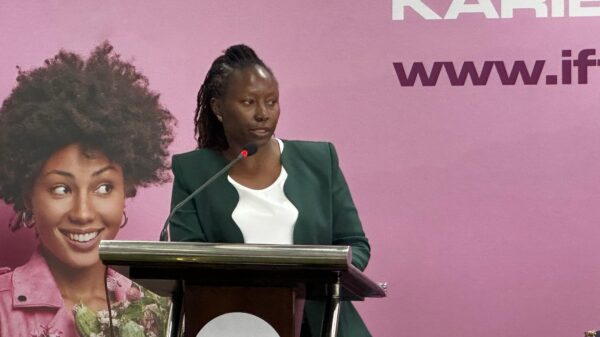
The conversation took centre stage during the Second Annual Penmanship Awards hosted by Text Book Centre in Nairobi, where publishers, authors, educators and booksellers pointed to changing consumer trends and rising investment in education as key opportunities for the industry.
Globally, publishing revenues are projected to grow on the back of educational publishing, children’s books and increasing demand for locally relevant content. In Africa, expanding literacy levels, urbanisation and a growing middle class are also boosting demand for books.
In Kenya, the sector expects further momentum from the government’s proposed Sh767 billion education budget for the 2026/27 financial year, which is expected to increase spending on schools, learning infrastructure and educational materials.
Industry stakeholders say the shift could create more opportunities for publishers, printers, retailers, authors and distributors within the broader education value chain.
Speaking during the event, Text Book Centre Chief Executive Sachin Varma said building a sustainable literary economy would require long-term investment in writers and publishing platforms.
“Each year we run the Penmanship Awards, we lower the barrier for one more writer who might otherwise never have known this platform existed. Each year, the network of people committed to Kenyan literary talent grows a little larger and a little stronger.”
“That compounding effect, small each year and significant over a decade, is exactly how ecosystems are built.”
Sector players also called for greater support for local storytelling and stronger partnerships between schools, publishers and authors to grow the country’s reading culture and reduce reliance on imported content.
University of Nairobi’s Miriam Maranga-Musonye said literature remains critical in preserving identity and supporting educational development.
“Literature serves as the basis for promoting and localizing storytelling.”
“Communities can see themselves, their histories, and their futures reflected in their literature.”
The event featured discussions on the economics of publishing, including how African authors can move manuscripts into commercially viable products through stronger distribution and retail networks.
Awards were presented across adult, children’s and teen categories, while veteran educationist Prof. Eddah Gachukia and the late Prof. Ngugi wa Thiong’o were recognised for their contribution to education and African literature.
The ceremony also highlighted emerging young writers, signalling growing efforts within the sector to cultivate future authors and expand Kenya’s literary market.