



























NAIROBI, Kenya, May 18 — Treasury Cabinet Secretary John Mbadi has warned that the ongoing transport sector paralysis triggered by soaring fuel prices risks deepening pressure on Kenya’s fragile economy, even as public outrage mounts over record pump prices.
Speaking on the Fixing the Nation show, Mbadi criticized the matatu strike which kicked off Monday, arguing that the industrial action could worsen economic conditions at a time when the government is already struggling to cushion consumers from rising global oil prices.
“We must debate and discuss soberly. The economy is going to be hit further, and when the economy is hit further, we have even fewer resources to subsidize prices,” Mbadi said.
“That kind of subsidy that people want becomes difficult. It is a catch-22 situation, and we must build consensus on stabilization measures instead of acting emotionally,” he added.
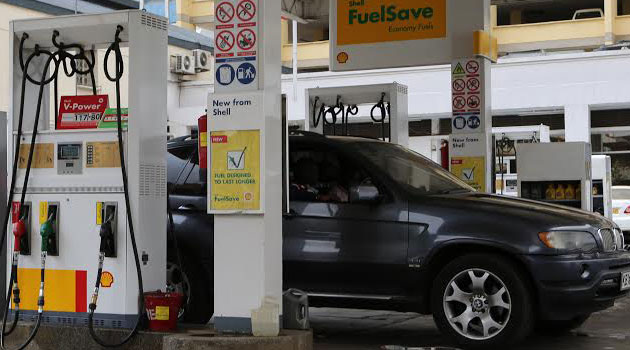
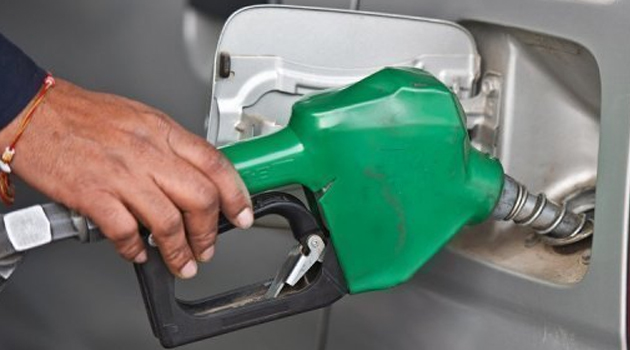
The remarks come days after the Energy and Petroleum Regulatory Authority (EPRA) announced another sharp increase in fuel prices for the May–June pricing cycle, pushing diesel to a historic high of Sh242.92 per litre in Nairobi, while super petrol rose to Sh214.25.
Diesel prices increased by Sh46.29 per litre, while petrol rose by Sh16.65.
KNCCI calls for review of fuel taxes and levies amid diesel price shock
The latest adjustments followed an earlier hike in April that had already pushed petrol prices up by Sh28.69 and diesel by Sh40.30 per litre, amid escalating global crude oil costs linked to tensions in the Middle East.
Mbadi defended the government’s response, saying authorities had already moved to cushion consumers through tax adjustments and stabilization mechanisms, including reducing VAT on petroleum products to 8 per cent and utilizing the Petroleum Development Levy to absorb part of the shock.
KNCCI warns fuel shock could cut MSME profit margins by 15pc
The Treasury CS attributed the fuel crisis largely to disruptions in global supply chains and higher freight costs following instability in oil-producing regions, noting that Kenya’s government-to-government fuel import arrangement had helped moderate the impact compared to neighbouring countries.
He dismissed claims that Kenya’s fuel prices are significantly higher than those in Uganda and Tanzania, arguing that regional comparisons often overlook stock cycles and market structures.
The sharp rise in fuel prices has triggered widespread concern among transport operators and manufacturers, with industry players warning of higher logistics costs, fare increases, and a fresh wave of inflationary pressure across the economy.