

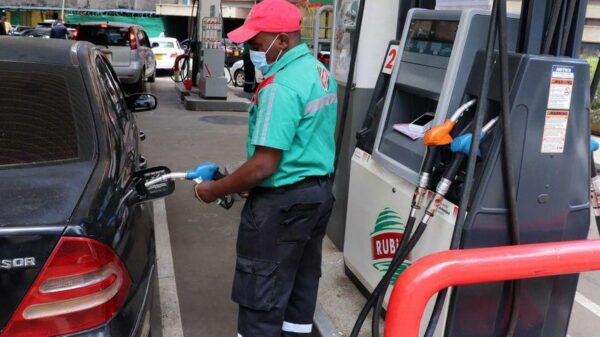



























NAIROBI, Kenya, May 11 – A majority of Kenyan families are struggling to sustain their livelihoods amid tough economic times that have eroded purchasing power and forced households to rethink spending, cut consumption, or seek additional income sources.
While some families have reduced expenditure to cope with rising prices, others have turned to side hustles to survive in an economy increasingly weighed down by inflationary pressures, especially in food, transport, and fuel.
At Toy Market in Nairobi, cloth vendor Evelyne Adhiambo says daily life has become unbearable as the cost of basic needs continues to rise, squeezing her business and household income.
She notes that essential food items such as tomatoes and onions have sharply increased in price, forcing her to reduce meal portions for her family.
“I used to buy one tomato at Sh5 a few months ago, but the same amount now retails at Sh15, which is triple the initial price,” Adhiambo says.
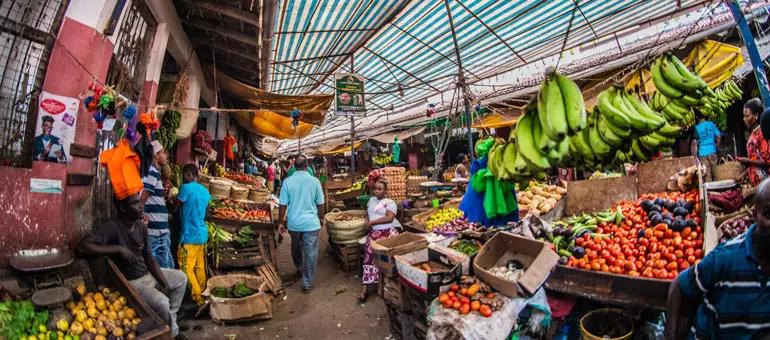
Her situation has been worsened by declining customer numbers at her stall, as many Kenyans also struggle with reduced incomes and rising living costs.
Her experience mirrors official data from the Kenya National Bureau of Statistics, which shows that Kenya’s annual inflation rose to 5.6 percent in April from 4.4 percent in March, driven largely by higher food, transport, and fuel costs.
The Consumer Price Index report indicates that food and non-alcoholic beverage prices rose by 8.8 percent, transport costs increased by 10 percent, while housing, electricity, gas, and other fuel costs rose by 2.4 percent.
The rise in inflation has been partly linked to global energy shocks following geopolitical tensions involving Iran, Israel, and the United States earlier this year, which disrupted global oil supply chains.
Kenya, which relies heavily on imported petroleum products from Gulf markets such as the United Arab Emirates and Saudi Arabia, has been directly exposed to the volatility.
The situation worsened after disruptions in key global shipping routes, including the Strait of Hormuz, which handles nearly 20 percent of global oil and gas shipments, pushing fuel prices higher.
This was reflected in May when the Energy and Petroleum Regulatory Authority increased pump prices despite an 8 percent VAT cut and a Sh6 billion fuel subsidy.
A litre of super petrol in Nairobi rose to Sh197.60, while diesel increased to Sh196.63, up from Sh178.28 and Sh166.54 respectively before the review.
For many households, the impact has been immediate and painful.
Adhiambo, a mother of two, says she has now been forced to start a side hustle selling food to fellow traders at the market to supplement her income, even though profit margins are shrinking.
“Besides my cloth business, I also sell food to colleagues at the market to survive, even though the margins are very low,” she says.
Jackson Kalendi, a boda boda rider operating in Kawangware, says the rising cost of fuel has severely reduced his daily earnings, making it difficult to meet family obligations.
He says he previously earned about Sh2,000 a day but can no longer achieve that due to higher fuel costs and reduced customer demand.
“My children are still at home because I cannot raise Sh20,000 for school fees and other needs like toiletries,” he says.
Kalendi has appealed to the regulator to consider lowering fuel prices in the upcoming monthly review to ease pressure on transport operators and households dependent on daily income.
However, relief may not be immediate. The Central Bank of Kenya has warned that inflation could peak at 6.2 percent in July 2026 if global oil prices remain elevated due to ongoing geopolitical tensions.
“However, with the oil price shock and assuming that the conflict lasts for the next three months, our inflation forecast goes above the midpoint of 5 percent, peaking at 6.2 percent in July 2026 and then progressively declining to 5.7 percent by March 2027,” CBK Governor Kamau Thugge said.
In Nairobi’s informal economy, Thomas Muli, a bead seller, says he has already cut down on household consumption, now struggling to provide even two meals a day instead of three.
He says the rising cost of basic goods has forced him to consider taking up another side hustle to sustain his family.
Across the country, such stories are becoming increasingly common, reflecting a broader shift in household behaviour as Kenyans adapt to sustained cost-of-living pressures by reducing consumption, diversifying income sources, and tightening budgets in an uncertain economic environment.