

























NAIROBI, Kenya, Apr 10 – The Competition Authority of Kenya has warned oil marketing companies against hoarding and anti-competitive practices as fuel shortages hit parts of the country.
The regulator said it is closely monitoring the sector following reports of selective supply and artificial scarcity, with motorists in towns such as Nairobi and Eldoret facing long queues and dry pumps despite assurances of adequate national stocks.
In a statement, the Authority cautioned that any attempts to distort competition through hoarding, discriminatory supply, or collusion would attract stiff penalties under the law.
“Agreements or decisions that have the objective and/or effect of preventing, distorting or lessening competition in the trade of any goods or services in Kenya may attract a financial penalty of up to 10 percent of the preceding year’s gross annual turnover in Kenya,” the Authority said.
It added that offenders risk up to five years in jail or fines of up to Sh10 million upon conviction.
The warning comes amid emerging supply strains in the downstream petroleum sector, with reports of stations rationing fuel or running dry altogether.
Even as Kenya Pipeline Company maintains that the country has sufficient fuel stocks in its depots, the gap between supply at terminals and availability at retail outlets has raised concerns over distribution practices.
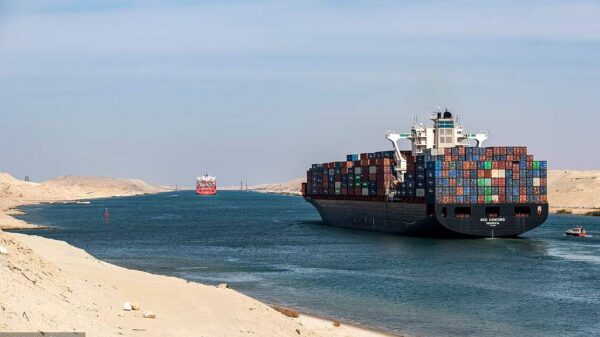
Industry players have partly blamed the situation on global disruptions, particularly tensions around the Strait of Hormuz, a key shipping route that handles a significant share of global oil flows.
Kenya’s reliance on imported fuel has further exposed it to such external shocks, even as domestic prices remain regulated by the Energy and Petroleum Regulatory Authority.
Spot checks have pointed to possible hoarding, with some retailers accused of withholding stocks in anticipation of higher margins, worsening shortages in areas such as Marigat.
The Competition Authority said it is working with EPRA under a joint framework to investigate the developments and take enforcement action where necessary, signaling increased scrutiny in the fuel market.