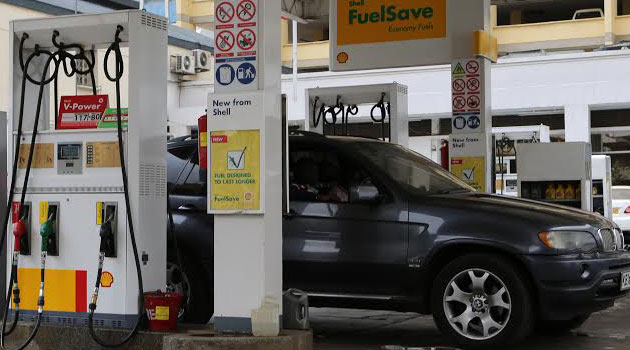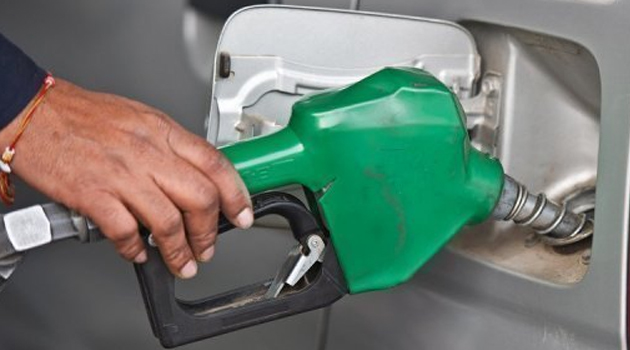




















NAIROBI, Kenya, Mar 24 – The Consumers Federation of Kenya (COFEK) has raised concerns over a proposed fuel compensation framework by the Energy and Petroleum Regulatory Authority (EPRA), warning that the plan could expose taxpayers to liability while sidelining consumers and retailers.
In a letter addressed to Energy Cabinet Secretary Opiyo Wandayi, COFEK questioned EPRA’s reported move to compensate Oil Marketing Companies (OMCs) with Sh11 per litre for excess fuel volumes imported during the March pricing cycle, citing the recent Middle East-driven spike in global crude prices.
“EPRA is not an extension of OMC’s committees. The critical omission: retailers and consumers are left entirely outside this compensation architecture.”
“From the outset, we oppose the said unholy alliance between the regulator in toto largely for the reason that EPRA is usurping a compensatory mandate it neither holds nor can it be competent to exercise fairly if it ever had it.”
The consumer lobby argues that the regulator’s approach risks breaching its statutory mandate under the Energy Act 2019, which requires it to balance industry stability with consumer protection.
By directing relief solely to upstream players, COFEK says EPRA may be acting outside its legal scope.
COFEK also flagged potential violations of the Public Finance Management Act 2012, warning that any compensation funded through public levies would require parliamentary approval.
The lobby cautioned that mid-cycle adjustments to fuel pricing could undermine the legally gazetted pricing window and trigger legal challenges.
On the economic front, the federation warned that the compensation risks becoming a “private sector windfall” if not tied to strict conditions preventing cost pass-through to consumers.
It argued that Kenya’s fuel demand remains largely inelastic, meaning consumers would still bear the burden through higher effective prices or supply distortions.
COFEK further highlighted the exclusion of petroleum retailers from the framework, noting that unchanged margins could expose them to working capital pressures and stock risks, potentially distorting competition in the downstream market.
The lobby has proposed a revised framework that includes capped and audited compensation for OMCs, liquidity support for retailers through institutions such as the Kenya Development Bank, and a binding commitment from EPRA to shield consumers from any resulting price increases.
It also called for parliamentary oversight of government-to-government fuel arrangements and greater transparency on deferred payment obligations.
COFEK is now demanding that EPRA withdraw the compensation proposal, warning that failure to incorporate consumer safeguards could render the framework “legally fragile” and economically unsustainable.