

























NAIROBI, Kenya, Feb 19 – Airtel Africa’s partnership with Starlink is aimed at expanding internet connectivity in underserved and remote areas, as the telco moves to address backhaul infrastructure challenges that have slowed rural network expansion.
The telco said it is leveraging satellite technology to deepen coverage across its footprint through a two-tier partnership with Starlink.
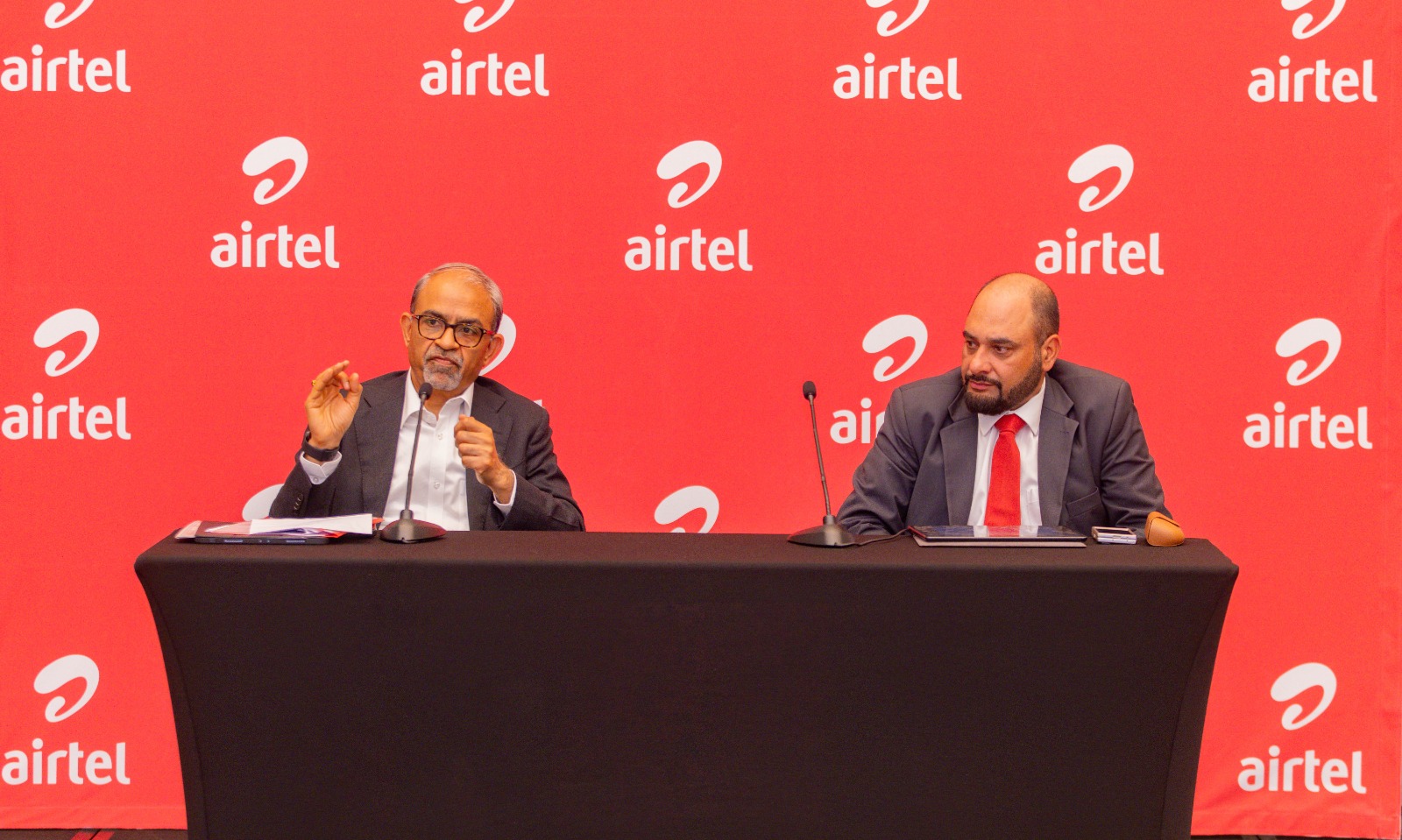
Airtel Africa Group Chief Executive Officer Sunil Taldar said the integration of satellite technology into the company’s mobile network is aimed at overcoming these structural limitations.
“A big challenge in expanding rural coverage is transmission or backhauling,” he said.
Under an agreement signed in May 2024, Airtel Africa began integrating Starlink’s satellite broadband capacity into its network to support remote base stations that are difficult to connect via fibre.
“What the agreement that we signed facilitates is carrying traffic from remote areas and bringing that traffic into a central location and then taking it into the international gateway,” Taldar explained.
The company says satellite backhaul reduces the need to lay fibre across vast, sparsely populated regions, shortens deployment timelines and improves service consistency in underserved counties.
A second agreement expands the collaboration to include next-generation direct-to-cell satellite connectivity. This will allow compatible smartphones to connect directly to low-Earth orbit satellites in areas without terrestrial network coverage.
Airtel Africa says the direct-to-cell service will be rolled out in phases beginning in 2026, initially supporting basic messaging and selected data services, subject to regulatory approvals.
The satellite-enabled services remain subject to approval by regulators in each of Airtel’s 14 markets, including Kenya, with discussions ongoing ahead of formal launch.