










NAIROBI, Kenya, Feb 6 – PAWA254 has launched a new research report examining how artivism is shaping Kenya’s socio-economic and political development, drawing attention to the growing influence of creative expression in civic engagement and governance.
The report, titled The Role of Artivism in Advancing Socio-Economic and Political Development in Kenya, was unveiled in Nairobi and brings together insights from the creative sector, civil society, policymakers and development partners.
It shows how artivism — the use of art as a form of activism — has helped shape public debate, amplify marginalised voices and engage communities that are often left out of formal political processes. The study also highlights challenges facing artivists, including limited policy support, funding gaps and increasing threats to artistic freedom.
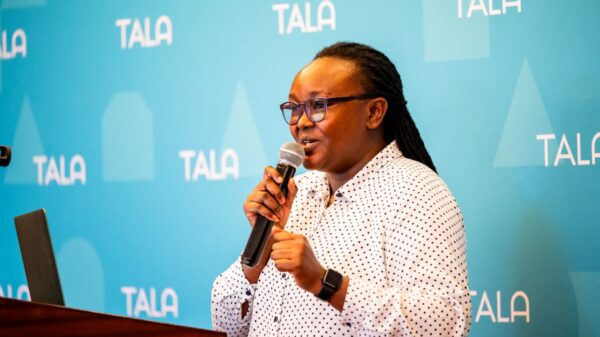
PAWA254 Executive Director Njeri Mwangi said creativity should be recognised as a form of civic power, not just artistic expression.
“Artivism is doing governance work long before policy arrives,” Mwangi said. “Creative expression often reaches communities that formal civic processes never do, yet despite its impact, artivism remains under-recognised, under-protected and under-funded.”
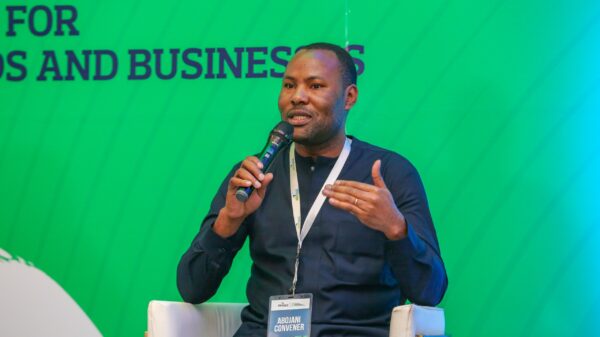
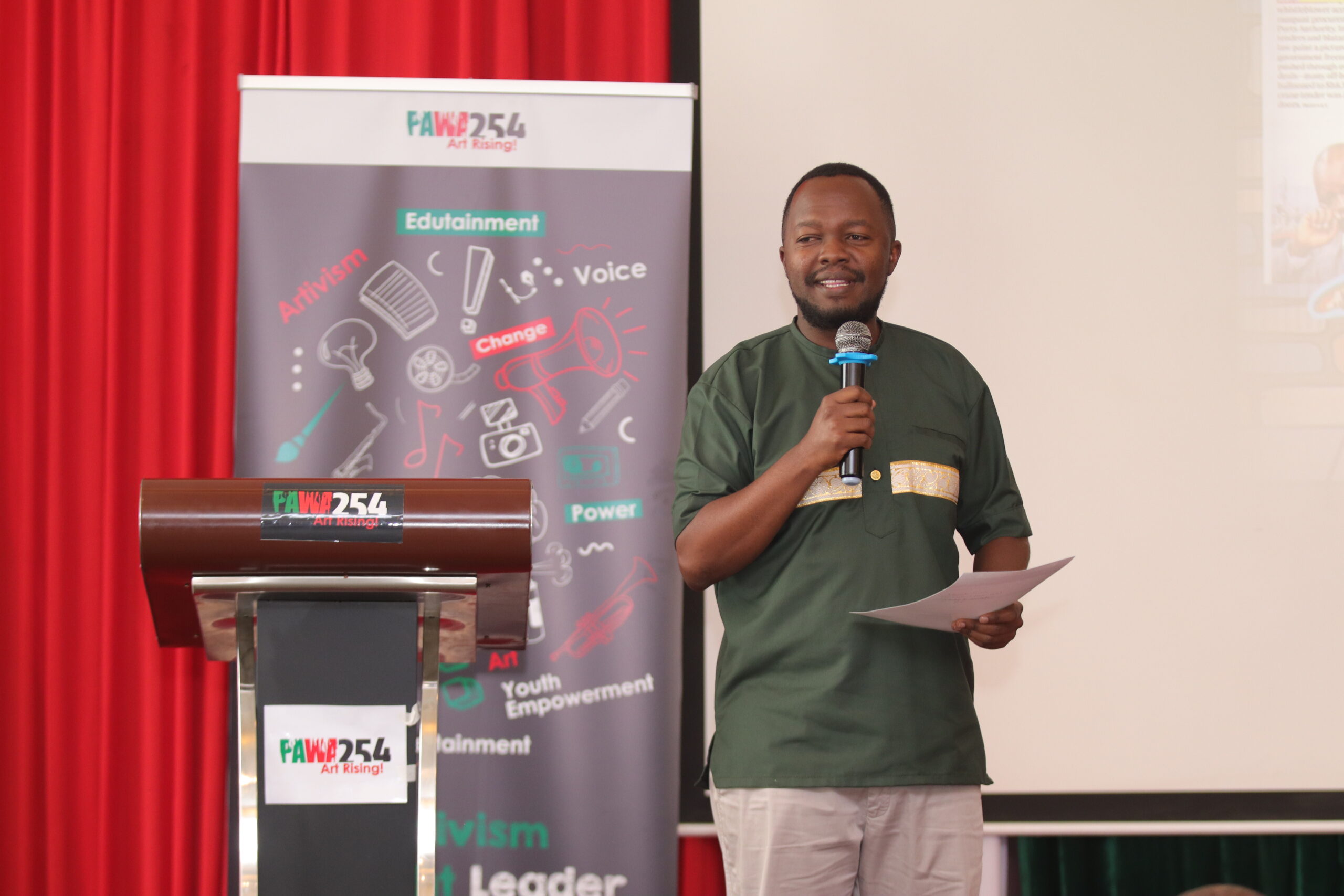
A panel discussion held during the launch explored the role of artivism in governance, digital civic engagement and inclusion of youth, women and persons with disabilities. Participants also discussed legal barriers and the sustainability of Kenya’s creative economy.
Boniface Mwali, a Project Manager at the British Council, said the report would be useful for both the arts and governance sectors.
“This will be a valuable guide, especially for those working to reach and empower young people through creative and civic spaces,” he said.
Senator Crystal Asige, a performing artist and disability rights advocate, urged creatives to actively shape national conversations.
“This is a pivotal moment for the country,” Asige said. “We need more creatives to use their voices and platforms to speak to the time, because artists inspire change and action in ways no one else can.”
The report recommends integrating artivism into national and county development plans, strengthening legal protections for creatives, expanding inclusive creative spaces and developing sustainable financing for the sector.
PAWA254 said the findings are meant to support dialogue and policy reform, and to position artivism as a legitimate driver of Kenya’s social, economic and political development.