


























THIKA, Kenya, Feb 24, 2026 – A locally developed surgical training tool is helping bridge Kenya’s women’s health care gap by strengthening minimally invasive surgery (MIS) skills among obstetricians and gynaecologists.
Kenya continues to face a significant surgical access challenge, with maternal mortality estimated at 355 deaths per 100,000 live births, according to the 2022 Kenya Demographic and Health Survey.
Specialist surgical expertise remains concentrated in urban centres, leaving many county facilities reliant on open surgery—often associated with longer recovery periods, higher infection risks and increased treatment costs.
The Hem Practice is seeking to address this gap through a structured training model anchored on the locally developed Endo Bora Pelvic Trainer, a portable simulation device designed to enable consistent home-based laparoscopic practice.
“This is not just training. It is a deliberate effort to make minimally invasive surgery the norm and not the exception in Kenya,” said Faith Wanjeri, Co-Founder of The Hem Practice.
The organisation marked the graduation of Cohort 2 of its Stitch & Knot Laparoscopic Suturing Programme, an eight-week structured skills initiative targeting Ob/Gyns and registrars.
Participants commit to at least 30 minutes of daily practice using the portable trainer, with measurable progress tracking and competency assessments.
Cohort 2 recorded 80 percent female participation, up from 70 percent in Cohort 1, reflecting an intentional focus on strengthening female surgical leadership in a field historically dominated by men.
“When doctors practice consistently at home level, competence increases and outcomes improve. This reduces costs and strengthens confidence in theatre,” Wanjeri added.
Graduates from earlier cohorts have reported significant gains in skill levels, with some improving competency scores from 44 percent to over 80 percent within one programme cycle.
Board Chair Stephen Mwatha said the broader goal is system-wide transformation. “When these skills are shared across hospitals, minimally invasive surgery becomes mainstream. That saves lives and reduces costs at a community level.”
The initiative is complemented by service delivery programmes such as Lap on Wheels, which deploy surgical teams to support county facilities and expand access beyond major cities.
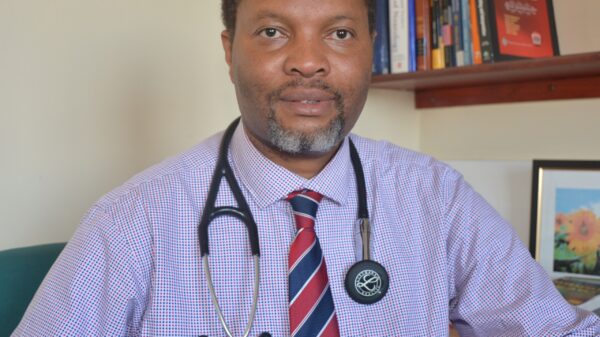
Dr Dennis Mureithi, who led development of the Endo Bora Pelvic Trainer, said the device was refined over three years to suit local training realities. “The long-term vision is for laparoscopy to become a common skill before doctors leave medical college,” he said.
Cohort 2 concluded with a surgical camp at Maryhelp Hospital, where 11 participants applied their skills in a live clinical setting.
As Kenya seeks to address uneven surgical access, structured simulation, disciplined practice and mentorship are emerging as practical tools to strengthen women’s health outcomes, particularly in rural and peri-urban communities.