



















FEB 27 – Twitter co-founder Jack Dorsey says his technology firm Block is laying off almost half its workforce because artificial intelligence (AI) “fundamentally changes what it means to build and run a company.”
“Within the next year, I believe the majority of companies will reach the same conclusion and make similar structural changes,” he wrote in a letter to shareholders.
The layoffs will mean headcount at the company – which owns Square, CashApp and Tidal – will fall to less than 6,000 from 10,000.
Block has seen several rounds of layoffs since 2024 but this is the first time it has cited AI as the reason for redundancies and marks the latest in a series of major job cuts in the tech industry.
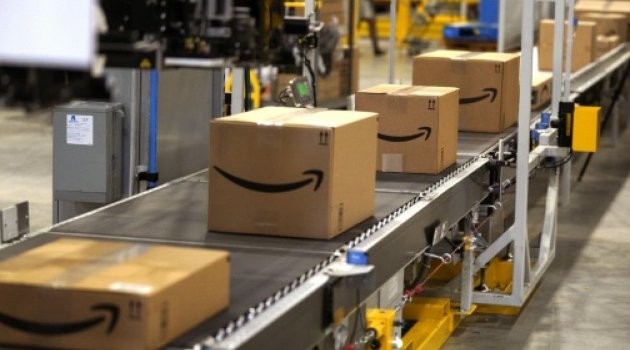
At the end of January Amazon laid off 16,000 employees, having already cut 14,000 roles a few months earlier.
In a subsequent call discussing financial results, Brian Olsavsky, Amazon’s chief financial officer, said the company was looking at cost reductions elsewhere as it ramps up AI spending.
Meta, Microsoft and Google have also laid off workers as their focus has shifted to huge investments in AI.
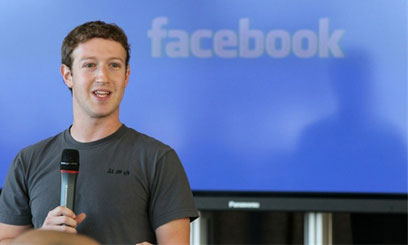
Mark Zuckerberg, Meta’s co-founder and chief executive, said he is expecting “2026 to be the year that AI dramatically changes the way we work.”
“We’re starting to see projects that used to take big teams now be accomplished by a single, very talented person,” Zuckerberg said.
Most tech companies today are using AI tools that automatically write the computer code required to operate software or websites, like Claude Code from Anthropic or Codex from OpenAI.
Such automation of what has for decades been work done by highly trained people has led to fears that AI will overturn the job market.
But some analysts have suggested the immediate threat to jobs has been exaggerated by executives who want to appear ahead of the curve.
According to Dorsey, only more change related to AI capabilities is on the way.
“I don’t think we’re early to this realisation,” he said Thursday. “I think most companies are late”.
Block’s financial report showed strong demand for its products and services, pushing up profits at the end of last year.
The firm also said it will incur up to $500m (£370m) in restructuring costs as it pivots to the new strategy.
Its shares rose by more than 20% in extended trading after the announcement.
Dorsey is a co-founder and former chief executive of Twitter, the online micro-messaging platform that was later bought by Elon Musk and renamed X.
By BBC