













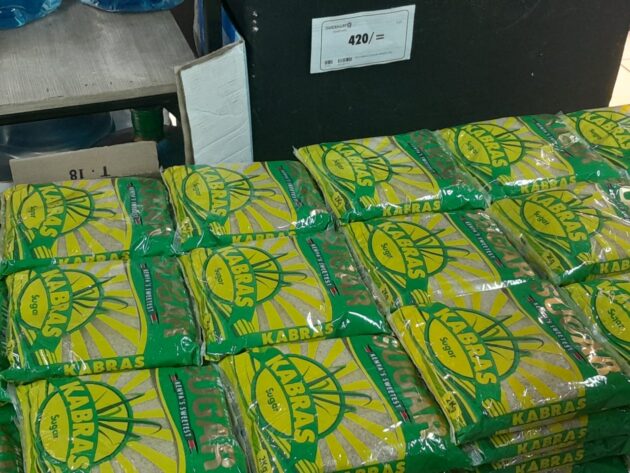

NAIROBI, Kenya, Jan 4 – Kenya has opened its sugar market to regional competition following the expiry of the COMESA Sugar Safeguard on November 30, 2025, ending 24 years of controlled imports and tariff protection for local producers.
The expiry allows duty-free sugar imports from COMESA countries, increasing competition for domestic millers as the country continues to run a production deficit.
Kenya’s annual sugar demand stands at about 1.1 million metric tonnes, while domestic output has risen to 815,454 metric tonnes, leaving a supply gap of nearly 300,000 metric tonnes that will continue to be met through imports.
Industry data shows sugarcane acreage expanded by 19.4 per cent to 289,631 hectares, contributing to a 76 per cent increase in production since 2022. However, several mills are still undergoing rehabilitation and capacity expansion following the leasing of former state-owned factories to private operators.
The Kenya Sugar Board (KSB) said imports will be sourced from both COMESA and non-COMESA markets to stabilise supply and prices, citing unpredictable surplus availability within the region.
Analysts say the end of the safeguard is likely to put downward pressure on domestic sugar prices, while intensifying competition for local millers that are yet to fully optimise operations.
The sector also faces climatic risks, with expected dry spells likely to affect cane yields in the short term, potentially widening the supply gap.
Kenya first sought the safeguard in 2001 under the COMESA Free Trade Area to allow time for sector reforms. The protection was extended eight times, subject to performance benchmarks monitored by the COMESA Council of Ministers.
Regulators say oversight of imports and market coordination will continue as the sector adjusts to an open regional trading environment.