



















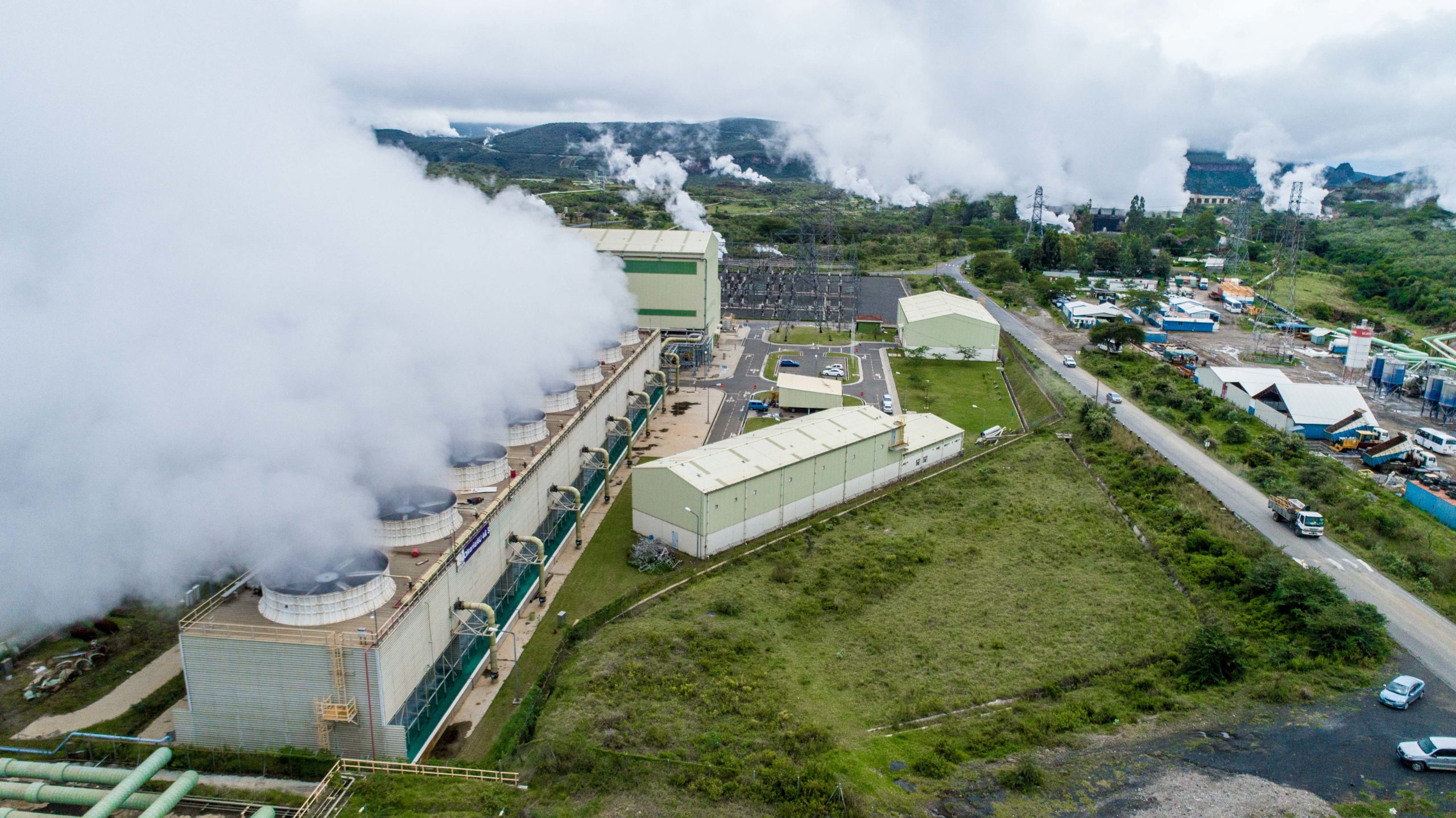

NAIROBI, Kenya, Nov 27 – The government’s dominant stake in the Kenya Electricity Generating Company (KenGen) is distorting competition and discouraging private investment in the power sector, a new World Bank–Competition Authority of Kenya (CAK) report warns.
The report says the State’s 70 percent ownership leaves KenGen exposed to political directives that prioritise public policy goals over commercial performance, giving the firm an unfair advantage over private generators that must meet stricter financial and operational benchmarks.
“As an entity with 70 percent state ownership, KenGen may be directed by policymakers to act toward public policy goals rather than commercial interests… allowing it to crowd out private competitors,” the report states, adding that operational independence across the sector is further weakened by shared board members and state-appointed officials serving in multiple energy agencies.
The assessment also highlights entrenched monopolies – KETRACO in transmission and Kenya Power (KPLC) in distribution – as major barriers to private participation. With no clear open-access rules, all users must rely on state-controlled infrastructure, a factor the report links to Kenya’s unusually high electricity costs.
Although electricity access stands at 76 percent – ahead of most regional peers – Kenyan households pay an average of $0.26 per kilowatt-hour, far higher than Uganda ($0.17), Tanzania ($0.09), South Africa ($0.12) and Ethiopia ($0.006), according to a 2025 Parliamentary Budget Office analysis.
The report calls for reforms to strengthen open-access rules, reinforce operational independence and create a level playing field that can attract private capital, reduce inefficiencies and ultimately lower tariffs for consumers.