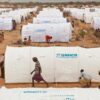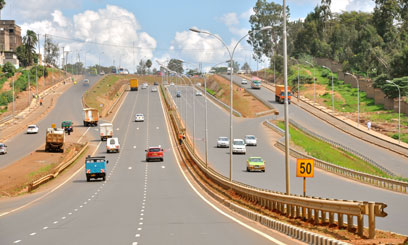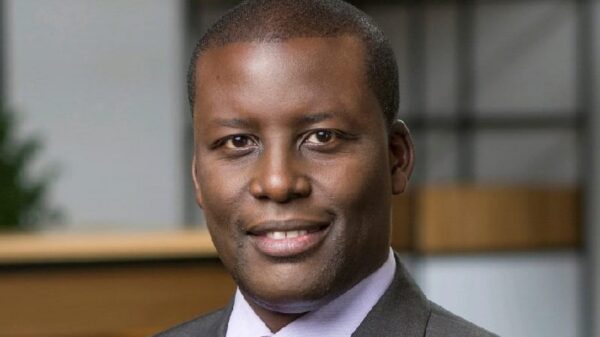
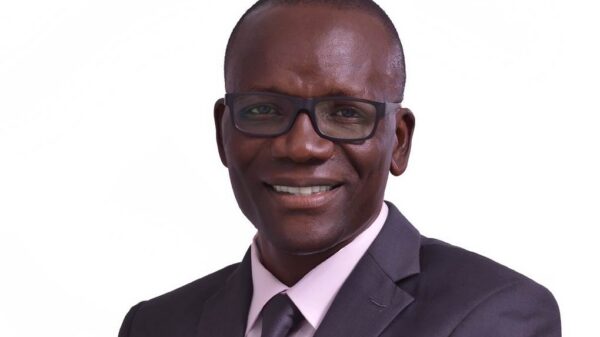


















NAIROBI, Kenya, Nov 9 – Deputy President Kithure Kindiki has called on the United Nations to strengthen its support for climate resilience initiatives targeting the urban poor, especially those living in informal settlements that are increasingly exposed to the devastating effects of climate change.
Speaking on behalf of President William Ruto during the Leaders’ Summit ahead of the 30th Session of the Conference of Parties (COP 30) of the United Nations Framework Convention on Climate Change (UNFCCC), Kindiki underscored Kenya’s commitment to advancing the Building Climate Resilience with the Urban Poor (BCRUP) Programme.
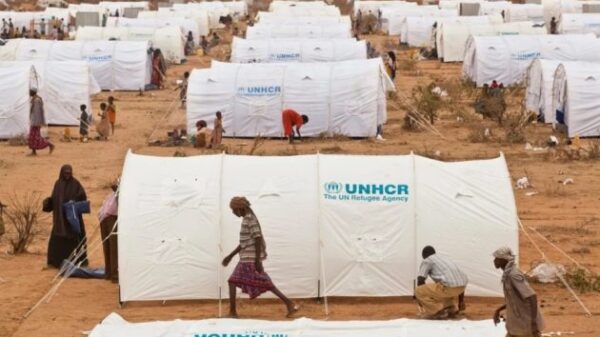
The UN-led initiative seeks to enhance the resilience of vulnerable urban populations by addressing the risks posed by floods, droughts, heatwaves, violent winds and landslides.
It also tackles underlying vulnerabilities such as poverty, weak infrastructure, and governance gaps that worsen the impacts of climate-related disasters.
Kenya and Brazil are co-leading the global programme, which was first launched by President Ruto during the 2023 African Climate Summit in Nairobi.

Its implementation plan was later unveiled at COP 28 in Dubai the same year, setting in motion a comprehensive framework to build urban resilience across developing nations.
In engagements with the UN Climate Action Team, UN-Habitat, and the UNFCCC Secretariat, Kindiki sought the UN’s backing in several key areas.
These include strengthening the role of UN agencies in delivering community-level adaptation solutions, enhancing Kenya’s capacity to report periodically to the UN General Assembly and championing a General Assembly resolution on climate resilience for the urban poor.
He further urged that the principles of the BCRUP initiative be integrated into the outcome documents of COP 30 and called for prioritization of financing, technology transfer, and capacity building to sustain adaptation programmes for the urban poor.
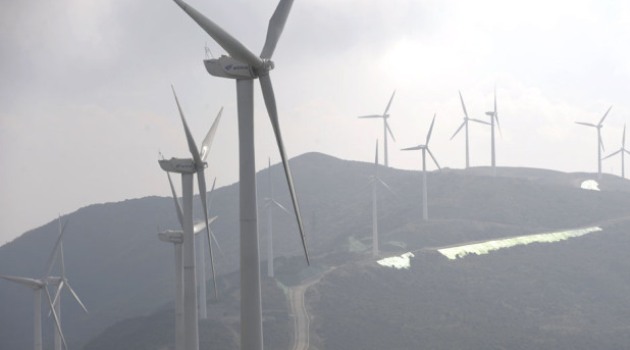
“The devastating effects of climate change continue to ravage our planet,” the Deputy President said, adding that Africa holds the key to the global green transition due to its vast renewable energy potential, rich critical minerals and a youthful demographic capable of driving the next phase of sustainable industrialization.
Kindiki noted that the continent’s potential will only be realized if climate financing pledges are fulfilled, the global financial architecture is reformed to make capital more affordable for developing nations and policies are revised to integrate the empowerment of women, youth, and farmers.
He emphasized that equitable access to the benefits of the green economy must remain a priority across communities, gender, and generations.
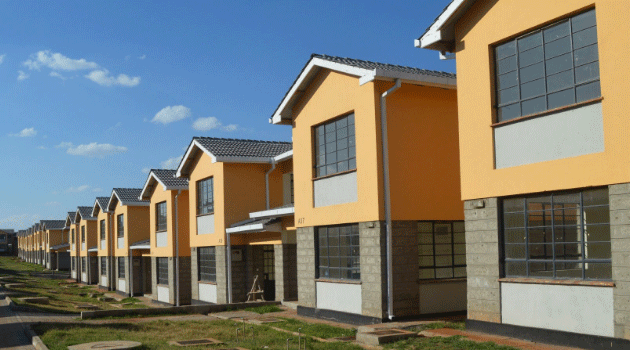
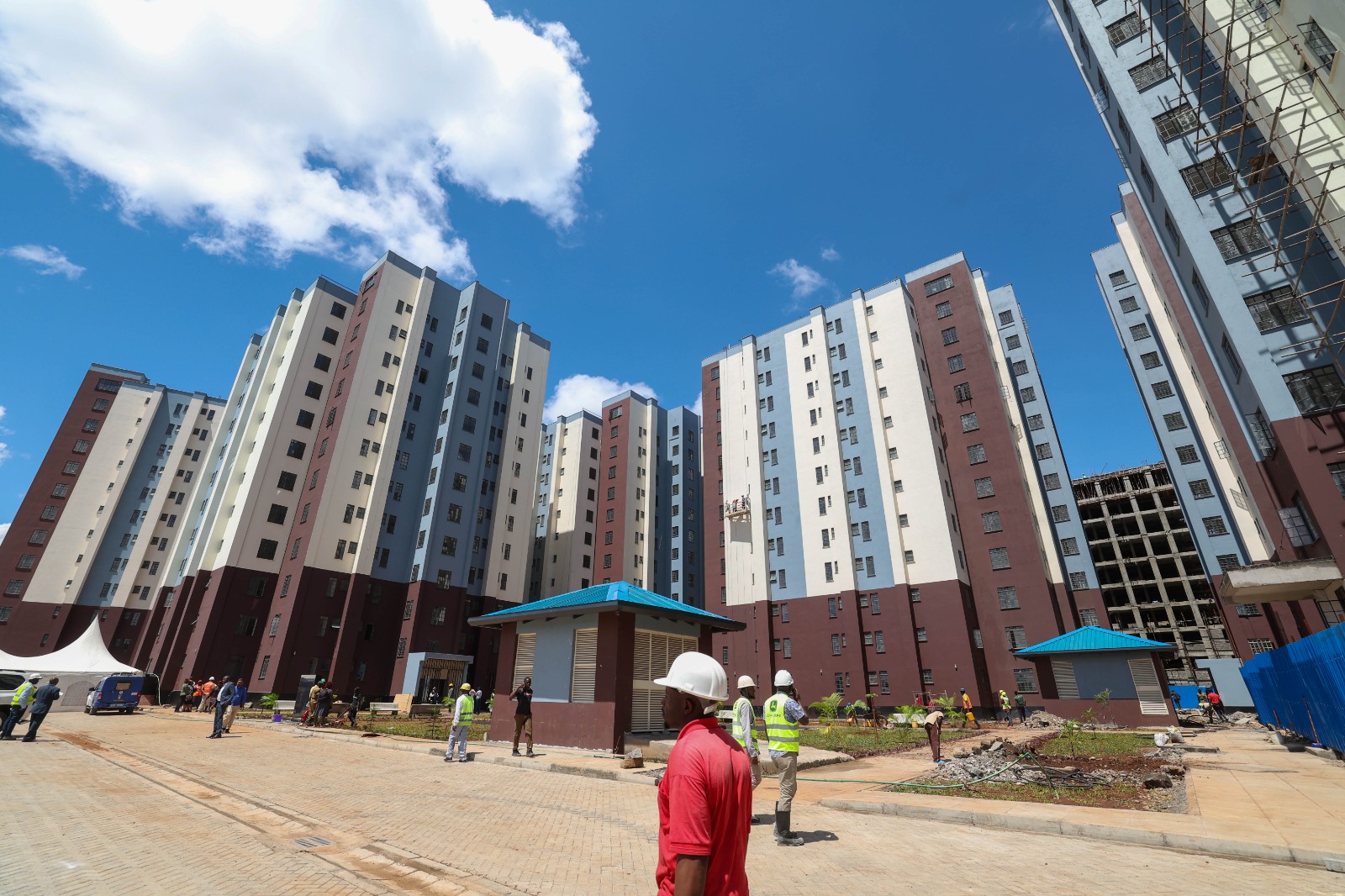
The UN agencies lauded Kenya’s Social Housing Programme for the urban poor in Nairobi and the Nairobi Rivers Regeneration Programme, describing them as among the most consequential measures ever undertaken in the Global South to create climate resilience using locally generated resources.
Kindiki reaffirmed Kenya’s resolve to ensure that climate action efforts remain inclusive and community-driven, positioning the country as a global model in advancing resilience for the most vulnerable urban populations.