









Study shows impact of exotic species invasion due to farming - Capital Business
Connect with us

Hi, what are you looking for?

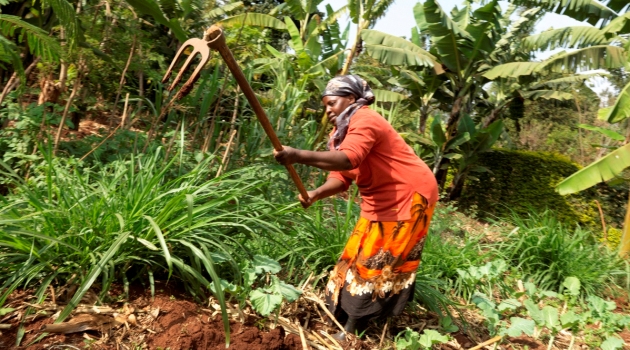
Ecological farming combines local farmers' knowledge with scientific findings to create technologies and practices that increase yields without negatively impacting the environment/Greenpeace/ ICE

Agriculture

Study shows impact of exotic species invasion due to farming

WELLINGTON, Sept. 9 (Xinhua) — Farming at the edges of nature reserves is facilitating invasions by exotic plants, according to a study published on Monday.

The study found that exotic plants are invading native shrubland reserves in the Canterbury Plains of New Zealand’s South Island, which are being sped along by nutrient and water spillover from adjacent intensive agriculture.

Researchers from Landcare Research found spillover of water and nitrogen enrichment, which is likely from animal effluent, 10 meters inside reserve boundaries, allows exotics to outcompete natives up to 40 meters inside the boundary.

The study published in the New Zealand Journal of Ecology called for future reserves to be made larger from the start, as some small reserves are only 100 meters wide.

“These distances are significant as some of these reserves are only 100 m across, meaning that more than 60 percent of these reserves can be affected,” said co-author Gretchen Brownstein, adding that irrigation and effluent buffers around these reserves would help to limit further degradation of these reserves.

Native shrublands were once common across the Canterbury Plains, but over time, conversion of land to other uses including irrigated pasture has contributed to their gradual decline, said the researchers.

Co-author Adrian Monks said the ongoing effects of more intensive land use adjacent to the reserves could be managed with better rules around buffers.


Visited 19 times, 1 visit(s) today

More on Capital Business

Kenya

The Logistics Study Report by the Kenya Association of Manufacturers, an umbrella body for industrialists in Kenya, revealed that logistics costs for intra-African trade...

Kenya

In the half-year ending December 2025, the region accounted for 44.24 percent of the country’s total energy use, according to EPRA's 2025/26 Biannual Energy...

World

The study found that noise pollution penetrates deep into natural areas, including protected zones, and that dense vegetation can sometimes carry noise farther than...

Kenya

NAIROBI, Kenya, Mar 17 – Weak healthcare systems, funding gaps and drug shortages are undermining efforts to manage hypertension in Kilifi County, a study...

Kenya

Kenya consumes about 600,000 metric tonnes of edible oil annually, with over 90–95 percent imported, according to government data.

Kenya

National Assembly Majority Leader and sponsor of the Bill Kimani Ichung’wah says the Bill “will unlock funding for development and fix long-standing infrastructure problems.”

World

As much as 94 percent of new tariffs in the first eight months of 2025 was absorbed by U.S. importers and consumers, according to...

Government

The increase is largely driven by higher recurrent expenditure, which is set to rise to Sh3.5 trillion from Sh3.3 trillion. Development spending is also...