


















NAIROBI, Kenya, Feb 23 – Kenya Power and Lighting Company’s (KPLC’s) profit after tax improved to Sh319 million in the six months ending December 2023, reversing a loss of Sh1.1 billion during a similar period in 2022.
The utility firm attributes better earnings to increased electricity sales and the implementation of a cost-reflective tariff.
Kenya Power Managing Director and CEO Joseph Siror revealed that revenue earnings from electricity sales also grew by 31 percent to Sh113.6 billion.
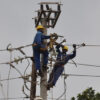
In this period, the power company launched the deployment of a Rapid Results Initiative (RRI) to fast-track meter installation for new connections across the country to drive customer connectivity and grow electricity sales.
“I am glad to note that our sales growth was driven by our deliberate effort to grow our customer numbers, having surpassed our connectivity target for the half year period by 13.87 percent with a total of 225,000 new customers connected to the grid,” said Siror.
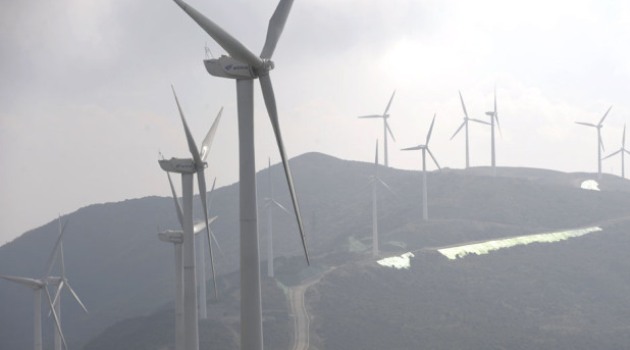
Over the period, there was a 240 gigawatt-hour (GWh) increase in electricity units purchased and dispatched from renewable energy sources, driven by increased uptake of energy from renewable sources.
The firm, however, noted that consumption of thermal generation decreased by 93GWh from 650GWh in the same period in 2022 to 557GWh leading to a Sh2.05 billion reduction in fuel cost charge on customer bills.
Finance costs also increased by Sh7.6 billion due to unrealized foreign exchange losses on loan revaluations caused by the depreciation of the Kenyan shilling against major foreign currencies in the market.
Foreign currency-denominated loans account for 90 percent of the company’s loan.
“We are happy to note that the Shilling is gaining against the Dollar and other major currencies in the current period. We hope that this positive trend continues in the remaining part of the year to ease our forex exposure and enable us to finish the year at a stronger financial position,” added Siror.
Additionally, operating costs increased by Sh1.7 billion during the period under review to Sh19.7 billion, driven by the higher electricity wheeling charges as provided in the cost-reflective electricity tariff and increase in depreciation.
“While we are keen to onboard new customers, our immediate focus is to enhance customer experience. Therefore, in the period ahead, we will step up our investments in the network to fortify its reliability,” he stated.