


















MT ELGON, Kenya, Feb 21 – The Government of Kenya in collaboration with the International Fund for Agricultural Development (IFAD) and Heifer International have invested Sh11.8 billion ($93.5 million) in the livestock sector to boost production.
The fund will be used to finance projects that will be implemented by the Kenya Livestock Commercialization Project (KeLCoP).
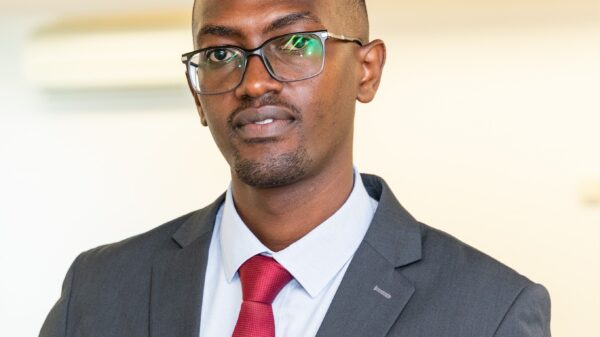
Speaking at Kaboywo location in Kaptama Ward of Mt Elgon Sub County, Bungoma County Director of Livestock Production Bishar Elmi said the six years’ project covers 10 counties including Bungoma, Elgeyo Marakwet, Baringo, Marsabit, Samburu, Busia, Kakamega, Siaya, Nakuru and Trans Nzoia.
Elmi who led a team of donor representatives on a project validation exercise in Mt. Elgon said that the project that commenced on March 5, 2021 is expected to come to a closure on September 30, 2027 with major goal being contribution to the government ‘s transformation agenda of increasing rural small-scale farmer incomes, food and nutrition security.
The Director said that the project will support three components including climate-smart production enhancement for small livestock, livestock market development and project management and coordination.
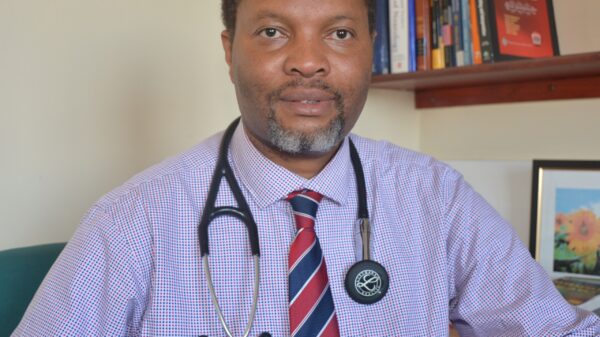
According to the National Project Coordinator Moses Kebe, the project focuses on those value chains that can provide productive employment and food security opportunities for women, youth and marginalized segments of the population who keep small ruminants (sheep, goats for meat and dairy goats) and locally improved chicken and beekeeping.
Kebe noted that the target groups include very vulnerable, ultra-poor, mostly women-headed households, pastoralist and agro-pastoralist households, commercially oriented pastoralist and agro-pastoralist households and young women and men involved in the production and entrepreneurial activity at critical points in the value chain.
He noted that he project is also engaging value chain drivers such as farmers who have the resources to function as breeders of livestock, traders, retailers, wholesalers, private sector companies, transporters, and private agro-input suppliers.
The National Coordinator noted that KeLCoP strongly focuses on including women and youth, marginalized tribes and persons with disabilities.
Elmi said that the project will directly benefit 110,000 households with a total number of 495,000 people.
From the actual direct beneficiaries, women and youth beneficiaries will be 54 percent and 30 percent, respectively and minimum of 5 percent of beneficiaries will be from vulnerable groups (marginalized tribes, persons with disabilities and persons with HIV).
The beneficiaries of targeted nutrition make up 30 percent of the total households reached.
The Director said there was an expectation that the project will enhance poor rural people’s production capacity, strengthen the environmental sustainability and climate resilience of poor rural people’s economic activities, and enhance poor rural people’s benefit from market participation.
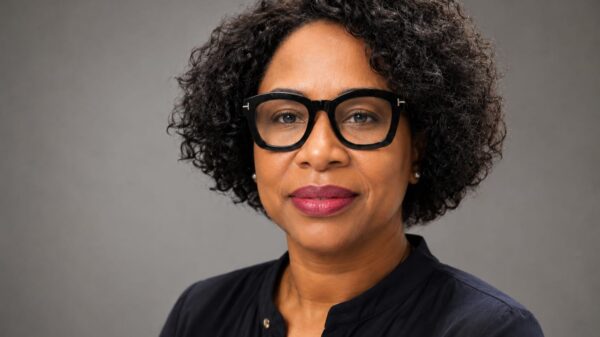
According to IFAD Country Director Mariatu Kamara, the fight against hunger can only be won in partnership with governments and other non-government actors.
She noted that eradicating hunger is about joining forces to scale up successful programs/projects and linking actions for better results.
“An exceptional level of collaboration between partners is needed to develop the initiatives necessary to transform agricultural production and meet future food and employment demands,” Kamara said.
She said that partnerships generate potential for cost savings and economies of scale, as well as for broadening the scope of technical work and expertise and influencing policy at a far greater scale than would be possible by working alone.
Mt. Elgon Sub County Project Coordinator Jack Ndiema said farmers have already been trained and his office has already formed a technician implementation team at both the ward and the sub county level.
Ndiema said that he will work with small-scale producers, helping them increase their production and productivity and linking them to value chains and functioning markets.
He noted that in Kaptama ward, a total of 7021 households are expected to benefit directly through the project.
The Coordinator noted that the aim of the team to come to engage farmers directly was to embrace the bottom up economic model of not deciding for the farmer but to engage the farmer to get his view from ground then to the ward committee then sub county, county and eventually to the national committee.