


























NAIROBI,Kenya, June 16 – The Russia-Ukraine conflict has disrupted the supply of wheat, maize, fertilizer and oil seeds in Kenya, leading to a sharp rise in prices of the commodities and aggravating the hunger situation, the Food and Agriculture Authority (AFA) said in a situational report on Thursday.
The AFA noted that Kenya imported oil seeds worth 1 billion shillings (about 8.5 million U.S. dollars) from Ukraine in 2021 and from Russia maize worth 8.5 million dollars and wheat worth 136 million dollars, supplies that have been disrupted by the conflict.
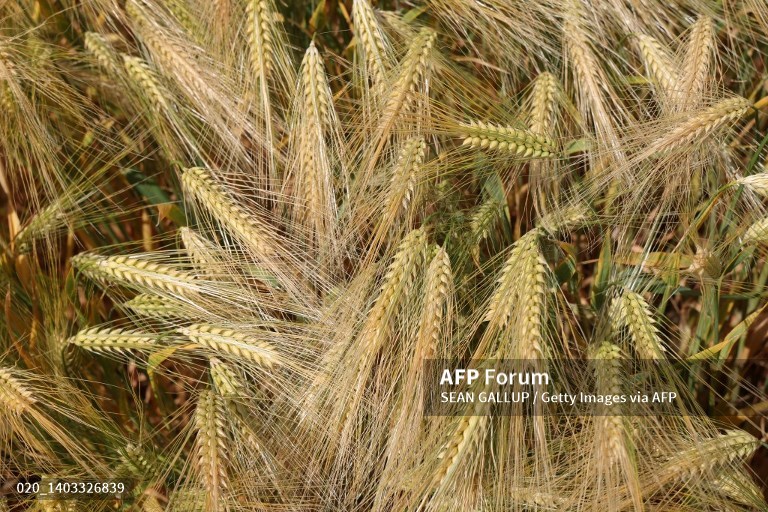
“The country suffers an acute wheat shortage after Russia suspended exports of some agricultural commodities, including wheat. With the reduction in the quantity of wheat imported into the country due to the conflict, wheat prices have more than doubled,” said the AFA.
The government agency noted that Kenya depends on oilseed imports from the two countries, particularly from Ukraine.
“One of the key oilseeds imported is sunflower seeds, that makes sunflower oil. Kenyan households have been severely affected by the high oil prices that have nearly tripled due to supply chain disruption of this commodity,” said the agency, adding fertilizer prices have equally increased in Kenya due to shortage making farmers plant without the input.
The impacts of the conflict, according to the AFA, are expected to severely decrease local agricultural production and is expected to increase food insecurity in Kenya, where some 4.1 million people are facing hunger due to prolonged drought.