

























By Dr. Monica Nderitu and Samuel Rono
NAIROBI, Kenya June 8-The Paris Agreement envisions a long-term goal to limit the global temperatures to well below 2 °C preferably to 1.5 °C compared to pre-industrial levels. However, this ambition is dwindling; the net anthropogenic greenhouse gases (GHG) emissions and climate destruction continue to rise as witnessed during COP 26. However, all is not lost as the world economies continue to search for solutions to the climate crisis, but more priority, investment, and concrete actions are urgently required.
Most countries have reviewed their Nationally Determined Contribution (NDC), reflecting their intentions to mitigate further climate change. Kenya, for example, shared her enhanced NDC with the ambition to cut her GHG emissions by 32% relative to the business-as-usual scenario (BAU) by the year 2030.
Several sectors, such as energy, transport, forestry, and agriculture, have been earmarked for purposeful reduction of emissions. Energy takes the lead with an ambition to cut GHGs emissions by 48.1%. This means that a lot must be done to reduce overdependence on fossil and biomass fuels in all sectors, including rural areas.
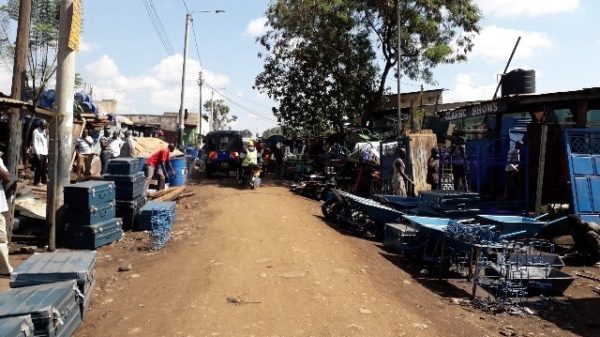
Development in most rural areas in the country, especially in the energy sector, lags as these areas are not given equal consideration with the urban areas.They have low commercial energy uptake and utilisation to make a business case for the transmission and distribution investment required.
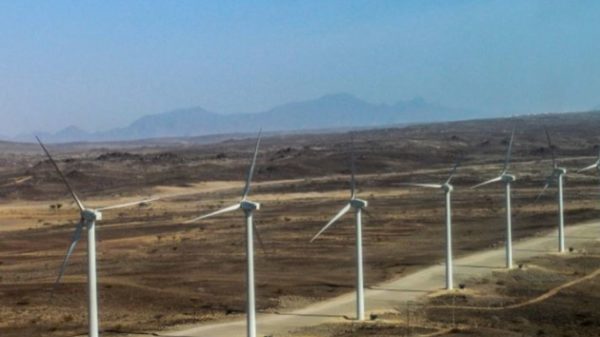
In Kenya for instance, ninety percent (90%) of the rural population depend on firewood for their energy needs. This causes massive destruction to the environment as many trees are felled, contributing to desertification, soil degradation and biodiversity loss. It also contributes to pollution and health complications such as carbon-related respiratory diseases. Therefore, the development of renewable energy resources in rural areas becomes a key component in the achievement of the environmental sustainability agenda of the country and the effective implementation of the global multilateral environmental agreements. It is also crucial in reducing extreme poverty because community members, including the smallholder farmers, can engage in micro-processing of their agricultural produce for better storage and better prices in the market. Availability of renewable energies also means that women’s workload is eased, and time spent fetching firewood can be put to other development sectors.
To accelerate the much-needed reforms towards achieving carbon neutrality in the country, the government should ensure that rural policies go beyond just agricultural production to include energy use in the households, transportation, micro-processing, etc. A just transition to a net-zero economy in the rural areas should also be encouraged, looking into all parameters, including communities’ awareness, local vulnerabilities and capacities, and availability of adaptation funding.
In the budgetary allocation for 2022/23, the Government of Kenya has allocated a substantial amount to the production of reliable and affordable energy in the country but with no clear indication of how much is allocated towards rural sustainable energy supply. Domestic financing is not enough to be able to implement the NDCs and ensure the just transition to renewable energy. Kenya depends on international support. The support required is inform of finance, investment, technology development and transfer, and capacity-building to fully realize the NDCs.
Kenya estimated that over USD 62 billion is required for the implementation of mitigation and adaptation measures across sectors yet, it can only mobilise thirteen (13) percent of the total cost. This shows a deficit of 87 percent. The current level of international climate financing, both public and private, is insufficient; in fact, the latest IPCC report shows that current climate finance is 3-6 times lower than what is needed to stay within the 1.5-degree target.
Similarly, developing nations continue to experience severe impacts of climate change, particularly women, children, youth and marginalised communities. Focus on strengthening their resilience is very important. International financial support should also prioritise support to developing nations to mitigate and adapt to the effects of climate change and transition to green energy solutions.