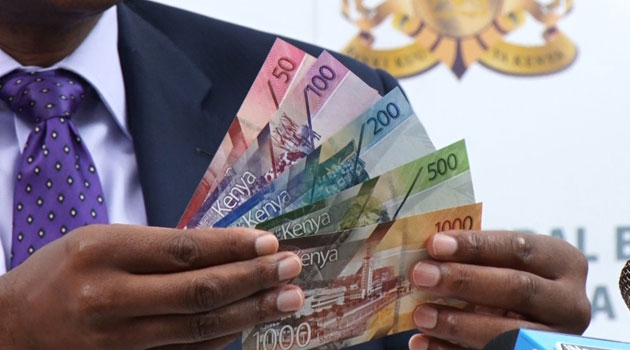







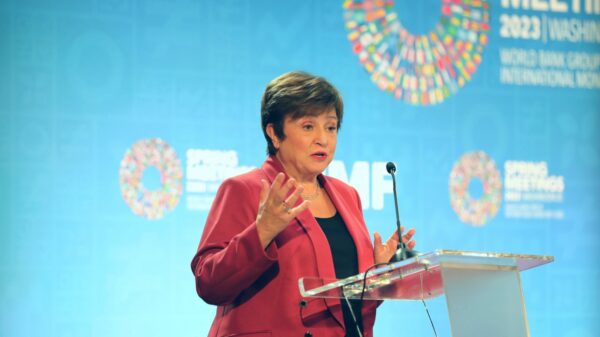












NAIROBI, Kenya, April 17 – The International Monetary Fund (IMF) has downgraded Kenya’s economic growth forecast for 2026 to 4.5 percent from an earlier projection of 4.9 percent, citing rising inflation and global uncertainties.
The IMF attributes the revised outlook to expected inflationary pressures, higher fuel costs, weakening tourism performance, and rising input costs such as fertiliser.
Kenya has been significantly affected by the ongoing Middle East conflict involving Iran, the United States and Israel, which has disrupted global oil supply chains. The tensions have impacted shipments through the Strait of Hormuz, a key route that handles about 20 percent of global oil and gas flows.
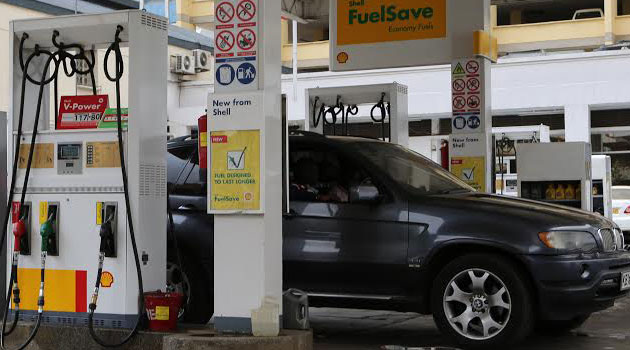
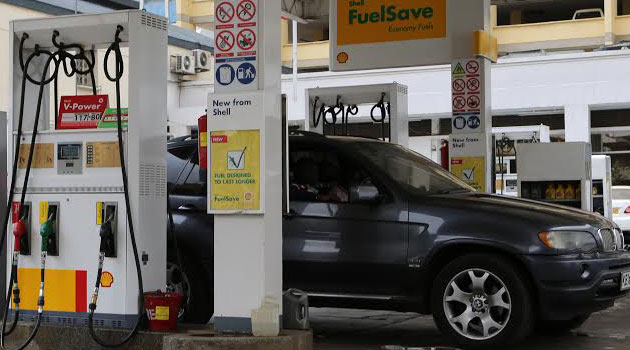
The disruption has pushed up local fuel prices following a recent review by the Energy and Petroleum Regulatory Authority (EPRA).
Despite an 8 percent VAT cut and a Sh6 billion fuel subsidy, petrol in Nairobi now retails at Sh197.60 per litre, while diesel stands at Sh196.63. Kerosene prices remain unchanged at Sh152.78.
Previously, petrol was retailing at Sh178.28 per litre and diesel at Sh166.54.
Amid the rising energy costs, the Central Bank of Kenya (CBK) has warned that inflation could climb to 6.2 percent in July if the conflict persists over the next three months.
CBK Governor Kamau Thugge said inflationary pressures are expected to ease gradually, with projections showing a decline to about 5.7 percent by March 2027.