


















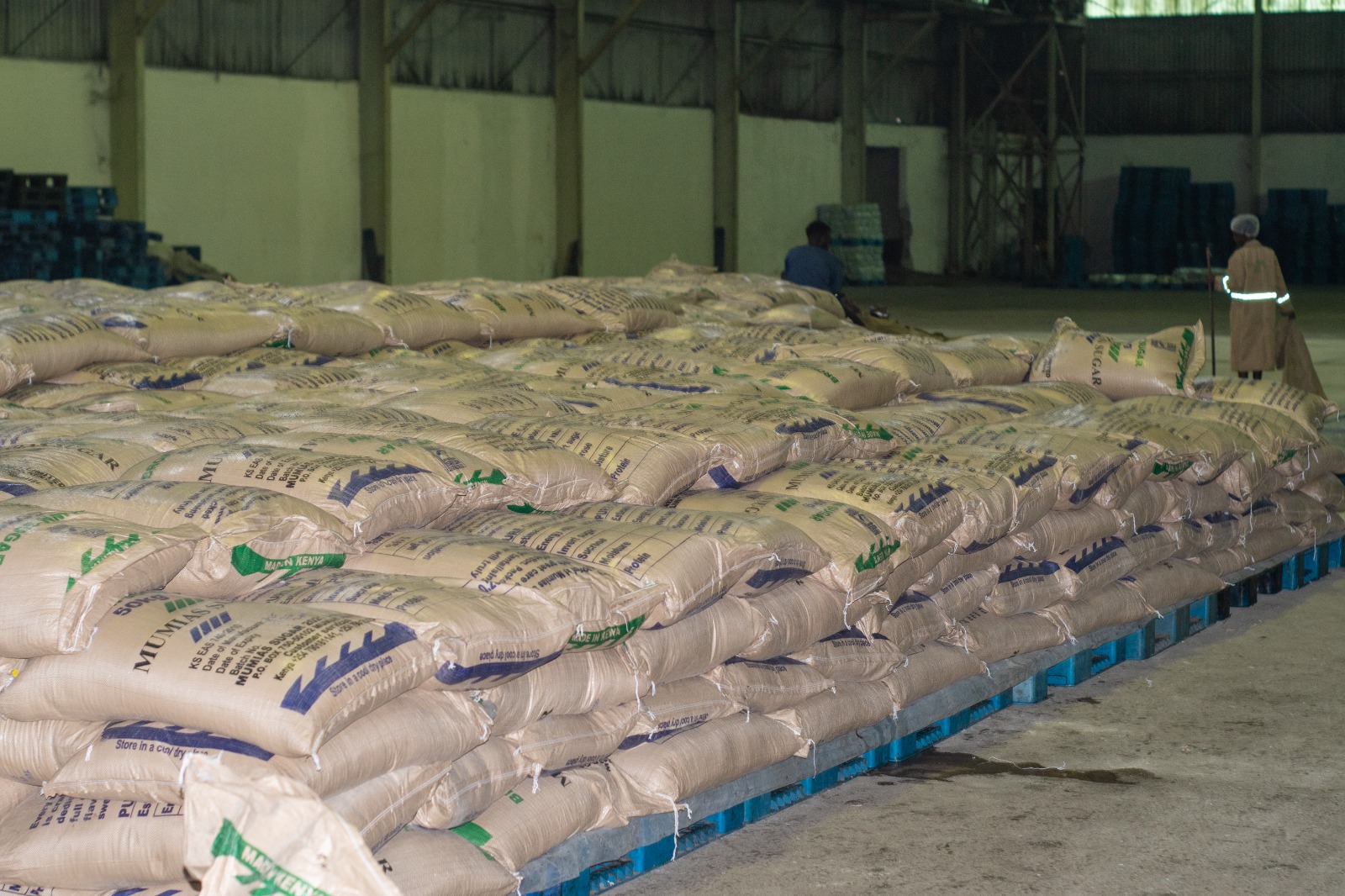

NAIROBI, Kenya, Jan 22 – Kenya’s sugar supply remains stable, offering reassurance to households despite broader cost-of-living pressures.
Regulators have moved to allay fears of a price spike, saying there is no need for panic as the industry works through a challenging production period that began in 2025 and extended into early 2026.
KNBS data shows sugar production fell to 613,000 metric tonnes in 2025, compared to a record 815,000 metric tonnes the previous year. While the drop appears steep, the Kenya Sugar Board says it was both expected and managed.
“This was not a crisis. It was a carefully managed transition,” said Board CEO Jude Chesire in a press release.
Much of the explanation lies in the fields. After the heavy harvesting of mature cane in 2024, much of the crop in 2025 was still growing. To protect farmers from losses caused by early harvesting, seven sugar factories were temporarily closed to allow cane to mature fully.
At the same time, four government-owned mills were handed over to private investors, triggering KSh12.5 billion in upgrades. Though the renovations reduced milling capacity for several months, regulators say the improvements were necessary to secure long-term production. Kwale Sugar also did not operate during the year.
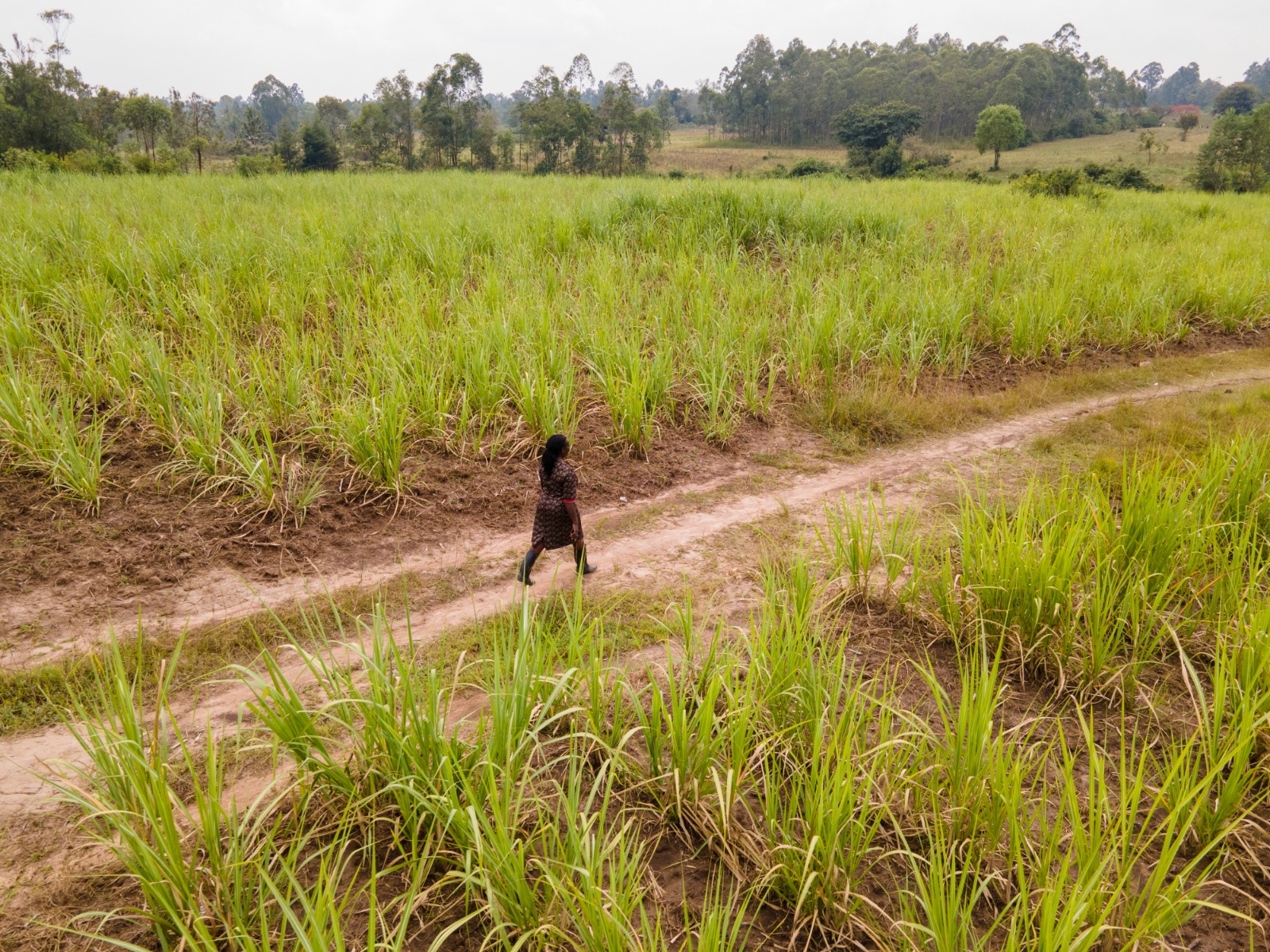
Dry weather worsened the situation, slowing cane growth and reducing yields.
Even so, Chesire said the government has put measures in place to keep sugar available and prices stable.
“Our assurance to Kenyans is clear: sugar supply will remain stable as the industry completes its recovery,” he said.
Farmers are being supported through levy-funded programmes, expanded planting, and early-maturing cane varieties, while millions of tonnes of cane are already in the ground.
With harvesting expected to resume strongly from late 2026, regulators say the toughest period is nearing its end.