





















NAIROBI, Kenya, Mar 24 – This year’s International Women’s Day theme “Give to Gain” highlights a powerful principle: when individuals invest in others, the benefits often multiply across communities and economies. In the financial space, this idea carries particular weight. When women invest in financial knowledge, support one another and take deliberate steps toward financial independence, the gains extend far beyond individual households to businesses and the broader economy.
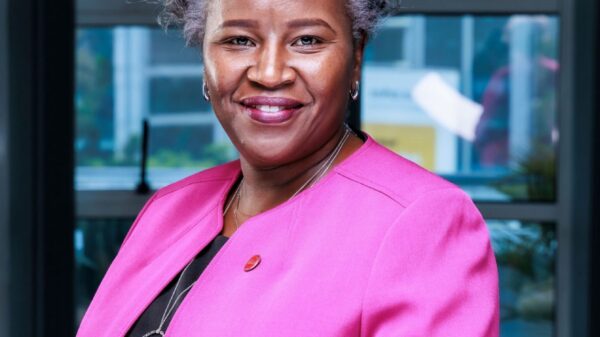
In Kenya, women play a central role in economic activity, from leading small and medium-sized enterprises to participating in investment groups and community savings networks. Yet many still face financial hurdles that affect their ability to build long-term wealth. Gloria Musau of Enwealth Financial Services, shares insights on how women can navigate these realities and strengthen their financial futures.
How does the IWD theme IWD theme “Give to Gain” connect with women’s financial empowerment in Kenya?
The idea of “Give to Gain” resonates strongly in Kenya because our economic systems are deeply rooted in community and shared responsibility. When women invest in financial knowledge and support each other’s economic progress, the benefits ripple across families and communities. Financial empowerment is not just about individual success. When women build financial stability, they are better positioned to support education, invest in businesses and strengthen household resilience. In many Kenyan households, women are already key financial decision-makers, so empowering them financially has a broader economic impact.
What are some of the most common financial hurdles women face in Kenya?
Several factors shape women’s financial journeys. First, career interruptions remain common as women balance professional responsibilities with caregiving roles. These interruptions can affect income progression and reduce contributions to long-term savings such as pensions. Many women operate in the informal sector, where access to structured financial products like pension schemes or employer-sponsored benefits may be limited. Women also often carry significant financial responsibilities within extended families, while this reflects strong social bonds, it can make it harder to prioritize personal wealth creation. Finally, although women are active savers particularly through chamas and SACCOs participation in formal investment markets remains relatively low.
What practical steps can women take to overcome these hurdles?
The starting point is intentional financial planning. Women should begin by defining clear financial goals, whether that involves home ownership, funding children’s education, expanding a business or preparing for retirement. From there, it becomes easier to structure finances around four pillars: saving, investing, protecting and planning for retirement. This means building a consistent savings habit, allocating funds to long-term investments and protecting financial progress through insurance. Consistency is critical. Even modest contributions made regularly can grow significantly over time through compounding.
Why should women prioritize retirement planning it earlier?
Retirement planning is still an emerging conversation for many Kenyans, particularly for those working outside formal employment structures. However, starting early is crucial. Women generally live longer than men, and when combined with career interruptions, this means retirement savings need to stretch further. Participating in pension schemes or personal retirement plans allows individuals to build financial security over the long term. The earlier contributions begin, the greater the benefit from compounding returns.
Is it true the many women save regularly but may hesitate to invest. How can this gap be addressed?
This is a common pattern. Many Kenyan women are excellent savers, particularly through community-based savings groups. However, saving alone may not generate sufficient long-term wealth, especially in an environment where inflation erodes purchasing power. The key is to gradually transition from saving to structured investing. Accessible options such as money market funds, pension contributions and diversified investment portfolios provide practical entry points. Working with credible financial institutions or professional advisors can also help women understand how investments work and how they align with long-term financial goals.
Access to credit is also a challenge for many women entrepreneurs. What advice would you offer?
Responsible credit use can accelerate business growth and strengthen financial independence. Many women in Kenya are entrepreneurs running small and medium-sized businesses. Access to credit can enable them to expand operations, purchase equipment or scale production. However, it is important to ensure borrowing supports productive activities that generate income. Maintaining proper financial records, understanding loan terms and building a positive credit history can significantly improve access to financing.
Why is Insurance, which is often overlooked in personal financial planning, important?
Insurance is an essential part of financial resilience. Unexpected events such as illness, accidents or loss of income can disrupt financial stability and reverse years of financial progress. Insurance products such as health cover, life insurance and income protection provide a safety net that protects families against these shocks. For women who often serve as financial anchors within their households, insurance ensures that their families remain protected even in difficult circumstances.
How can women apply the “Give to Gain” principle in their financial journeys?
One of the most powerful ways is through collective learning and support. Kenya has a strong culture of investment groups and savings circles. When women share financial knowledge, mentor younger professionals and encourage conversations about saving and investing, they strengthen the entire ecosystem. These networks, whether through chamas, professional associations or mentorship, can accelerate financial empowerment for many women.
What message would you share with women this International Women’s Day?
Financial empowerment begins with informed decisions and consistent action. Women should not underestimate the impact of small but deliberate steps, starting a pension contribution, opening an investment account or seeking professional financial advice. When women invest in their financial growth and support one another along the way, the benefits extend beyond individuals to families, businesses and the wider economy. In that sense, when women gain financially, society gains as well.