





















NAIROBI, Kenya, Feb 21 – Savannah Honey is seeking to tap into the $438 million (Sh70.08 billion) global venom extracts market after launching what it terms Africa’s first structured bee venom marketplace, positioning Kenya to compete in a high-value niche driven by pharmaceutical and cosmetics demand.
The firm said the global venom extracts market, valued at $438 million in 2026, is projected to grow to $726 million (Sh116.16 billion) by 2036, presenting a significant export opportunity for local beekeepers.
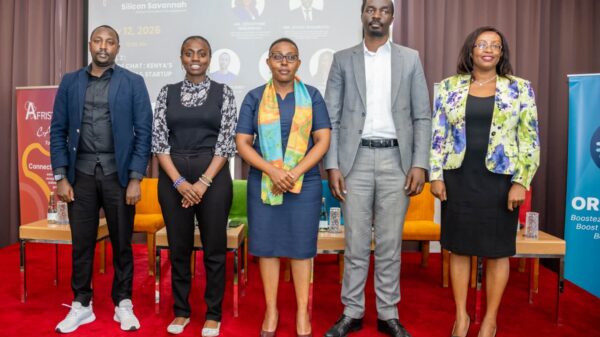
Speaking during the launch in Nairobi, Chief Executive Paul Kyalo Mutua said the new platform will formalise standards and aggregate supply for international buyers, shifting beekeeping from traditional honey production to premium hive products.
“Today’s launch, for example, is a first, providing standards and a ready market for bee venom, a high-value product from beekeeping,” he said.
“Currently, we are looking for farmers across the counties to contract to manage 10,000 hives in the next six months in order to satisfy an existing order for bee venom.”
Savannah Honey buys one kilogramme of bee venom at Sh4 million, underlining the product’s commercial appeal compared to conventional honey. The company is seeking to contract farmers to meet an existing export order, signalling early traction in international markets.
Bee venom is used in pharmaceutical formulations, cosmetic products and medical research—sectors that demand strict quality control and traceability standards.
Savannah Honey currently works with 15,780 contracted farmers in Kenya and the region, supported by 130 employees and 740 community mobilisers and field officers. The firm says it plans to double direct and indirect employment as it scales up venom production.
The pivot to non-traditional bee products places Kenya within the broader bio-economy value chain, with bee venom offering significantly higher returns per hive and the potential to reposition beekeeping as a specialised, export-oriented agribusiness.