


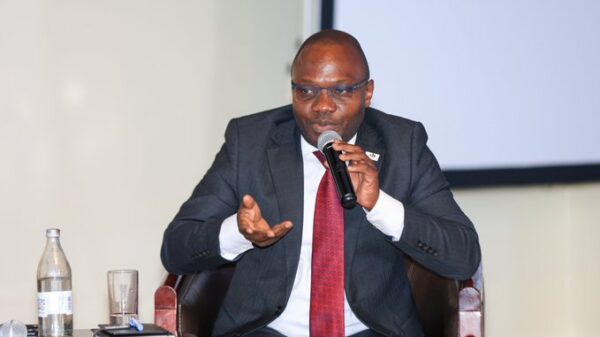




























NAIROBI, Kenya, Jan 13 – Leading tax policy expert is calling for an urgent rethink of the Finance Act 2023’s electronic invoicing mandate, warning that the strict linkage of expense deductibility to eTIMS compliance threatens to penalize businesses with genuine expenditures—particularly within the Micro, Small, and Medium Enterprise (MSME) sector.
Edna Gitachu, a tax analyst, argues that the current framework is set to create a crisis of deductibility come January 1, 2026. Under the new regime, any expense not supported by an electronic tax invoice will be automatically disqualified for tax purposes.
Gitachu warns that this provision fails to account for the reality of the market, where a significant portion of transactions—including payments to government agencies for licenses—may not generate eTIMS-compliant receipts.
“You have a genuine expense, but you will be denied that deduction,” Gitachu noted. “If we are in the MSME sector and trading amongst ourselves, we are not able to raise electronic invoices. Consequently, the Revenue Authority will not have visibility.”
To avert this, Gitachu is advocating for the adoption of the “Rwanda Model,” a policy approach highlighted at the recent Africa Tax Policy and Business Symposium.
Instead of automatically disallowing expenses from non-compliant vendors, she proposes that Kenya delink deductibility from eTIMS status. This would allow taxpayers to report transactions using alternative evidence such as contracts or proof of payment.
Beyond the operational hurdles for MSMEs, Gitachu flagged a fundamental “accounting mismatch” in the KRA’s plan to pre-populate tax returns using eTIMS data. She cautioned that the system captures invoice generation as immediate income, ignoring standard accounting practices regarding deferred revenue.
“If I raise an invoice to mobilize before delivering a service, that is deferred revenue—a balance sheet item,” Gitachu explained. “But for KRA, it is captured as income. This mismatch between the electronic invoice and accounting standards needs to be addressed.”
Despite these concerns, the Kenya Revenue Authority maintains a firm stance, dismissing calls for delays, noting that the Finance Act 2023 provided a clear legal runway since January 1, 2024.
Officials emphasized that with the rollout of eTIMS Lite on platforms like WhatsApp and USSD, the barrier to entry has been removed. Furthermore, the Authority reiterated that alternative recognition modes pose a risk of fictitious invoices,necessitating the strict digital verification path.