













NAIROBI, Kenya, July 22 – 47 counties received Sh3.7 billion from the Kenya Roads Board (KRB) in the 2024/2025 fiscal year to repair roads and bridges.
Under the Road Maintenance Levy Fund (RMLF), Nakuru, Kitui, and Nairobi counties received the highest allocations of Sh183 million, Sh152 million, and Sh120 million, respectively.
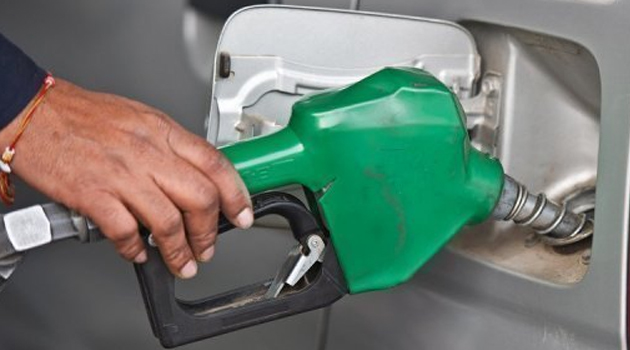
RMLF is meant to facilitate maintenance of county road networks and is drawn from the fuel levy charged at Sh18 per litre of petrol and diesel, which is collected at the pump and specifically earmarked for road rehabilitation and upkeep across the country.
KRB, in a notice, stated that the allocations are aimed at improving road safety, connectivity, and infrastructure standards.
“The Board urges counties to prioritize efficiency, transparency, and accountability in utilizing the funds for optimal impact,” it said.
While some counties received large shares, others were allocated significantly lower amounts.
Vihiga received the least at Sh37.5 million, followed by Nyamira (Sh41.4 million), Busia (Sh45.5 million), Mombasa (Sh45.6 million), and Kisii (Sh60.7 million).
Counties receiving moderate to high allocations included Kiambu (Sh118.9 million), Machakos (Sh111.1 million), Kajiado (Sh106.3 million), Meru (Sh102.8 million), Nyeri (Sh100.3 million), and Narok (Sh97.3 million).
Others in the mid-tier range were Kilifi (Sh85.8 million), Uasin Gishu (Sh86.2 million), Turkana (Sh88.1 million), and Wajir (Sh90.5 million).
Garissa, Marsabit, Laikipia, Kakamega, and Tharaka Nithi each received between Sh60 million and Sh83 million.
KRB has directed all county governments to submit detailed work plans to its regional offices in Kisumu, Nyeri, Garissa, Eldoret, Isiolo, Nakuru, Kakamega, and Machakos by August 12, 2025, to guide the disbursement’s implementation and monitoring.
Earlier, Treasury Cabinet Secretary John Mbadi and his Transport counterpart Davis Chirchir defended the government’s management of fuel levy funds, which has drawn criticism amid rising pump prices.
Mbadi attributed the price surge to international factors, including the escalating Israel-Iran conflict and rising global oil prices.
He clarified that the core Sh18 levy remains exclusively reserved for road maintenance, while an additional Sh7 was securitized to clear pending bills and resume stalled infrastructure projects.
“We had a choice to either keep spending on gravel roads that are washed away every rainy season or channel the funds toward reviving key road projects. Contractors had abandoned work because we owed them around Sh130 billion,” said Mbadi.
The National Treasury emphasized the need to prioritize the maintenance of existing infrastructure over initiating new capital projects.