



















JULY 21 – Lawyers for Harvard University sparred with the Trump administration in a Boston courtroom, with billions in US government funding at stake for the Ivy League institution.
The White House has frozen more than $2bn (£1.5bn) in federal grants for the university, demanding changes to Harvard’s hiring, admissions and teaching practices to fight antisemitism and halt DEI – diversity, equity and inclusion – programmes.
The Trump presidency has also moved to prevent the university from accessing a visa system that allows it to enrol foreign students.
In response, the university filed lawsuits and is requesting summary judgement, a swift decision based on established facts without a full trial.
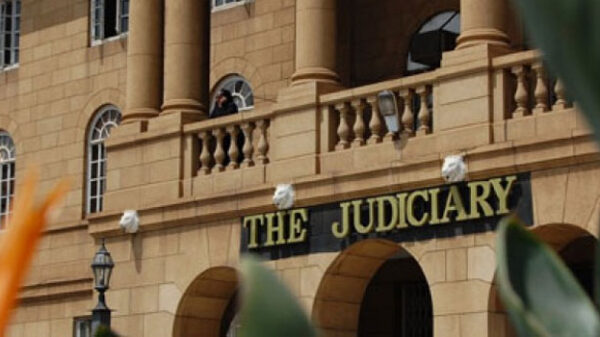
Monday’s hearing took place in the court of US District Judge Allison Burroughs, who has already made several interim rulings in favour of Harvard in a separate lawsuit over the foreign student visa system.
Although a ruling immediately after a one-day hearing is unlikely, Harvard lawyers have asked for a decision by 3 September – the deadline the Trump administration has given the university to wind up its financial obligations with regards to federal grants.
Any ruling in the case is likely to be appealed and could end up before the US Supreme Court.
During the hearing, Harvard lawyer Steven Lehotsky argued that the administration was trying to control the “inner workings” of the institution.
A lawyer for the government, Michael Velchik, said that the university had violated an executive order signed by Trump directed at combating antisemitism.
“Harvard wants billions of dollars and that is the only reason we are here,” Velchik said, according to local media reports.
But Judge Burroughs said the government had provided “no documentation, no procedure” to “suss out” whether Harvard administrators “have taken enough steps or haven’t” to combat antisemitism.
“The consequences of that in terms of constitutional law are staggering,” the judge said.
Earlier, in a briefing filed in June, Harvard’s lawyers argued that the White House is in violation of the free speech provisions of the US Constitution by infringing on the university’s right “to decide what to teach, to express certain views, and to petition the courts to defend itself.”
The university also argues that the administration has failed to follow rules about suspending federal funds and that its actions are punitive and “bear no rational connection to the concerns they purport to address”.
Lawyers for the US Justice Department responded by arguing in a filing that funding comes with “explicit conditions” requiring support of government policies.
“If [universities] fail to meet these conditions, the grants are subject to cancellation,” government lawyers wrote.
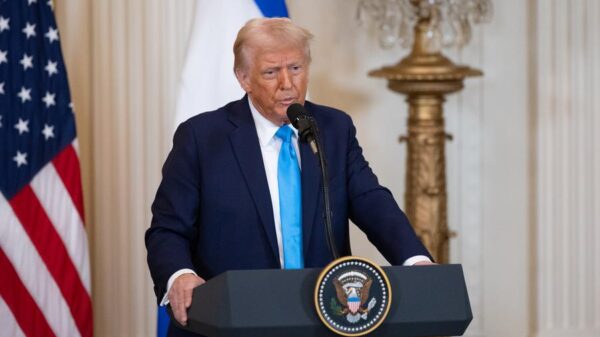
President Trump has suggested his actions against Harvard are part of a negotiating strategy, at one point saying “I think we’re probably going to settle with Harvard”.
In a statement, a White House spokesman said: “We are confident that Harvard will eventually come around and support the president’s vision, and through good-faith conversations and negotiations, a good deal is more than possible.”
The administration’s push against Harvard is part of a broader effort to pressure elite Ivy League universities.
Earlier this month, US Immigration and Customs Enforcement sent subpoenas to Harvard demanding information about international students, and President Trump previously suggested ending Harvard’s tax-exempt status.
In March, Columbia University in New York agreed to several administration demands, including banning face coverings at protests, and reviewing admissions policies, after the White House threatened to end $400m in funding.
However the moves did not appear to fully appease the administration, and the US Department of Education has since threatened to strip Columbia of its accreditation.
By BBC