




























NAIROBI, Kenya, April 11 – Kenya’s energy is primarily sourced from renewable energy sources, as the latest data from the Energy and Petroleum Regulatory Authority (EPRA) shows, highlighting the growing demand for clean power.
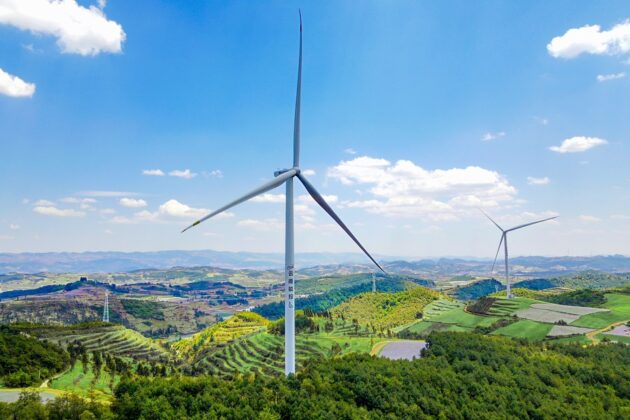
According to EPRA, hydroelectric energy tops the list at 810.4 megawatts, followed by geothermal and wind sources at 841.1 and 425.5 megawatts, respectively.
Likewise, solar energy accounts for 210.3 megawatts, while bioenergy generates a paltry 2.0 megawatts for the national grid.
“As of December 2023, the installed capacity of renewable energy sources reached 2,776.3 MW, constituting 79.56% of Kenya’s total installed capacity,” EPRA states in the report.
“This includes 2,429.2 MW of interconnected renewable energy capacity and 344.6 MW of captive renewable energy capacity,” it added.
Over the last few years, the government has introduced new measures to enable the state to achieve 100 percent green power generation by 2030.
The government recently launched its Energy Transition Investment Plan (ETIP) at the United Nations Climate Change Conference (COP 28), which it hopes will galvanize its efforts to achieve a 100 percent transition to clean energy sources.
As per EPRA, the country has an installed capacity of renewable energy sources of 2,776.3 MW as of December last year, constituting 79.56 percent of Kenya’s total installed capacity.
Earlier, President William Ruto revealed plans to scale up green energy sources from the current 3 gigawatts to 100 gigawatts by 2050.
“While targets may seem modest compared to the global goal of 11,000 GW, it is crucial to understand that this is not due to a lack of ambition,” President Ruto said.
“Rather, it reflects the historical structural and systemic challenges that have limited our participation in the green revolution,” he added.
“Out of the USD 3 trillion invested over the past two decades, only USD 60 billion reached our continent,” he said.