
























NAIROBI, Kenya, Mar 8 – The International Budget Partnership (IBP) has announced the launch of a Feminist Advisory Group (FAG) to enhance its focus on gender and intersectionality in its in-country and organizational strategies.
The group, composed of distinguished feminists from the Global South with expertise in fiscal policy, will help IBP apply an intersectional lens to understand how fiscal policies affect marginalized communities.
Jennifer Grant, IBP’s Director of International Programs, and Priyanka Samy, an experienced Dalit feminist from India, will co-chair the group.
IBP aims to integrate feminist theory and practice to achieve systemic change across its programs and policies.
“Our hope is that they will serve as a catalyst for profound transformation, ensuring that decisions we take not only include a feminist perspective, but are driven by it. We have a lot of learning to do, and we are here to be challenged, to change, and ultimately, to champion a future where systems work equitably for everyone,” said Grant.
Board Chair Sofía Sprechmann Sineiro, Secretary General at CARE International and a lifelong champion for gender equity, called the FAG a crucial step toward weaving gender parity into the very fabric of IBP’s work.
“I am thrilled to see IBP take this step forward to learn from these inspiring fiscal feminists about what it will take to make public resources work for everyone, including women and other people who are historically excluded. I cannot wait to see how their contributions enrich the organization’s thinking and understanding of how public resource systems need to be transformed to ensure they deliver for all,” she said.
Samy highlighted IBP’s commitment to mainstreaming gender and intersectionality, aiming for a transformative shift in program design and strategy implementation.
“With this move, IBP has demonstrated it is intentional about strengthening its ongoing efforts to mainstream gender and intersectionality in all of its policies and programs. It underscores a deep understanding that true systems-change, aimed at dismantling persistent barriers to gender equality, requires more than surface-level actions. It demands a foundational shift and an in-depth reimagining of our approach to program design and strategy implementation. This is a pioneering moment for the organization, and I look forward to this transformative journey,” she said.
The group will formally complete the first phase of its analysis by July 2024, at which point we will seek to integrate their insights into a long-term roadmap for our work.
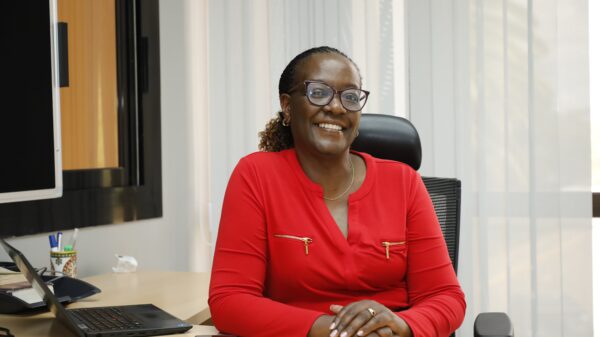
The group includes Jennifer Grant, the IBP co-chair; Priyanka Samy, from India; Awa Penda Ndiaye, from Senegal; Crystal Simeoni, from Kenya; Lebohang Liepollo Pheko, from South Africa; Lyn Ossome, from Uganda; and Sandra Hamid, from Indonesia.