




















NAIROBI, Kenya, Jan 31 – It is every child’s dream to chase their aspirations. Unfortunately, poor vision has prevented certain school-going children in Kenya from achieving their aspirations, particularly those from marginalised areas.
Not only has visual impairment curtailed their academic progression, but also general growth.
Despite the enormous task of single-handedly reversing the menace, Sightsavers, an international not-for-profit organisation that promotes eye health as well as prevents avoidable blindness, has been at the forefront of restoring young people’s vision.
This is imperative, as vision impairment could infringe on their rights to quality education.
One such frequent instance is trachoma, which primarily affects highly endemic communities. It can occur in childhood through the onset of visual impairment in between 30 to 40 years with such cases having been witnessed in Kajiado county. On the other hand, the devolved unit of Homa Bay has high prevalence of eye disorders..
As per the World Health Organisation, trachoma, a tropical illness, is the most common infectious cause of blindness globally.
The disease, which is caused by the obligatory intracellular bacteria Chlamydia trachomatis, is spread directly or indirectly through the ocular and nasal secretions of infected individuals, with toddlers being carriers of the illness.
To prevent its proliferation, Sightsavers runs an extensive initiative to detect, treat, and prevent visual problems among Kenyan schoolchildren.
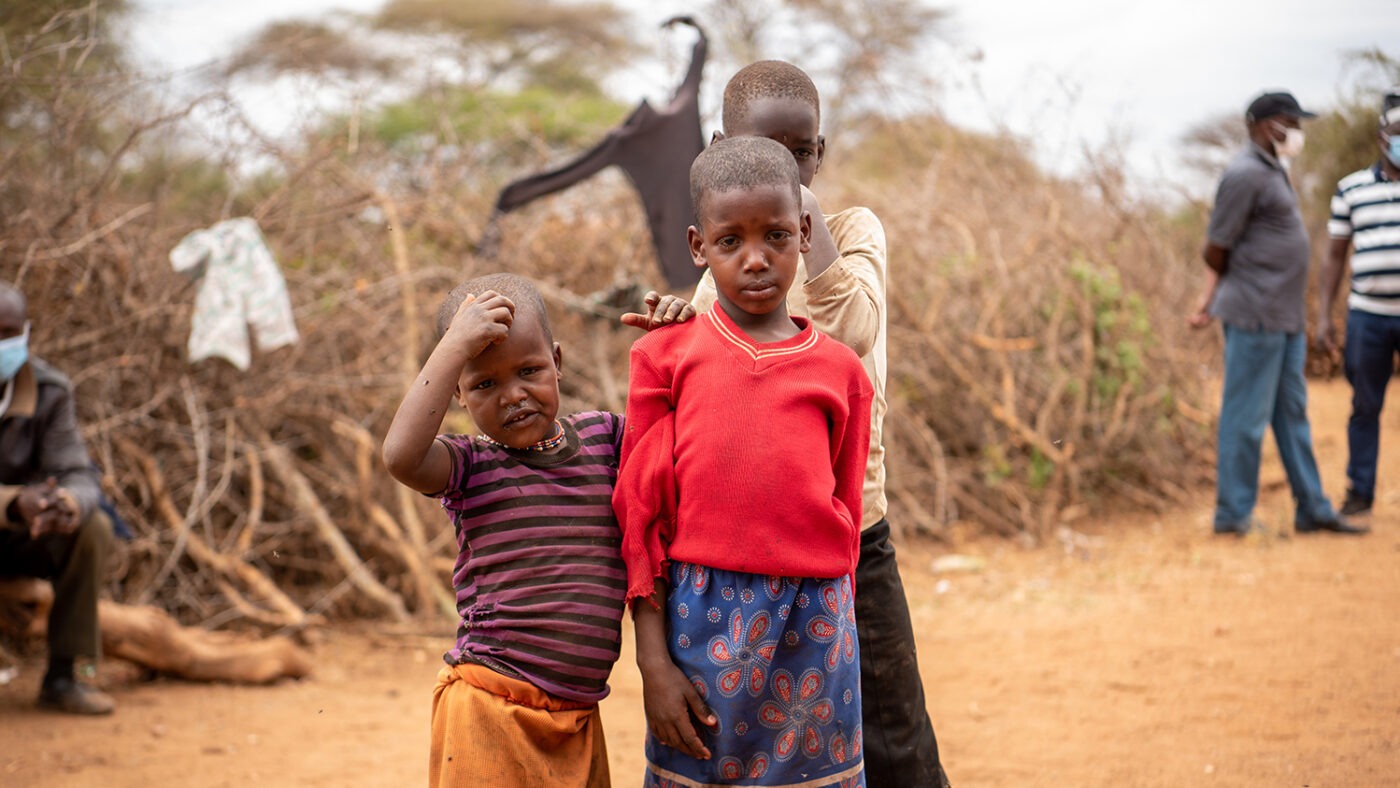
Rakonin (5) and her younger sister Naomi (4), both from Kajiado County, are two of the lucky beneficiaries of the Sightsavers eye health treatment.
Due to abject poverty, it was unimaginable that the family could raise enough money to treat them from the disease.
“My eyes are good,” said a jovial Naomi weeks after she had undergone eyecare treatment facilitated by Sightsavers.
Their story is just an example of hundreds of such cases that go unreported or untreated across the nation.
According to John Muriuki, the organisation’s regional head, there is still a great deal of indifference to eye health, particularly among school-going children in Kenya, a factor that Sightsavers is keen to stamp out through different modules, among them sensitization.
“It is a bit difficult, but the static point is to have a theory of change at the very beginning where all the stakeholders in the community actually align. The level of awareness and the need for healthy eyes is very important. Eye health is not a priority in countries we are operating. There is a bigger challenge,” he said.
The group, which has been working in Kenya since 1952, uses screening to identify children who have vision impairments so that timely interventions can be put in place.
Sightsavers makes it easier for people who need glasses to get inexpensive, easily accessible corrective lenses.
Infections like cataracts, which are overlooked tropical diseases that affect both parents and children, are routinely screened for and treated by the organization.
The actions of Sightsavers go beyond eye health. Students’ academic performance significantly increased after receiving better vision.
Benefactors can now clearly see the textbooks and chalkboards, which previously made it difficult for them to participate in class activities.
These outcomes enable these kids to not only keep up with their classmates but also regain confidence in their ability to learn and succeed.

TT patients being screened by surgeon Benjamin Ajena at hospital/Photo by Jason Mulikita
Moreover, the ripple effects of Sightsavers’ initiatives reach beyond the individual child to the community and nation at large.
By investing in the visual health of schoolchildren, Sightsavers contributes to breaking the cycle of poverty and underdevelopment.
Education, when coupled with good health, becomes a powerful tool for empowerment, enabling children to dream big and pursue a brighter future.
The success of Sightsavers’ efforts in Kenya underscores the importance of collaborative partnerships between international organisations, local communities, and governments.
“We have transitioned to system strengthening where we support the ministry of education at the national level across a number of areas including helping the community in terms of identification of infections,” says Sightsavers Country Director Moses Chege on his part.
By working together, the country can overcome the challenges that hinder children from realising their dreams.
Sightsavers serves as a beacon of hope, illustrating how targeted interventions can transform the lives of vulnerable populations and pave the way for a more inclusive and equitable society.
In conclusion, every child’s dream of a better future should not be curtailed by preventable obstacles such as poor eyesight.
Sightsavers’ work in Kenya stands as a testament to the transformative power of vision care, ensuring that children not only see the world clearly but also have the opportunity to shape it according to their dreams and aspirations.