






















By Margaret Mathore
NAIROBI, Kenya, Nov 30 – As Kenya mulls increasing the bar for local programming content quota from the current 40% to 60%, greater focus should turn to supporting the growth of the local independent movie industry and its pool of filmmakers.
This will go a long way in helping to promote diversity and innovations in the nascent industry, offer emerging filmmakers a golden opportunity to flourish, and be key in sustaining growth and diverse local content offerings.
Over the last five years, we have observed a two-fold rise in compliance rate by local broadcasters in meeting the minimum 40 percent local content programming threshold, which is a remarkable feat.
The 98 percent compliance rate underscores a growing appetite for local content, significant investments, and collaborative efforts by industry stakeholders since 2017 when compliance level was at 50 percent.
Setting the bar higher is progressive and a welcomed move that will not only accelerate growth in our local film industry but also in the economies of countries within the region and raise our global standing.
Local content plays a big role in upholding cultural identity, fostering diversity as well and generating employment opportunities for Kenyan
Comparatively, Kenya has set one of the lowest thresholds for local content programming within the region. For instance, Tanzania enforces a 60 percent quota for all TV and radio content to be produced by citizens of the East African nation.
In Tanzania, music played on public or commercial content services between 5.30 a.m. to 9:00 p.m. must be 80 percent in Tanzanian, as per The Electronic and Postal Communications (Radio and Television Broadcasting Content) Regulations, 2018. Meanwhile, Uganda maintains a 70 percent local content threshold, while Rwandan broadcasters are required to adhere to 50 percent.
Beyond the African continent, some countries have further tightened their regulations to restrict foreign content, often by imposing substantial taxes. For instance, in Malaysia, 80 percent of television programs are mandated to be produced by local companies owned by ethnic Malays.
Undoubtedly, the popularity of local content is on the rise not only in Kenya but also throughout the entire region. Achieving a 100 percent broadcast of Kenyan content is within reach. Already, the groundwork has been laid and the country is ready for a huge local film content market.
Compared to a decade ago when the country had a handful of local content on TV, now most free-to-air and paid TV platforms enjoy a wide array of locally produced and a growing list of adapted titles.
Some of the major developments include the emergence of independent channels like Maisha Magic East and Maisha Magic Plus that air 100 percent local content. Thanks to a hyperlocal content strategy adopted by the channels they now have growing list of locally produced shows, and this has significantly helped in racking up the compliance rates.
Advanced quality shows like Hullaballoo Estate, Sanura, Njoro wa Uba, new Zari and Ka-Siri local shows are just some of the new local shows helping broadcasters enrich their local programming.
However, a significant challenge – the substantial cost associated with producing local content- persists. The cost estimation for producing a half-hour television drama range between Sh 300,000 and Sh 600,000 per episode.
This financial burden has led some broadcasters to opt for more affordable options like acquiring foreign soap operas, which come at a lower price compared to locally produced content. The financial constraint also influences the length of locally produced series, often resulting in shorter storylines.
To achieve a 100 percent local content target, policymakers need to formulate favorable policies that reduce production costs for local content creators.
One potential avenue is for the government to establish a dedicated credit facility within the Hustler Fund to support filmmakers. Additionally, the private sector can play a pivotal role in scaling up industry knowledge and skills transfer and marketing support to local content producers.
The emergence of short-form video capabilities on social media platforms like TikTok, Meta, and X, formerly Twitter has brought to the fore a pool of new-age local content talent that must be nurtured. With proper structures, policies, and a favorable environment, we can turn this pool into a gold mine for local content push and prepare the Kenyan film industry for international success.
Bolstering local content not only contributes to addressing the pressing issue of unemployment but also provides an avenue for meaningful investment in our nation’s creative potential.
It’s time to firmly hold the hands of the incumbent and emerging producers through sustained capacity building and channeling more resources into the development of local content.
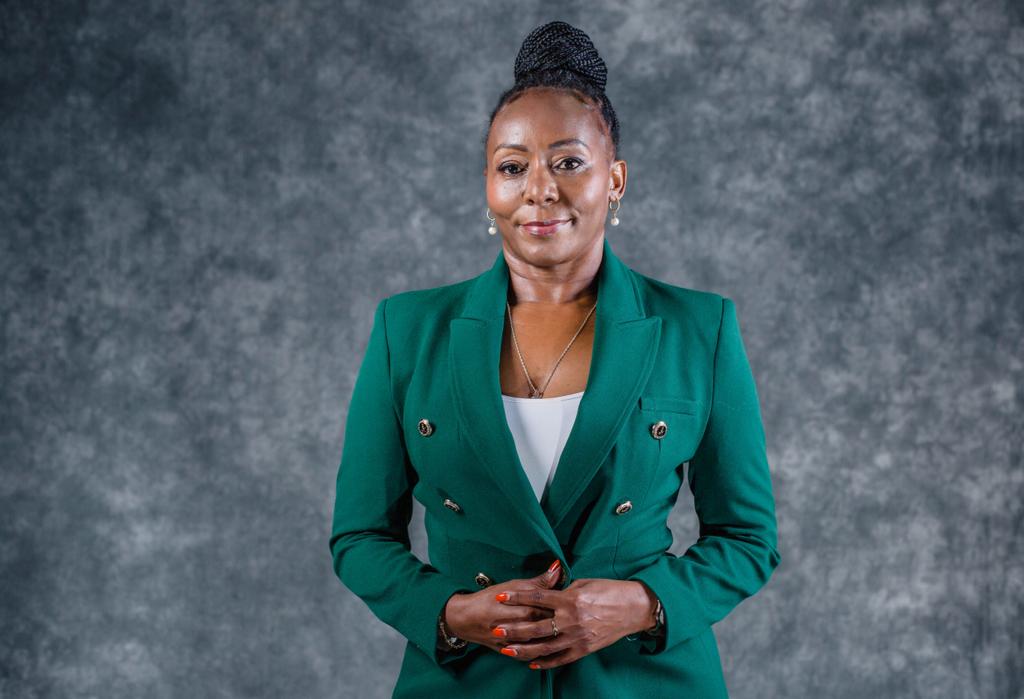
The writer is the Head of Channels, Maisha Magic Channels