



















NAIROBI, Kenya, May 25 – Kenyan manufacturers want the country to focus on export-led manufacturing growth to boost gross domestic product (GDP).
This has the potential to grow the country’s GDP from the current 7.8 percent to 20 percent by 2023, they say.
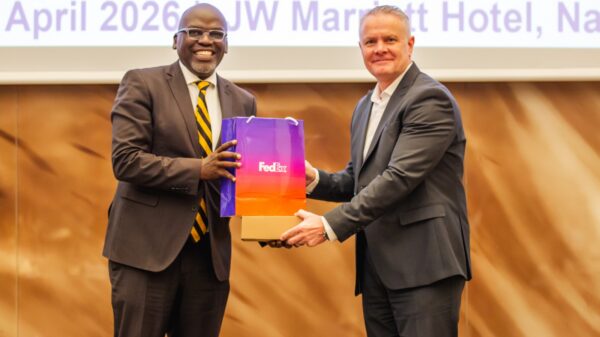
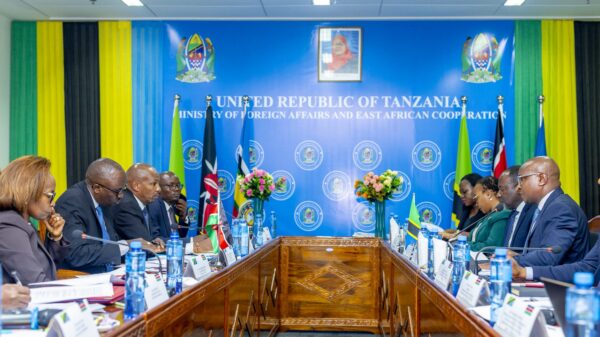
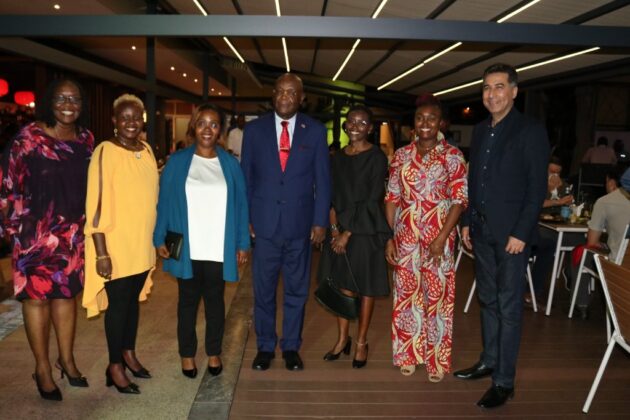
Industrialists discussed this during the Trade and Investment Mission to the Democratic Republic of Congo (DRC) that was hosted by KAM in partnership with Equity Bank in Kinshasa to discuss trade promotion between the two countries.
Kenya’s Ambassador to the DRC, George Masafu, said the country remained an attractive destination for foreign investment, especially for Kenyan companies.
“Over the years, Kenyan companies have established branches in DRC. The Government of Kenya continues to prioritize harmonization of trade between the two countries,” Ambassador Masafu said.
“With a population of over 90 million people, DRC provides a huge opportunity for investment especially, on consumer products,” he added.
Being the second-biggest country by landmass and population on the African continent, the DRC offers immense trade opportunities for Kenyan businesses to thrive.
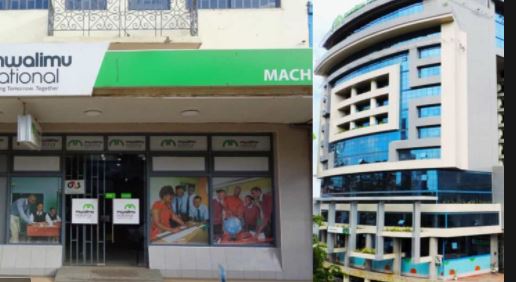
Already, Kenyan firms have pitched tents in the country, with the likes of the Kenya Commercial Bank (KCB) and Equity Bank investing in the state’s banking sectors.
This has started to pay dividends, with players reporting profit growth in their subsidiaries in the DRC.
For example, in the three months to March this year, KCB Group revenue increased by 26.9 percent to Sh36.9 billion from non-funded incomes across its network and the consolidation of Trust Merchant Bank (TMB), its subsidiary in the Central African country.
Likewise, State Department for Trade Principal Secretary (PS) Alfred K’ Ombudo reiterated the government’s commitment to driving economic growth.
“Government developed and is implementing the Bottom-Up Economic Transformation Agenda (BETA). One of the key pillars in BETA strategy is to expand markets for our products abroad, and to attract more Foreign Direct Investment to boost our economic growth,” Ombudo said.
“BETA requires huge investment under various innovative frameworks to achieve the improved economic performance in five priority sectors – transform agro-industrial productivity and food security; universal health coverage; the digital superhighway and last-mile internet connectivity; Micro, Small and Medium Enterprises; and provision of affordable housing through the construction of 250,000 units annually over the next 5 years,” the PS added.
The mission, which started on May 23 and will end on May 26, 2023, brings together manufacturers from various sectors, including food and beverage, agro-processing, and pharmaceutical.
Others are chemical and allied industries; timber, wood, and furniture; plastic and rubber; energy; electrical and electronic industries; automotive; textiles; and apparel.
It seeks to identify export markets and investment opportunities, strengthen distributorship networks, and gauge the intensity of the competition in the DRC for Kenyan manufacturers.
“It is therefore essential that we position and promote Kenya and locally manufactured goods to take up the new opportunities that DRC presents,” KAM Head of Consulting and Business Development Joyce Njogu said.
“This includes enhanced access to raw materials and intermediate goods and access to economic hubs that offer investment opportunities.”