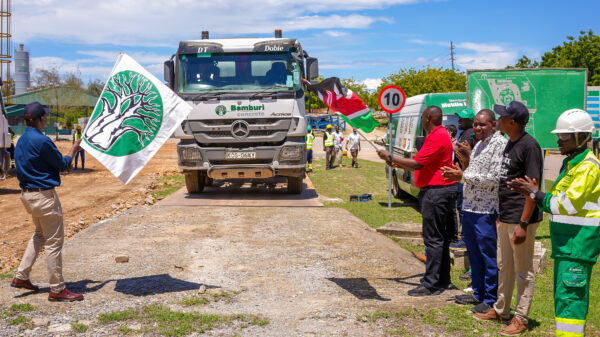


























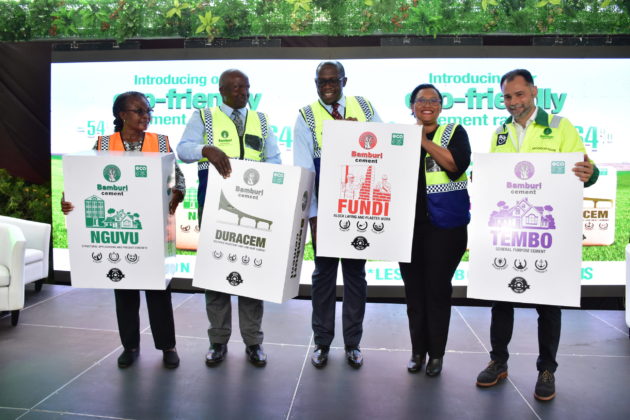

NAIROBI, Kenya, Nov 18 – Bamburi Cement has unveiled Eco-labeled its four cement brands that will result in low Co2 emissions as part of its commitment to achieving net zero carbon emissions.
The eco-label attests to cement products made with sustainable materials that emit less Co2 than pure ordinary Portland cement by more than 30 per cent.
Eco-labels assist consumers in quickly determining how their purchase will affect the environment and help them build trust in the products they are purchasing.
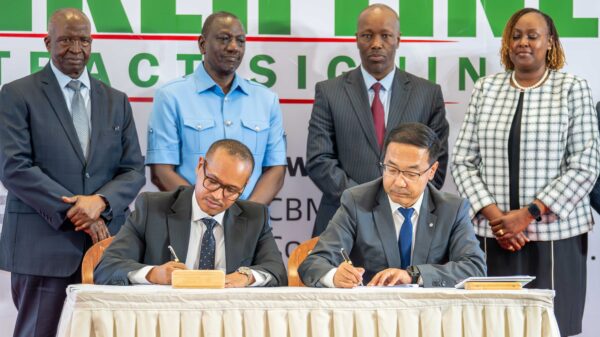
Bamburi Cement Managing Director Seddiq Hassani during the unveiling of the products said that was an important milestone for the company in proving its efforts towards the global climate change objectives of net zero emissions.
“At Bamburi we will continue to pioneer carbon footprint reporting and transparency within our sector. We are cognizant that choosing and promoting Eco-label products makes a real contribution to the biggest environmental challenges of our time, such as reaching climate neutrality by 2050, shifting to a circular economy and reaching the zero-pollution ambition for a toxic-free environment,” he said.
The four cement brands listed were Bamburi Fundi, Bamburi Tembo56, Bamburi Nguvu and Bamburi Duracem, which will bear the Eco-label in their packaging.
Bamburi Duracem cement will be at the top of the range with a massive 64 per cent reduction in Co2 footprint.
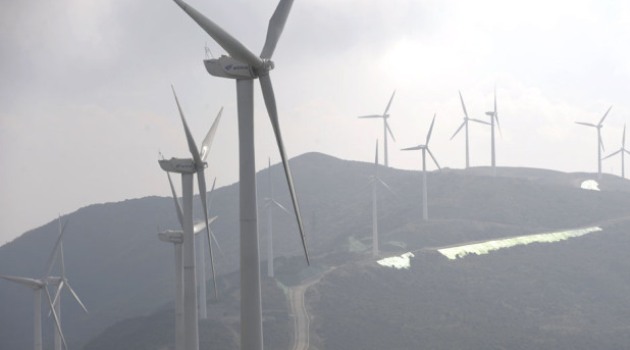
Through its Solar Energy project, Bamburi will lower energy emissions by 2025 accounting for up to 40 per cent of its power consumption.
“In addition, Bamburi plans to increase its use of rail transportation to 25 per cent to lower its transport emissions,’ he added.
Irene Wamanga, the Director of People, Organization and Sustainability, said Bamburi Cement has achieved a reduction of its industrial emissions targets, through accelerated efforts in reducing the use of fossil fuels and replacing them with alternative fuels like biomass and industrial waste.
“Circular economy is underpinned by a transition to renewable energy and materials. By co-processing non-recyclable waste, we continually minimize our use of fossil fuels, which enables us to lower our carbon emissions and move towards a Net Zero future,” she said.