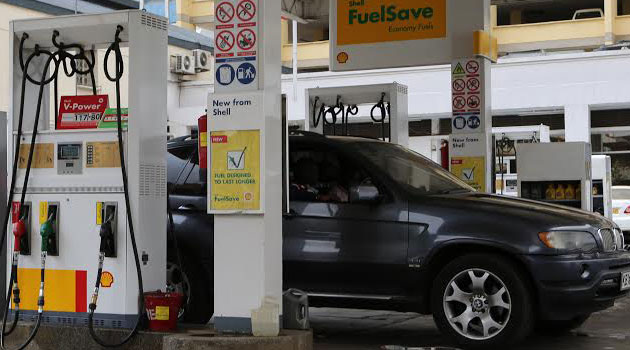










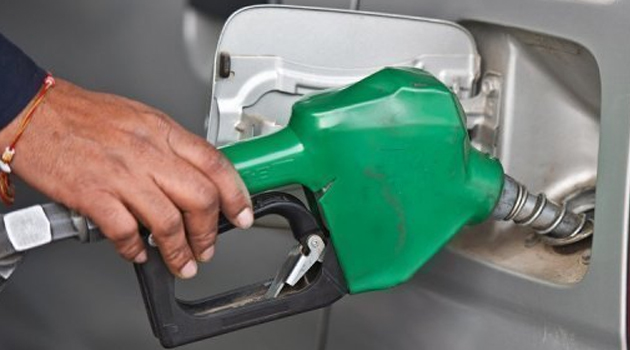




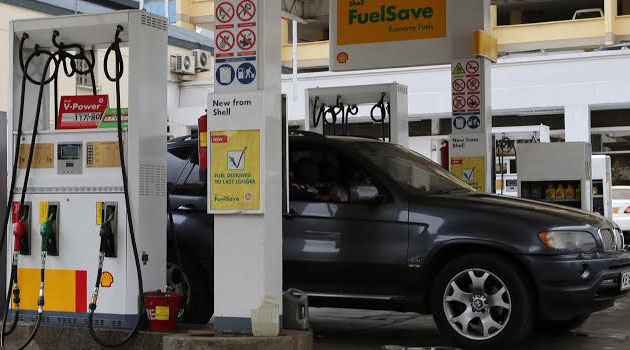

NAIROBI, Kenya June 14- Kenyans have been spared, Sh49 and Sh25, and Sh42 more for a liter of Diesel, Super petrol, and Kerosene by a tax-funded subsidy implemented by the Government.
Despite a Sh9 increase in the prices of fuel, the Energy Petroleum and Regulatory Authority, in its latest review noted that the three would have otherwise retailed at Sh189, Sh184 and Sh170 respectively.
The Government will utilize the Petroleum Development levy to cushion consumers from the surge in the global oil prices.
The average landed cost of imported super petrol increased by 5.96 percent, 10.90 percent while that of Kerosene decreased by 0.34 percent.
The Free Onboard ( FOB ) price of Murban crude oil lifted in May 2022 was posted at USD112.48 per barrel an increase of 19.67 per cent from USD 93.99 per barrel in April 2022.
Despite the utilisation of the fuel subsidy, World Bank has expressed concerns that the issuance of fuel subsidies to oil dealers is putting a strain on the Government’s expenses and is subsequently hurting the country’s budget and planning.
The fuel subsidy which was introduced in October 2021 through the petroleum development levy in order to cushion Kenyans from high fuel prices sees the Government spending approximately USD 66 million to subsidize the prices of diesel, super, and kerosene.
“The limited passthrough of higher international oil prices to consumers is generating fiscal costs, with the total monthly cost of subsidizing fuel estimated to be approximately USD66 million,” World Bank said.
While it did not propose any interventions to rid the subsidies, World Bank said, “fuel subsidies is hindering the fiscal performance which benefitted from strong economic recovery aided by the improved service sector and increased revenue.”
“Fiscal performance has also benefitted from the strong economic recovery supporting revenues, but this is now being countered by the cost of subsidizing fuels. The rebound in economic activity and ongoing tax reforms and revenue administration improvements have boosted revenue collection,” the Bretton woods institution said in a statement.
The total allocations to fuel price stabilization for the previous fiscal year amounted to Shs25.0 billion (0.2 percent of GDP)n and further reached 34.1 billion (0.3 percent of GDP) in Q3 FY2021/22.