






















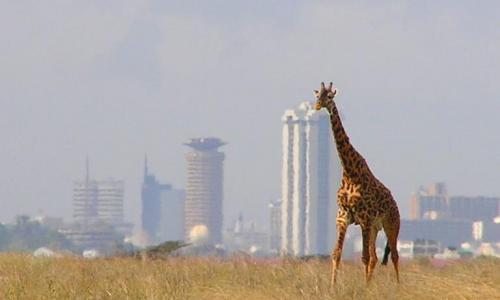

NAIROBI, Kenya, Jul 23- Google’s latest Covid-19 Community Mobility Report reveals that more Kenyans are visiting parks, with Mombasa and Kisumu having the highest increase in visitors of 9 percent and 5 percent respectively in the past one week.
Nairobi saw a 1 percent increase in the number of people visiting recreational spaces in the past one week, especially after the President lifted the cessation of movement week, showing that Kenyans must have missed visiting parks.
The report further shows that movement in public transport hubs such as bus and train stations increased by 1 percent in the past week.
According to the report, movement in places of residence has reduced by 2 percent in the past week from 12 percent to 10 percent while the number of those going into retail and recreational places like restaurants, cafes, shopping centres, theme parks, museums, libraries, and movie theatres across the country has also reduced by 1 percent.
In places such as supermarkets, food warehouses, farmers markets, specialty food shops, and pharmacies, movement of people reduced by 1 per cent in the past one week. Movement in places of work has also reduced by 2 per cent in the past one week.
The report, which contains county-level data, indicates that movement in places of retail and recreation increased in Kisumu (by 1 percent) and reduced in both Nairobi (by 2 percent) and Mombasa (by 1 percent). In places like supermarkets and pharmacies, there has been an increase in movement of 2 percent in Kisumu, a reduction of 2 percent in Nairobi, while Mombasa remained constant at 22 percent in the past week.
This last week, places of work have recorded a reduction in movement by 2 percent in Nairobi and 3 percent in Mombasa.
There is, however, a rise of 2 percent in Kisumu county. This shows that more people continue going to work in Kisumu while in both Nairobi and Mombasa, places of work continue to be avoided.
In residential areas, the report shows that movement has reduced in the past one week in both Nairobi by 1 percent and Mombasa by 2 percent while in Kisumu, the report records an increase of 1 percent.
This shows that the number of people leaving home has increased in both Nairobi and Mombasa counties, while in Kisumu county people are increasingly staying home.
In public transport hubs such as bus and train stations, movement of people increased in both Mombasa by 6 percent (from 29 percent to 35 percent) and Kisumu by 3 percent (from 27 percent to 30 percent), while it remained constant in Nairobi at 26 percent.
The increase in movement in public transport hubs shows that more people are now using public transport to travel from one point to another since the President lifted the cessation of movement into and out of Nairobi, Mombasa, Kwale and Mandera counties
The COVID-19 Community Mobility Report is part of Google’s global response to the coronavirus pandemic, intended to help people and public health officials understand responses to social distancing guidance.
The report uses aggregated, anonymised data to chart movement trends over time by geography, across different high-level categories of places such as retail and recreation, groceries and pharmacies, public transport terminals, workplaces, and residential areas.