
























NAIROBI, Kenya, Jan 26 — The Court of Appeal has declined two government applications seeking to suspend the November 28 High Court judgement declaring the Housing Levy unconstitutional pending the determination of an ongoing appeal.
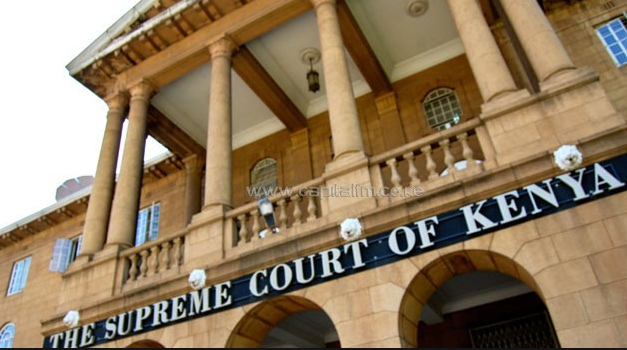
A three-judge bench of the court argued, in a ruling delivered on Friday, that the move safeguards public interest should the outcome of the appeal sustain the decision of the High Court.
“In our view, public interest lies in awaiting the determination of the appeal,” Justices Lydia Achode, John Mativo and Mwaniki Gachoka declared.
“This is because if the stay sought is granted at this stage, should the appellate Court affirm the impugned decision, then some far-reaching decisions that will have
been undertaken pursuant to the impugned laws may not be reversible,” the judges explained.
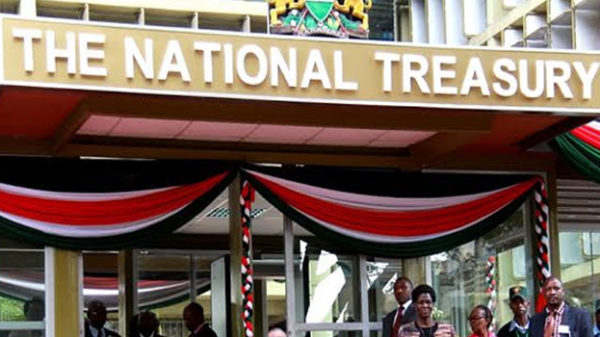
The court went on to note that public interest would best be served “in not granting the stay or the suspension sought” by the National Assembly and the National Treasury.
“Public interest tilts in favour awaiting the determination of the issues raised in the intended appeals,” the judges affirmed.
The court also declined two applications by Senator Okiya Omtatah and Katiba Institute inviting it to suspend its initial decision to stay the High Court order.
The bench however committed to the expeditious determination of the appeal.
“We direct that the appeals be heard expeditiously so that the issues raised in the appeals can be resolved with finality,” the judges ordered.
Friday’s decision by the court came as an extended stay issued by the court on January 5 came up for review.
Unconstitutional provisions
In the contested decision rendering President William Ruto’s housing plan illegal, Justices David Majanja, Christine Meoli and Lawrence Mugambi said key provisions on the Housing Levy under the Finance Act (2023) violated the Constitution.
The judges argued that by singling out the formal sector without justification, the law failed to conform to the principal of nondiscrimination.
The High Court held that the introduction of the levy was discriminatory to the extent it imposed taxes solely targeting salaried Kenyans excluding those in the informal sector.
Justice Majanja, while reading the decision of the bench, pointed out that the levy amendment to lacks a comprehensive legal framework and contravened Article 10, 2 (a) of the Constitution.
“The levy against persons in formal employment to the exclusion of other non-formal income earners without justification is discriminatory, irrational, arbitrary and against the constitution,” Justice Majanja declared.
The court further directed employers to stop deducting the levy from their employees with immediate effect.
“An order is granted prohibiting the respondents from collecting, charging or otherwise charging on Affordable Housing Act on the basis of section 84 of the Finance Act and all prayers on the consolidated petition not specifically granted are dismissed,” Majanja said at the time.