


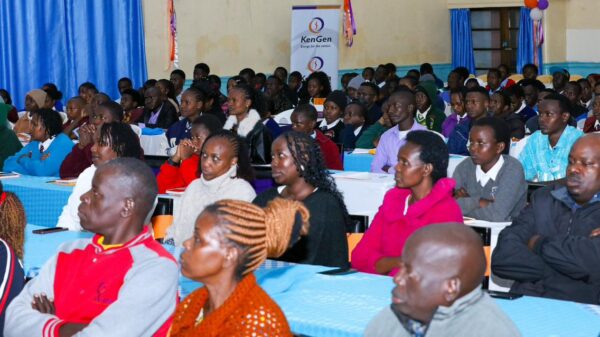




















NAIROBI, Kenya, Apr 20 – Young people in Kenya are set to benefit from new job opportunities following a partnership between BrighterMonday and key players in the country’s security sector aimed at enhancing employment and strengthening corporate security leadership.
The initiative targets youth aged between 18 and 35, with a focus on improving work readiness training, expanding job placements, and aligning skills with the evolving demands of the security industry.
BrighterMonday’s Country Programme Lead and Head of Strategy at TATC, Penina Kimani, said the collaboration seeks to transform how organizations recruit and prepare talent within the sector.
“Kenyan organizations are increasingly required to adopt proactive, intelligence-led, and skills-driven approaches to onboarding talent in the security sector, particularly in the face of evolving threats and operational risks,” she said.
The partnership comes at a time when the security sector is becoming increasingly important as a driver of economic stability, with businesses placing greater emphasis on risk management and crisis preparedness.
Kimani noted that the sector plays a critical role in supporting economic growth and investment.
“The security sector is widely recognized as a fundamental pillar for economic growth and stability, acting as a prerequisite for development, investment, and daily operation. It is therefore important to grow in tandem with the expectations of jobseekers and employers,” she said.
She added that the programme will provide training, strengthen employer linkages, and support recruitment activities to improve job placement outcomes in line with current industry needs.
The initiative will be implemented under the Gen-Kazi programme, supported by the Mastercard Foundation, which focuses on equipping young people with market-relevant skills and connecting them to employment opportunities.
Through the programme, BrighterMonday aims to position the security sector as a viable career pathway while addressing youth unemployment, particularly among underserved groups such as women, non-urban youth, and persons with disabilities.