





















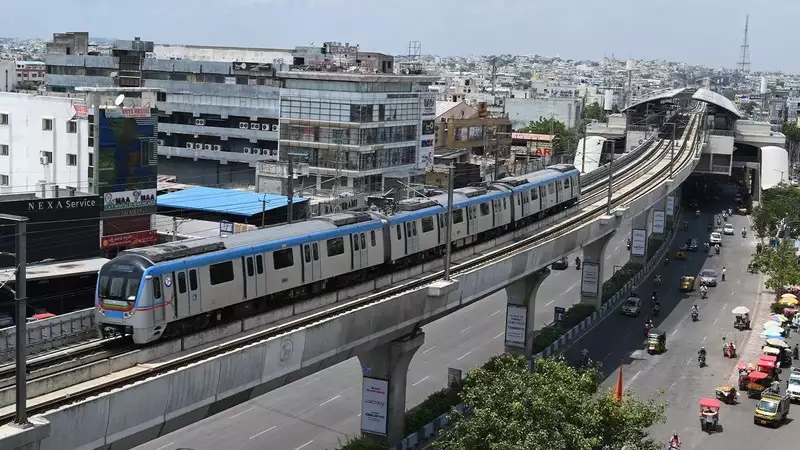

Jan 10 – India’s metro rail network has surpassed the 1,000-kilometer milestone, marking a significant achievement in modernizing public transport, reducing urban congestion, and fostering sustainable development. This rapid expansion, achieved in just a decade, underscores the country’s commitment to creating efficient urban transit systems.
The past ten years have witnessed unprecedented growth in India’s metro infrastructure. The country’s metro journey began with the Kolkata Metro in 1984, which set the foundation for modern urban transportation. Nearly two decades later, the Delhi Metro, launched in 2002, revolutionized urban mobility by introducing advanced technology, eco-friendly features, and reliable services. Inspired by the success of these systems, metro networks expanded to cities like Mumbai, Bengaluru, and Hyderabad. Today, over 20 cities, including Chennai, Ahmedabad, Pune, and Lucknow, boast metro systems that have improved urban commutes, reduced congestion, and promoted economic growth.
Several factors have driven the rapid growth of India’s metro network. Rapid urbanization has significantly increased the demand for efficient public transport. Metro systems offer a solution by reducing dependence on private vehicles and alleviating traffic congestion. Additionally, metro rail systems align with India’s climate goals by offering low-emission transport options, reducing the carbon footprint of urban commutes. Government initiatives such as the Metro Rail Policy of 2017 streamlined project approvals and encouraged private investment, further accelerating metro development.
Technological advancements have played a crucial role in the metro’s success. The adoption of driverless trains, automated fare collection systems, and real-time monitoring has enhanced efficiency and passenger experience. Integration with other transport modes, including buses, suburban railways, and last-mile options such as e-scooters, has further improved accessibility for commuters.
The recently inaugurated Delhi-Meerut Namo Bharat corridor highlights India’s advancements in mass transit. This Regional Rapid Transit System (RRTS) features high-speed trains capable of running at 180 km/h, significantly reducing travel time between Delhi and Meerut. The corridor is expected to spur economic growth, boost real estate development, and enhance the quality of life for millions.
The metro network’s expansion has had far-reaching economic and social impacts. Faster commutes have improved productivity and work-life balance. Metro connectivity has increased property values and promoted urban planning, while the construction and operation of metro systems have generated thousands of jobs. Features like elevators, escalators, and reserved seating have made metros more inclusive for the elderly and differently-abled.
Despite the progress, challenges remain. High capital costs, land acquisition issues, and delays in project execution continue to hinder progress. Ensuring financial sustainability and affordability for passengers also remains a critical concern. To address these issues, the government is focusing on innovative financing models, integrating renewable energy into operations, and expanding metro coverage to smaller cities. Enhancing last-mile connectivity through feeder services and non-motorized transport options is also a priority.