


















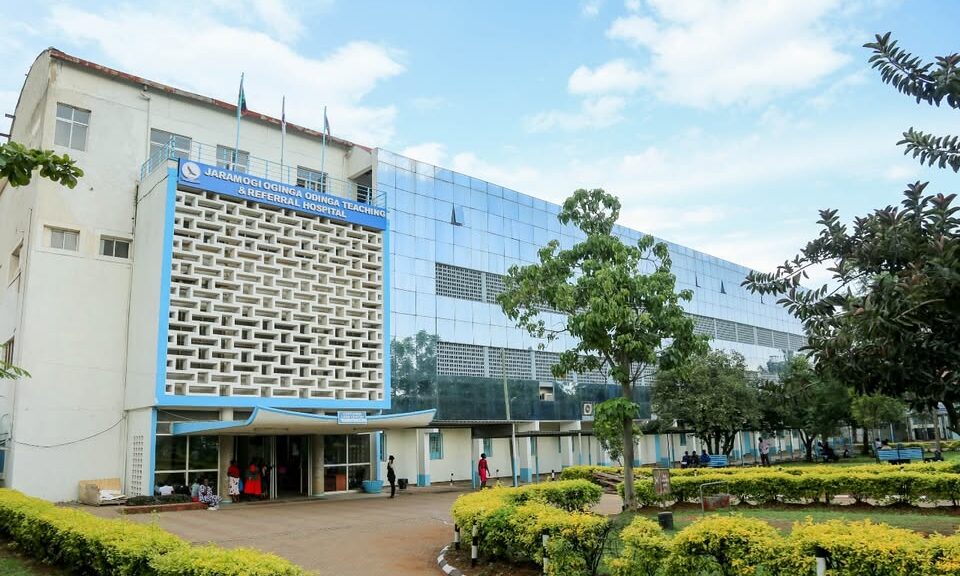

NAIROBI, Kenya, Mar 13 – The Retirement Benefits Authority (RBA) has ordered Moi Teaching and Referral Hospital to immediately stop deducting pension contributions from employees’ salaries after the institution failed to remit funds to its staff retirement scheme.
The regulator, in a directive, said the hospital had accumulated unremitted pension contributions and interest amounting to Sh2.49 million as of January 9, 2026.
The RBA said the hospital had also failed to respond to earlier correspondence or submit a remedial action plan to address the arrears despite previous engagement by the regulator.
“This continued inaction, coupled with the non-remittance of pension contributions for December 2025, demonstrates non-compliance with its statutory obligations,” said RBA Director of Supervision Jackson Nguthu.
“In view of the above and pursuant to Section 53B of the Retirement Benefits Act, the Authority hereby directs the Sponsor to immediately cease any further deduction of pension contributions from employees’ emoluments and to formally notify all members of the Scheme of this cessation.”
The regulator noted that the hospital had indicated it was engaging the National Treasury over funding for the outstanding contributions but had not provided definitive timelines for settling the arrears.
However, the authority signaled that the order could be lifted if the hospital demonstrates commitment to compliance.
The developments come on the back of persistent compliance challenges across government institutions.
Data from the regulator shows that unremitted pension contributions stood at about Sh66.41 billion as of December 2025, with public institutions accounting for roughly 93 percent of the total arrears.
The backlog is largely concentrated in public universities, county governments and other state agencies, reflecting financial pressures within government-funded institutions.
The problem has grown steadily over the past decade. Industry data shows unremitted pension deductions rising from Sh6.68 billion in 2015 to over Sh69 billion by 2025, highlighting a systemic challenge in enforcing compliance among employers.
Delayed remittance has significant implications for workers because the funds lose potential investment returns during the period they remain unpaid, ultimately reducing the retirement benefits available to employees.