



























MAR 6 – The eruption of the Iran conflict has brought with it consequences that extend far beyond the Middle East.
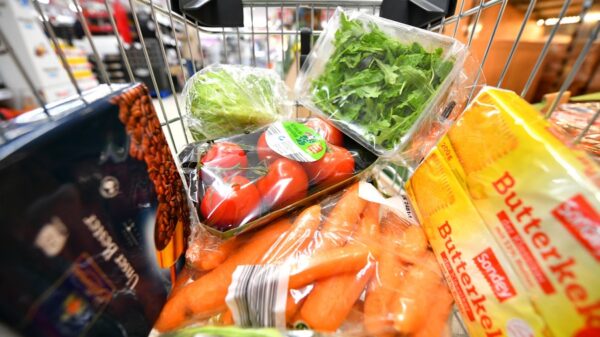
The region plays a key role in global energy supplies and shipping routes, prompting concerns that everything from heating bills to supermarket shopping baskets could become more expensive.
Here are five ways the conflict might affect your day-to-day life.
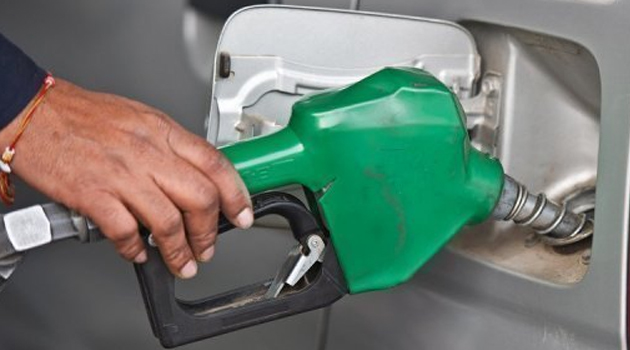
1. Petrol and diesel prices start to increase
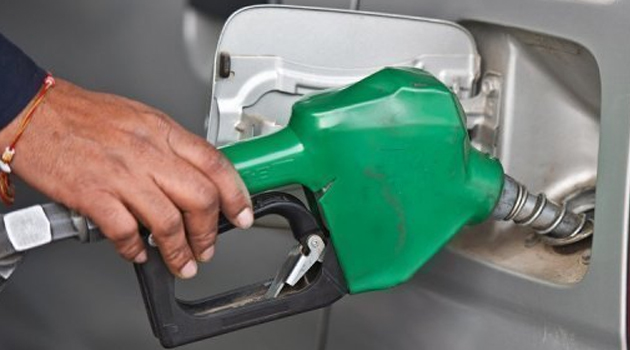
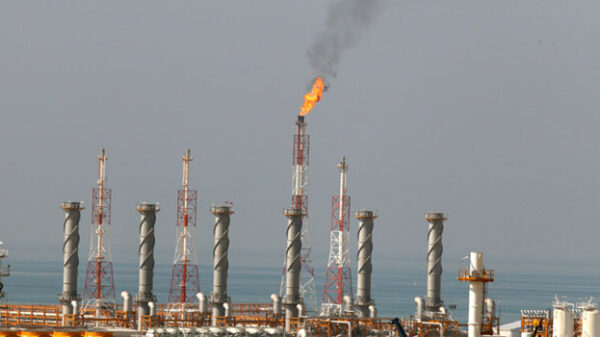
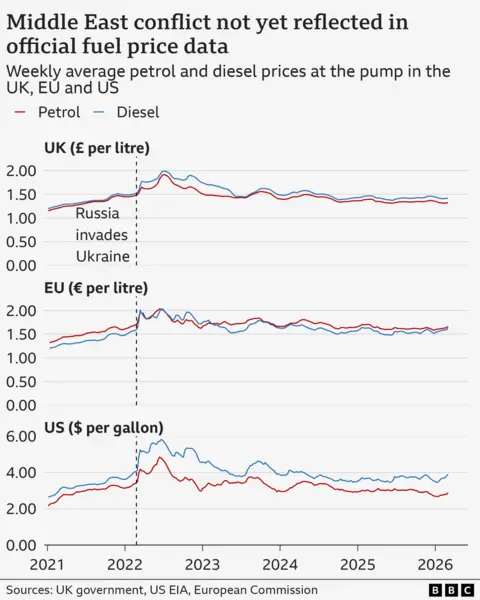
The crisis has caused an immediate rise in fuel prices, as production and transport of oil and gas across the region has slowed or stopped entirely in many cases, but it is unclear how this may play out over the coming weeks and months.
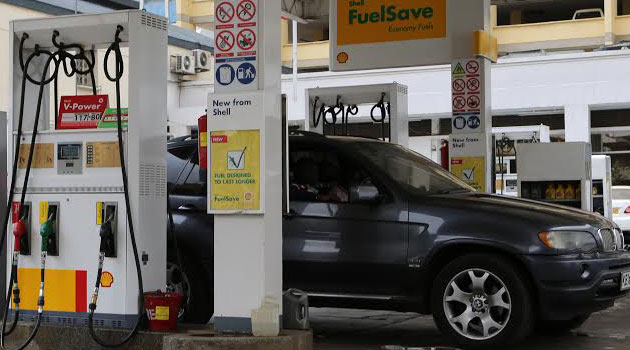
As of Monday in the UK, petrol cost an average of 132.14p per litre at the pump while diesel cost an average of 142.15p per litre, weekly official figures show.
The RAC, which tracks daily prices, said between Saturday and Thursday average prices rose by 3p per litre for petrol, and 5p per litre for diesel.
In the US on Tuesday, average petrol prices were up approximately 23 cents (17p) per gallon compared to the previous week and up approximately 41 cents per gallon of diesel over the same period.
These early increases are well below those seen in 2022 after Russia launched its full-scale invasion of Ukraine.
In the week before the invasion, unleaded petrol cost an average of 147.77p per litre in the UK. Less than fourth months later, in early July, it had jumped by more than 43p per litre.
In the US, prices for petrol and diesel peaked at over $5 a gallon in June 2022.
2. UK gas prices almost double in less than a week
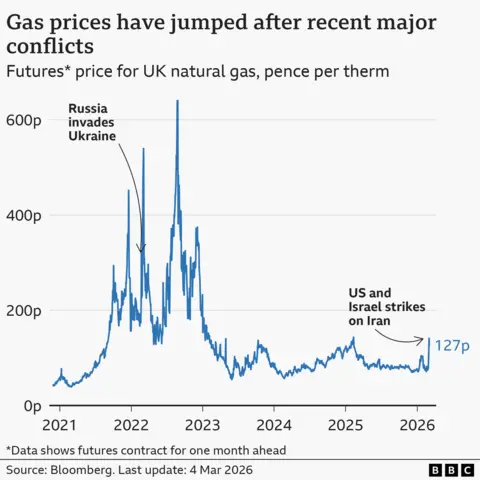
UK gas prices have almost doubled since Saturday.
The benchmark UK gas price rose above 165p a therm on Tuesday, which it last traded at a year after the start of the Ukraine war. It closed at 138p a therm, still over a fifth higher than Monday’s price, before falling to 127p on Wednesday.
There have been concerns the current crisis could have a similar impact to Russia’s invasion of Ukraine, but so far the UK gas price is significantly below the peak of more than 600p a therm experienced in 2022.
That unprecedented rise prompted the UK government to step in with an energy bills support scheme — giving millions of households £400 off their energy bills for the winter of 2022-23.
UK consumers are protected from any immediate change in global gas prices by the energy price cap, which is in place at its current level until July.
But if gas prices stay high, this could translate to a higher price cap for the summer.
3. Impact of shipping prices could hit consumers later
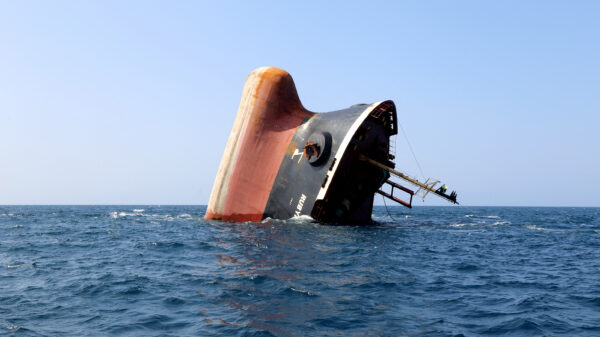
Traffic through the crucial Strait of Hormuz has almost completely stopped after Iran’s threatened to “set fire” to ships, with about 200 tankers effectively stranded.
Meanwhile, insurance premiums, particularly on vessels considered American, British, or Israeli, have risen significantly because of the perceived higher risk of attack.
Data from the London Stock Exchange Group shows the cost of hiring a supertanker to move oil from the Middle East to China reached an all-time high on Monday of more than $400,000 (£298,300) per day, almost double the cost last week.
Sanne Manders, president of logistics technology platform Flexport, says rising fuel costs means carriers are likely to start raising rates globally, not just in the Middle East, as transport becomes more expensive.
The vast majority of the world’s traded goods are transported by sea. According to the International Monetary Fund (IMF), shipping costs are an “important driver of inflation”.
But while rises can affect prices of imports at the dock within a few months, the impact on prices at the cash register “builds up more gradually, hitting its peak after 12 months”, it said in analysis from 2022.
The IMF said this week it was “too early” to assess the economic impact of the Iran conflict on the region and globally, as this will depend on its extent and duration.
4. Fertiliser prices up by a fifth
Fertilisers are a crucial part of food production. They are relied upon by farmers to give crops the nutrients they need to grow enough food, and the Middle East is a major producer of key fertiliser ingredients.
The Strait of Hormuz waterway is a key route for fertiliser and for natural gas which is used to produce fertilisers. The halting of traffic there has prompted fears of shortages and increased prices.
In addition, QatarEnergy, one of the world’s biggest exporters of gas and a producer of urea for use in fertiliser, has stopped production following “military attacks” on its facilities.
The US futures price of urea was $567 a tonne on Wednesday, up 21% in a week, according to Bloomberg.
Experts say it is too early to tell if the rise in fertiliser prices will translate to higher prices on supermarket shelves and that any change wouldn’t be instant.