

























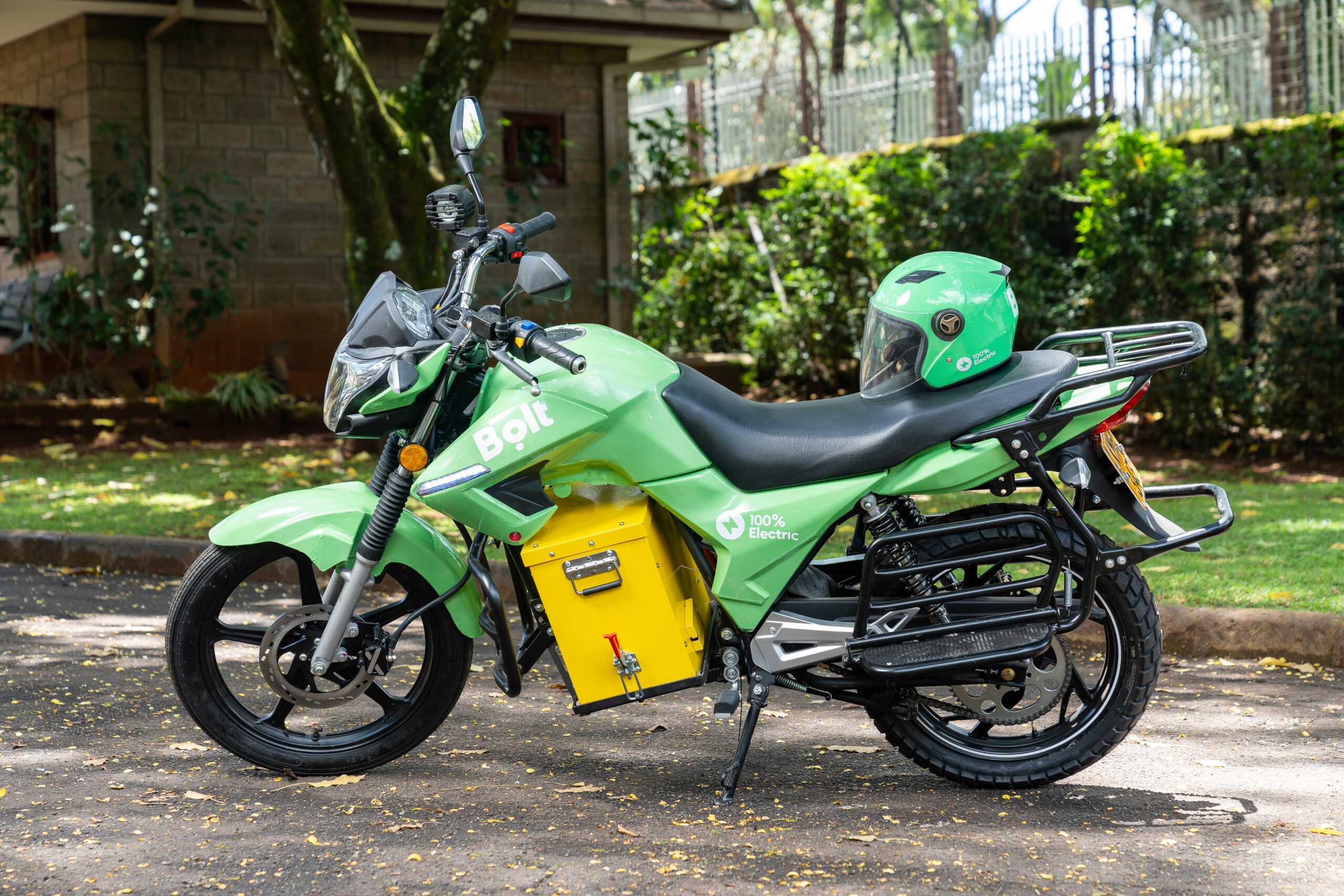

NAIROBI, Kenya, Feb 9 – Two in every 10 electric vehicles (EVs) in Kenya operate under the ride-hailing platform Bolt, highlighting the growing role of mobility apps in accelerating electric vehicle (EV) adoption, an analysis by Capital FM shows.
Out of an estimated 24,000 electric vehicles currently in use across the country, 5,808 operate on the Estonian-based ride-hailing application, representing about 24 percent of the national EV fleet.
“The launch of the E-Mobility Policy provides important regulatory clarity for a transition that is already taking place on the ground,” said Dimmy Kanyankole, Senior General Manager for Bolt East Africa.
Kanyankole noted that ride-hailing platforms are playing a critical role in scaling up EV adoption by improving access to electric vehicles, including through partnerships with financial institutions that enable drivers to acquire EVs more affordably.
“By combining income-generating use with lower operating costs, ride-hailing is helping electric vehicles reach scale much faster than private ownership alone,” Kanyankole said.
Kenya’s EV market has expanded rapidly in recent years, driven largely by strong growth in electric motorcycles. Registered electric motorbikes increased from 678 units in 2022, contributing to an estimated national EV fleet of 24,000 vehicles by 2025.
Unlike privately owned vehicles, EVs operating on ride-hailing platforms benefit from higher utilisation rates, allowing drivers to recoup their investment faster while increasing public exposure to electric transport. This model supports both income generation and the broader rollout of electric mobility in urban areas.
Bolt said it continues to engage with policymakers and industry stakeholders to support the responsible growth of e-mobility in Kenya.