















FEB 4 -PepsiCo is to cut the prices of some of its snack products in the US, following backlash against previous price hikes and pressure in the face of appetite-suppressing GLP-1 jabs.
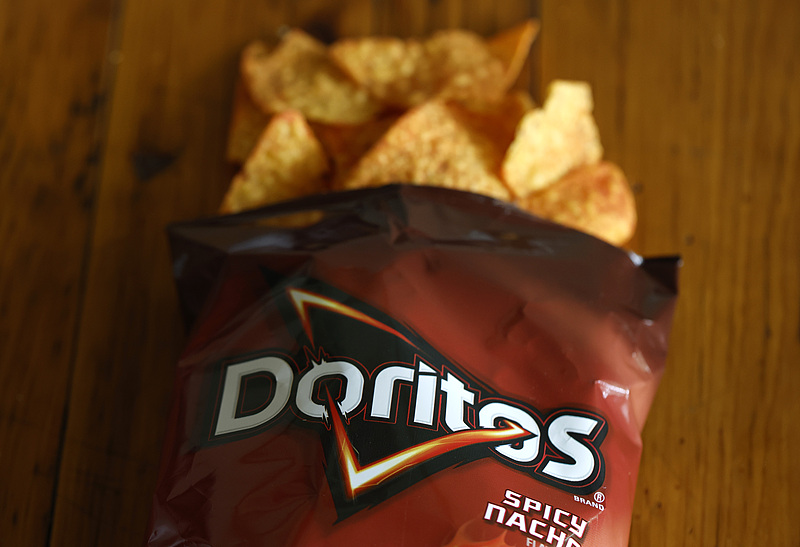
Products including Doritos, Lays (known as Walkers in the UK) and Cheetos will be cheaper in the US from this week.
The snack conglomerate said it was “listening closely to customers” who are “feeling the strain” of the rising cost of living.
Food companies are also reckoning with changing consumer appetites as GLP-1 weight loss jabs such as Wegovy and Ozempic grow in popularity, leading users to eat less.
The products in line for price cuts will not see their packaging size, ingredients or taste changed, PepsiCo promised.
But the conglomerate stressed that product prices are only recommendations, with shelf prices are ultimately set by retailers.
The price-cutting drive was deliberately launched ahead of the Super Bowl on February 8, traditionally one of the most lucrative days of the year for snack makers.
The company, which also owns Quaker Oats, Gatorade and Lipton iced tea, reported revenue of $29.34bn (£21.14bn) for the three months to 27 December.
Its chief executive Ramon Laguarta said it was “betting a lot on portion control”.
Many GLP-1 users have reported that their spending on food decreased considerably after starting the jab, as they felt a lot less hungry.
Laguarta said PepsiCo would focus more on multipacks as customers prioritised portion control. More than 70% of its food products in the US are single-serve.
The firm is also pivoting towards health-focused products, with the launch of Doritos Protein later this year.
But the company said its biggest challenge at the moment is affordability.
“We’ve spent the past year listening closely to consumers, and they’ve told us they’re feeling the strain,” PepsiCo’s US food chief, Rachel Ferdinando, said.
“Lowering the suggested retail price reflects our commitment to help reduce the pressure where we can.”
PepsiCo shares rose nearly 4% in early trading on Tuesday. They fell about 5% in 2025 and have lagged behind rival Coca-Cola for the last five years.
The company said 2026 will be a “record year of productivity savings”.
Although US inflation is easing, food companies are still facing higher costs from tariffs on materials like aluminium.
Beyond tariffs, rising labour costs and extreme weather are also pushing prices up.
Consumers have expressed ire at “shrinkflation”, where products are made smaller but the price stays the same.
Several PepsiCo products were hit with shrinkflation “warning” stickers in French supermarket chain Carrefour in 2023.
The following year, Carrefour said it would stop selling PepsiCo products in several European countries due to “unacceptable” price rises.
By BBC