

























NAIROBI, Kenya, Feb 18 – Kenya’s manufacturers have called for coordinated government support to unlock industrial growth, cut production costs and expand intra-African trade.
The appeal was made during the launch of the Manufacturing Priority Agenda (MPA) 2026 by the Kenya Association of Manufacturers (KAM).
The sector currently contributes 7.3 percent to Kenya’s Gross Domestic Product (GDP), despite its key role in job creation, exports, innovation and linkages with agriculture, services and logistics.
However, manufacturers cited high production costs, regulatory burdens, delayed VAT refunds and limited regional trade integration as major constraints.
Principal Secretary for MSMEs Development Susan Mangeni said the government remains committed to strengthening local industry as part of the Bottom-Up Economic Transformation Agenda (BETA).
She noted that BETA aims to raise manufacturing’s contribution to GDP to more than 20 percent by 2030, increase exports to 30 percent and attract up to $10 billion in foreign direct investment through value addition, SME empowerment and industrial parks.
KAM Board Vice Chair Hitesh Mediratta urged Kenya to adopt deliberate policies to protect and promote local industry, noting that in 2024 the country exported goods worth over Sh1.1 trillion, with 38.3 percent destined for African markets.
He said Kenya should fully leverage frameworks such as the African Continental Free Trade Area (AfCFTA) and the East African Community (EAC), while addressing non-tariff barriers and lowering production costs to expand intra-African trade.
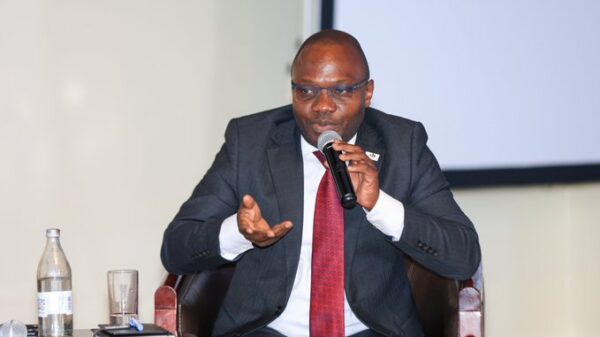
KAM Chief Executive Tobias Alando described the MPA 2026 as a practical roadmap to strengthen competitiveness, boost exports and integrate SMEs into value chains.
The agenda is anchored on four pillars: global competitiveness, export-led industrialisation, SME development and agriculture for industry, positioning manufacturing at the centre of Kenya’s economic transformation.