





















NAIROBI, Kenya, Feb 3 – Kenya is stepping up efforts to grow livestock and livestock product markets under the De-risking, Inclusion and Value Enhancement (DRIVE) Project, a government programme aimed at improving access to finance, markets and private investment.
The project focuses on pastoral and agropastoral areas, where livestock is the main source of income. It seeks to help farmers access credit, connect to reliable markets, improve storage and cold-chain facilities, and support profitable livestock businesses.
Livestock plays a major role in Kenya’s economy. It supports millions of households and contributes about 12 per cent of national GDP and over 40 per cent of agricultural GDP. According to the 2025 Economic Survey, earnings from livestock rose to Sh235 billion in 2024, driven by strong sales of meat and dairy products.
Despite this growth, the sector still faces challenges such as weak market links, poor aggregation, limited export facilities and climate-related risks.
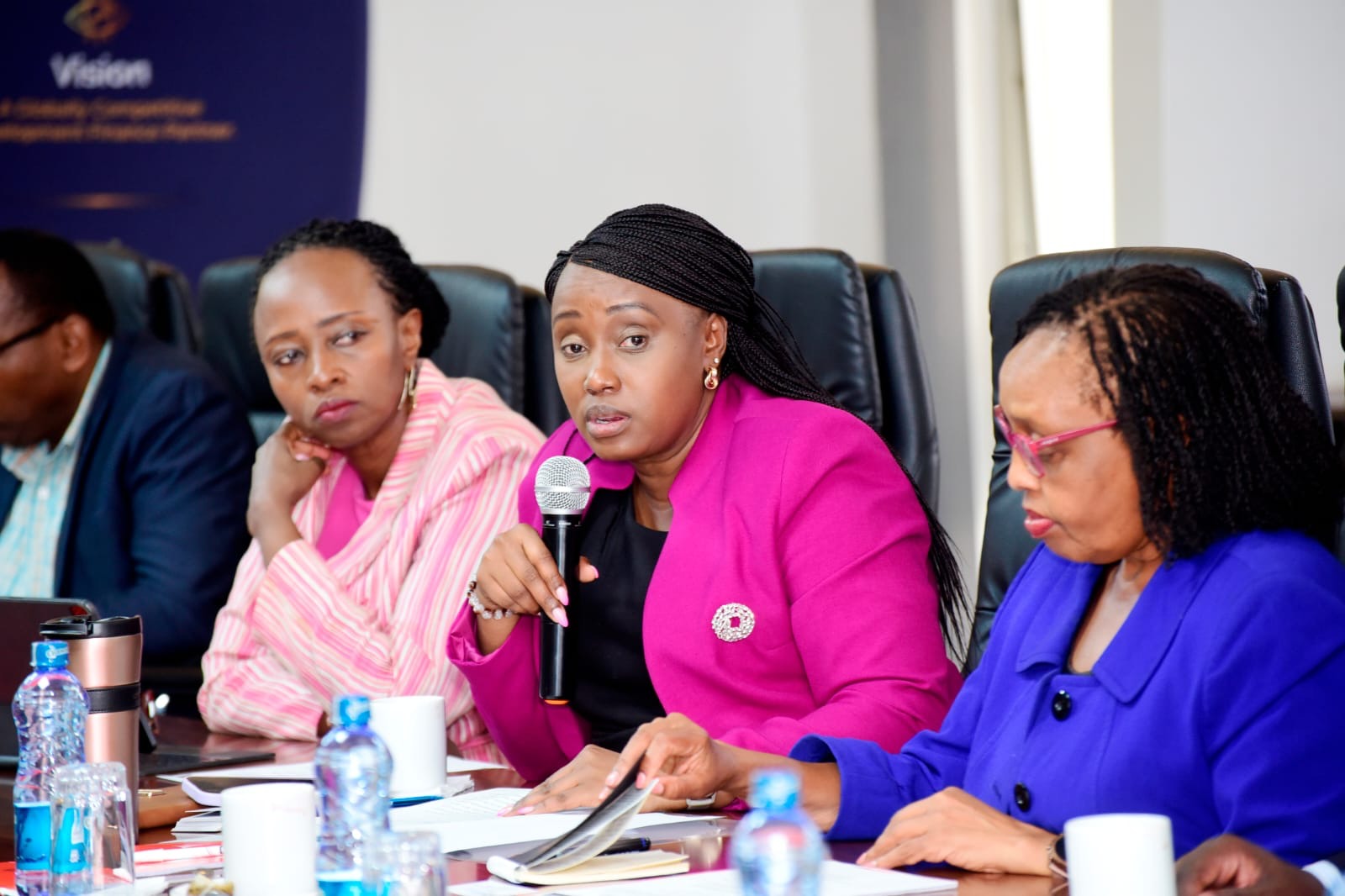
These issues were discussed at a DRIVE Breakfast Meeting hosted by the Kenya Development Corporation (KDC) in Nairobi. Stakeholders explored ways to expand livestock markets by improving aggregation, strengthening cold storage systems and linking drought resilience to commercial opportunities.
The government said it is working to improve policies and regulations to support livestock exports. Phyllis Kandie, Advisor on Market Linkages for Trade, said better coordination across production, trade and quality systems is key to opening new markets.
KDC Director General Norah Ratemo said financing under the programme has grown steadily, with disbursements increasing from Sh185 million to Sh852 million over the past three years across 15 arid and semi-arid counties.
She also highlighted the launch of KDC Mifugo Cash, a digital credit product developed with Safaricom. The pilot targets 5,000 pastoralists, offering unsecured loans for livestock inputs through M-PESA.
The World Bank, a key partner in the project, said DRIVE is helping pastoral communities turn climate resilience into economic opportunity. James Sinah, the World Bank’s DRIVE Task Team Leader, said the project connects households to finance and markets while reducing risks.
Insurance was also highlighted as critical to protecting livestock producers. ZEP-RE CEO Hope Murera said insurance under the DRIVE programme helps stabilize incomes and protect herds from climate shocks.
The Agricultural Finance Corporation (AFC) said demand for livestock financing is growing, with DRIVE funds already supporting over 130 clients and creating jobs.
Stakeholders called for more investment, stronger cooperatives, better animal health systems and improved export-ready value chains to make Kenya’s livestock sector competitive, resilient and attractive to investors.