




















By Dr. Robert Nyarango
MAY 31 – Kenya is experiencing an acute medical practitioner shortage. According to the Kenya National Bureau of Statistics (KNBS), 19 doctors serve every 100,000 people. This results in a doctor-patient ratio of 1:5,263, which is far from the World Health Organization’s recommendation of one doctor per 1,000 people. This exacerbates the disparities in healthcare access and delivery. According to a study conducted by the Kenya Institute for Public Policy Research and Analysis, there are significant disparities in the availability of healthcare infrastructure, healthcare worker distribution, and medical equipment and consumables in Kenya. Inequitable access is caused by a variety of factors, including geographic challenges and income disparities.
Given the country’s growing population, there is an urgent need to close gaps in healthcare access. Telemedicine is one of the most accessible tools for increasing reach and lowering costs. Technology has advanced by leaps and bounds over the last few decades, making cybercommuting a viable option. Consider how many people, particularly since the introduction of COVID-19, live in Kenya while working for countries all over the world; why can't the same be true for medical professionals?
Advances in medical equipment, video conferencing, and internet access are making it cheaper and
faster to send data from one end of the country to another. The increasing availability and speed of
broadband and mobile internet mean that data is moving faster than ever before, allowing high-
definition video to be transferred in real time.
By leveraging enhanced data transfer capabilities and specialized instruments to measure various vital functions, Gertrude’s Children’s Hospital has been able to provide specialised paediatric care to over 10,000 children across five counties. Doctors at Muthaiga’s main hospital provide real-time consultation and testing for children from Lamu, Homa Bay, Samburu, Baringo, and Narok Counties as part of the Daktari Smart program, a collaboration between the Gertrude’s Hospital Foundation and the MPESA Foundation.
Looking ahead, the partners intend to expand the project to reach more than 5 million children in the region over the next few years. However, a multi-stakeholder approach is necessary for these efforts to succeed. Among the most critical aspects, finances top the list of the important issues that must be addressed. While the project has been funded by donors thus far, it will require a more sustainable financing model to be viable on a larger scale. As Universal Health Coverage continues to dominate public discourse, it is critical to consider ways to incorporate telemedicine into initiatives like the Social Health Insurance Fund. This will necessitate policy-level answers to questions such as how telemedicine consultation fees are determined and who pays for them.
Fortunately, the Ministry of Health is already considering such concerns and has held robust stakeholder engagements, including discussions about the launch and expansion of telemedicine support programmes.
Physical infrastructure and human capital capacity are two additional factors to consider. While Daktari Smart’s partners have covered the costs of everything, including the equipment, internet connection, and healthcare worker training, more investment in training and capacity building from multiple parties is required in the future.
In conclusion, multi-stakeholder investment in health technology, particularly telemedicine, is a viable and cost-effective strategy for increasing healthcare access. Healthcare industry stakeholders must consider what financing, training, and service delivery might look like in the twenty-first century, as well as incorporate technological interventions to effectively bridge distances and connect people to the care they require.
The Daktari Smart programme’s success demonstrates this potential, demonstrating significant life-saving impacts while also reducing the travel and lodging costs that many families face when consulting specialists.
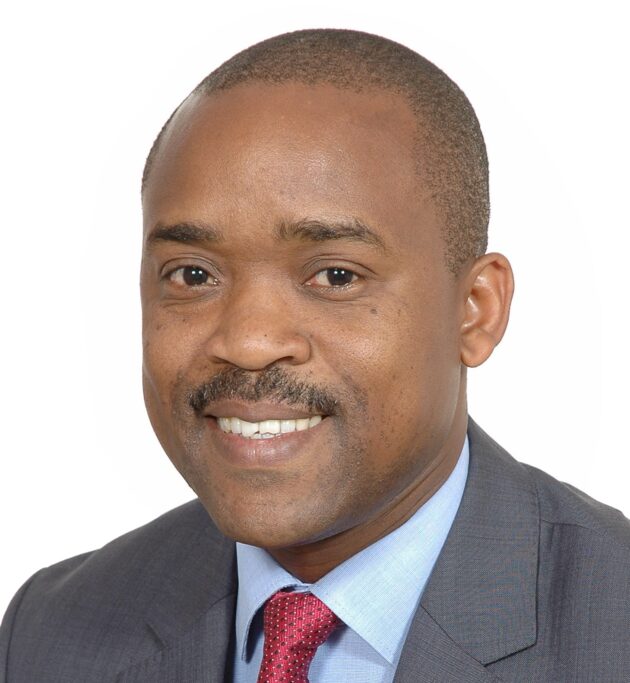
Nyarango is the CEO of Gertrude’s Children’s Hospital. Rnyarango@gerties.org