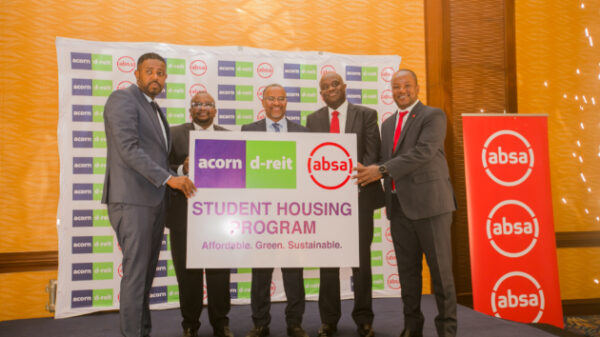
























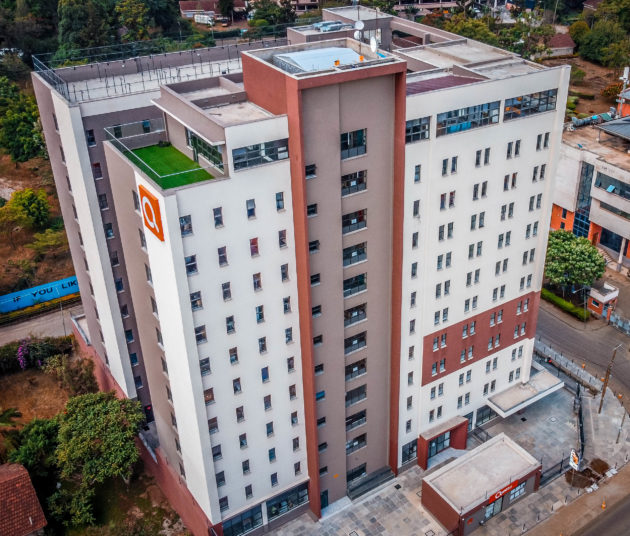

WASHINGTON D.C., USA, May 24 – Student hostel developer Acorn Holdings has secured Sh23.6 billion from the U.S. Development Finance Corporation for affordable student housing.
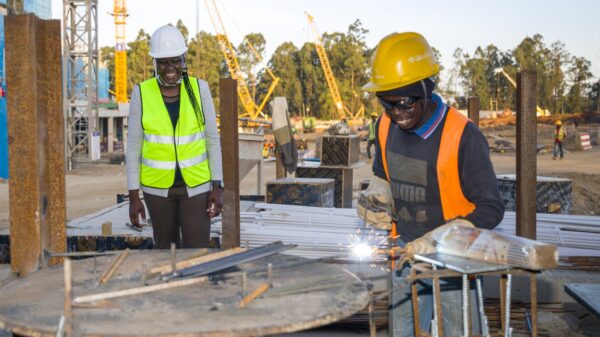
The fund will be used to develop 35 less costly student housing units in the country, adding an additional 48,000 student beds to Acorn’s portfolio and creating about 50,000 jobs.
Up to $90 million will go to the Acorn Student Accommodation Development-Real Estate Investment Trust (ASA DREIT) for use in the construction of the new PBSAs.
Acorn says it will use the funding to secure over $380 million and will also crowd in over $315 million in financing from the Kenyan capital markets, including domestic pension funds and asset managers, for a total blended financing of $700 million over the 18-year life of the transaction.
“We are immensely proud to be signing this landmark deal with the U.S. Development Finance Corporation for the expansion of our affordable student housing offering in Kenya, which accords Acorn the opportunity to continue contributing positively to Kenya’s affordable housing agenda,” Acorn Holdings Chief Executive Officer Edward Kirathe said in Washington, D.C., during the signing of the deal.
“By being Africa’s largest-ever deal of its kind, it asserts Acorn’s commitment to the development and provision of safe and affordable housing for students in Kenya, whilst confirming the tremendous confidence the U.S. DFC has in Acorn and by extension, the opportunities in the country.”
The financing deal, which will be repaid in 18 years, involves MIDA Advisors as lead arranger and advisor, Stanbic Bank as joint lead arranger and lender, Prosper Africa and USAID providing technical assistance support, and Morrison Foerster, HillStern & Morley, IKM Advocates, and TripleOKLaw Advocates as legal advisors.
“As part of our sustainability program, all projects under this facility will carry the International Finance Corporation’s Excellence in Design for Greater Efficiencies (IFC EDGE) ADVANCED Certificate – contributing 40 percent reduction in Energy and Water utilization, as well as materials with less embodied energy compared with conventional buildings.”