
























By Gladys G. Njoroge
NAIROBI, Kenya, Mar 21 – Since time immemorial, women have been underrepresented in science, technology, engineering and mathematics (STEM). While progress has been made towards gender parity and the implementation of policies in various areas, the STEM field continues to struggle with female underrepresentation.
This gender gap not only denies women the opportunity to bring different perspectives and talents to the table, but it also impedes the effectiveness and accuracy of data-based decision-making. Now more than ever it is essential to overcome these obstacles and create pathways for women to thrive in statistics.
In Kenya, like many other parts of the world, women in science, technology,
engineering, and mathematics (STEM) fields are still under-represented. According
to recent Kenya National Bureau of Standards (KNBS) data, only 30% of STEM
professionals in Kenya are women.
This is not only a result of gender inequality, but also a missed opportunity to unlock the full potential of human capital. Women make up less than 30% of those enrolled in universities. This percentage is even lower in specific fields such as Engineering and Information and Communication Technology (ICT). While health sciences have a higher percentage of female students, there is a worrying “leakage” of girls losing interest in STEM during their education.
The KNBS data highlights the need for early interventions to motivate girls and close
the gender gap in Kenya STEM. Increasing diversity in STEM fields, particularly by including more women and people from underrepresented groups, is crucial.
Diverse experiences and backgrounds lead to a wider range of perspectives when approaching problem-solving and data analysis. This fosters a more inclusive scientific and technological landscape, ultimately resulting in more comprehensive and impactful solutions.
Furthermore, tackling the urgent problems facing our society requires a greater
presence of women in STEM fields. Data is essential for guiding policies and
interventions in a variety of fields, including healthcare, education, economics, and
environmental sustainability.
One runs the danger of missing important details that disproportionately affect women and other marginalized groups if there aren’t a variety of viewpoints represented in the data and statistical analysis. We can close these disparities and guarantee the efficacy and equity of data-driven solutions by encouraging more women to seek jobs in statistics.
Fostering gender diversity in STEM fields is not only a social justice issue, but also a
business need. Research indicates that businesses and establishments with a varied
workforce perform better than those with a less diverse workforce.
Businesses can improve innovation, problem-solving, and overall performance by utilizing a larger talent pool. Within the statistical domain, this entails obtaining fresh perspectives, enhancing the calibre of data, and finally promoting more effective decision-making procedures throughout many economic domains.
However, it will take coordinated efforts from several stakeholders to remove the
obstacles preventing women from participating in statistics. It begins with tackling
cultural norms and institutional prejudices, including statistics, that deter women
from pursuing professions in STEM fields. Nurturing talent and promoting inclusion
need that aspirant women in STEM be given mentorship, training, and support
systems.
Additionally, initiatives to advance gender equality in STEM education and
employment must also be put in place by legislators and educational institutions.
This entails funding outreach initiatives, mentorship programs, and grants designed
to inspire young girls to pursue education and employment in statistics and related
subjects.
The underrepresentation of women in STEM is a complex problem that has to be
addressed immediately. We can fully realize the potential of more women enrolling
in STEM programs and use data to influence positive social change by dismantling
barriers and promoting an inclusive atmosphere. It’s not just about achieving gender parity; it’s about leveraging diversity to create a more equitable and prosperous future for all.
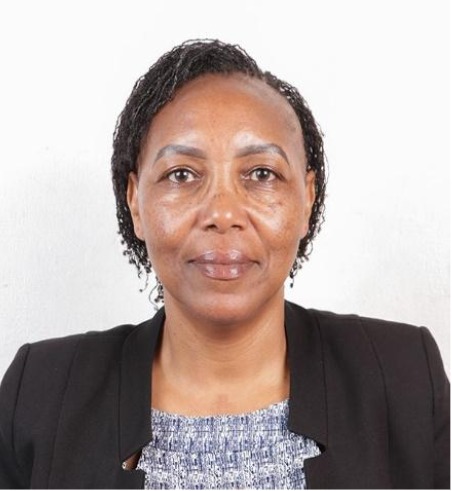
The writer is a Senior Lecturer of Biostatistics at USIU Africa.