











NAIROBI, Kenya, Nov 11 – World leaders are gathering this week in Sharm el Sheikh, Egypt for the COP27, this year’s edition of the annual U.N. climate summit, following a turbulent year that saw a fossil fuel “gold rush” following Russia’s invasion of Ukraine and a spate of climate change-driven natural disasters.
The conference’s African setting is highly symbolic, with climate finance support from industrialised countries to climate-vulnerable countries in the global South set to top the agenda.
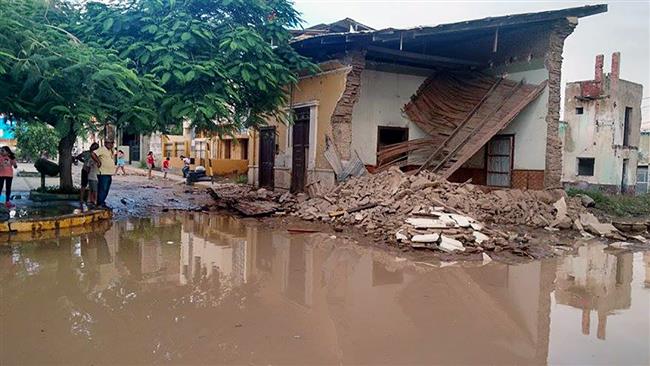
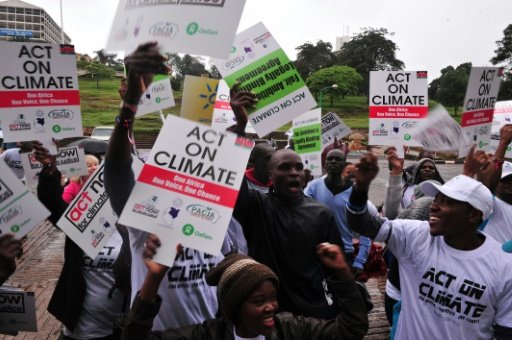
Climate change is fuelling increasingly frequent and severe extreme weather events, putting the lives of millions at risk while generating enormous losses in developing countries that contribute the least to climate change and lack the resources to mitigate its effects. UN Secretary-General António Guterres has aptly laid out the urgency of this “tipping point” situation at COP27, declaring that the world can either “sign a climate solidarity pact or a collective suicide pact.”
All actors across the public and private sectors must therefore come together to boost climate action investment. Crucially, this cooperation must recognise developing countries’ disproportionate burden while mobilising their climate leadership and wealth of natural resources that can help fuel the global green transition if extracted sustainably.
Caught in the eye of the storm
Global climate action is lagging primarily due to woefully inadequate finance. Developed countries are far behind on a $100 billion annual climate finance commitment from 2020 to 2025, making it doubtful that the cumulative $600 billion target for this period will be met. Beyond the funding gap, the imbalance of climate finance towards mitigation and emissions reduction – roughly 72% – results in a dearth of investment in adaptation, resilience and “loss and damage” most urgently needed for developing countries in the line of fire.
This insufficient, skewed investment is feeding an increasingly menacing threat. According to a recent UN report, billions of people live in climate vulnerability “hotspots” across Africa, Asia and South America, with millions of lives at risk. What’s more, the global South faces a disproportionately harsh impact on GDP as a result of the crop-killing droughts and heatwaves, floods and rising sea leaves driven by climate change.
Encouraging signs of initiatives led by developing countries are emerging, such as the rainforest alliance that Brazilian President-elect Lula has proposed to establish with Indonesia and the Democratic Republic of Congo (DRC) to protect the vital “green lungs” of these three countries. But to realise governmental climate ambitions, the private sector’s participation will be key.
DRC’s potential for green transition
Given its wealth of natural resources, the DRC will be a critical partner in these kinds of initiatives. In addition to the Congo rainforest – the world’s second-largest rainforest and a more efficient absorber of CO2 than the Amazon – the DRC’s vast mineral reserves will play a key role in the green transition. Minerals such as copper and cobalt that the DRC possesses in abundance are crucial inputs in the electric vehicle (EV) batteries needed to decarbonise transport and accelerate the global green transition.
But the extraction of these minerals can itself contribute to climate change through fossil fuel-based energy consumption. Fortunately, some of the DRC’s largest mining companies are taking action to develop more sustainable ways of extracting these critical minerals, thereby maximising their de-carbonisation impact. Mining giant CMOC, for example, is investing through its majority-owned subsidiary Tenke Fungurume Mining (TFM) – the DRC’s second largest cobalt producer—in renewable energy sources to sustainably meet its growing energy needs fuelled by the expansion of operations in Tenke Fungurume mine to keep pace with soaring green transport demand.
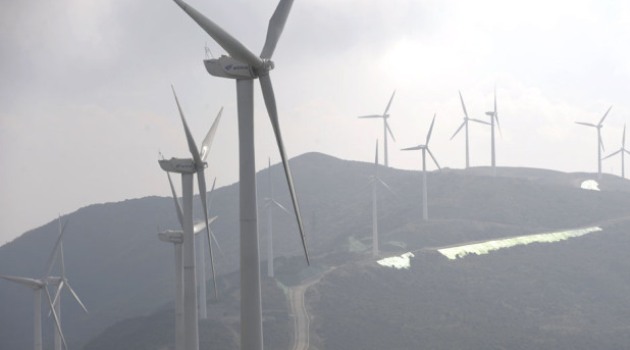
While it will continue existing hydropower investments and supply arrangements, CMOC is exploring new hydroelectric and solar power projects to invest in, with Vice Chairman and Chief Investment Officer Steele Li expressing the company’s belief that hydropower in particular “will be one of the main areas when we are talking about green energy” as the world shifts away from fossil fuels.
Reconciling environment and economy in Indonesia
Like the DRC, Indonesia is blessed with minerals and rainforests key to the green transition, yet highly exposed to climate change and seeking to reconcile economic and environmental needs. Indonesia is the world’s leading producer of nickel, another key component in EV batteries whose demand is skyrocketing. Recognising nickel’s potential to fuel homegrown, high-value and job-creating downstream industries, the Indonesian government is attracting major global investment in nickel processing, including a $9.8 billion EV battery deal with South Korean LG Energy Solution, while also in talks with Tesla.
Yet the Government is intent on pursuing this development in a sustainable manner, and the private sector has heeded the call. PT Vale Indonesia, a subsidiary of Brazilian multinational mining company Vale SA and operator of Sorowako Mine, the country’s largest nickel mine, has taken a range of actions to reduce its environmental footprint given its product’s role in tackling climate change. While using low-carbon energy sources for its nickel mining and processing is a key part of its efforts, PT Vale is also going to great lengths to offset the toll that its operations take on surrounding areas.
These post-mining land rehabilitation activities include reforestation, biodiversity management – which involves identifying species affected by its mines and relocating them to safe locations – and limiting the amount of land that it opens for mining. To deliver these green initiatives, PT Vale invests millions of dollars annually, demonstrating the type of commitment needed on a global scale to accelerate climate action.
With the climate situation spinning out of control, COP27 must act as a megaphone for the dire challenges facing the global South. Given the industrialised North’s failure to meet past finance obligations, it is now essential that actors around the world contribute to adaptation and mitigation efforts. Developing countries are emerging as ambitious leaders with key solutions to drive the necessary change, but they will need continued private sector support to unlock their full potential.