
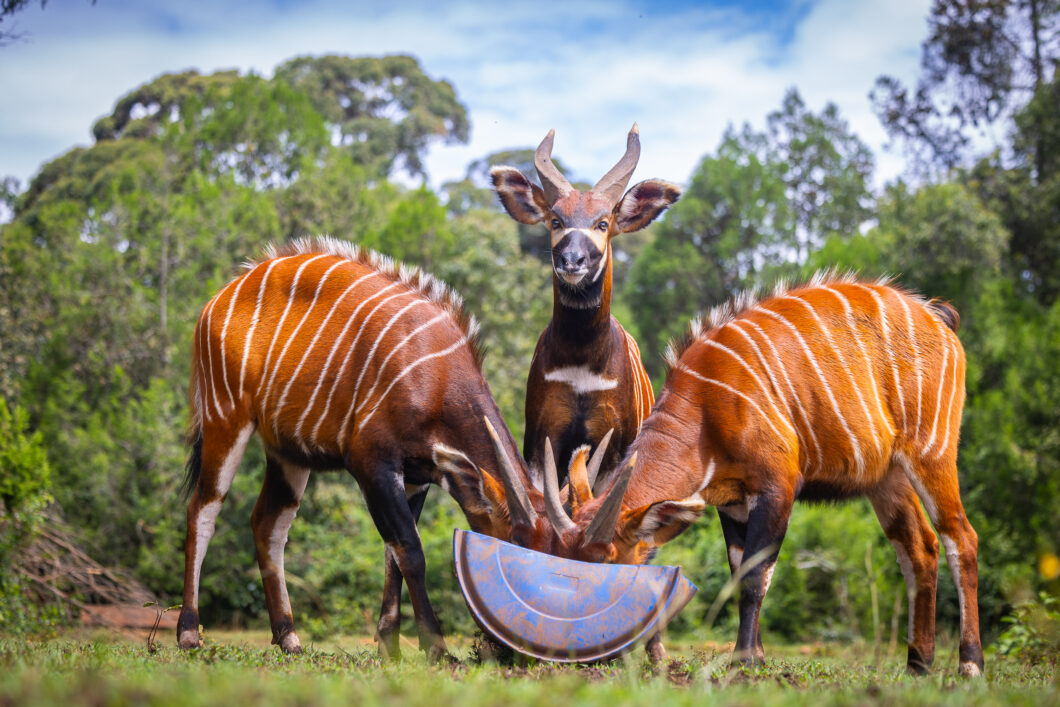
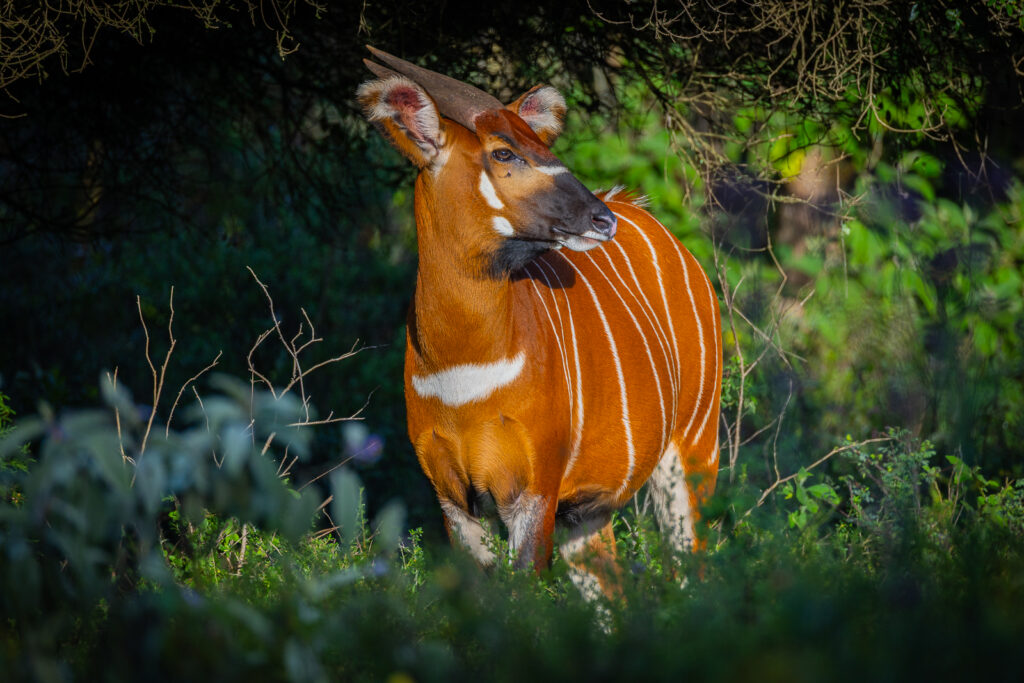
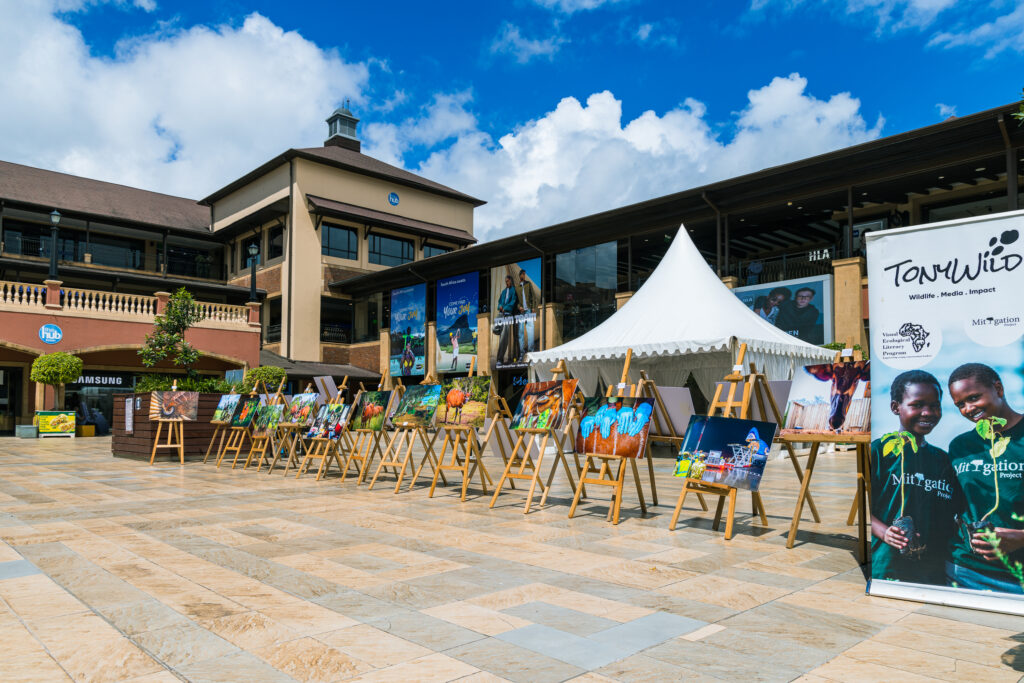
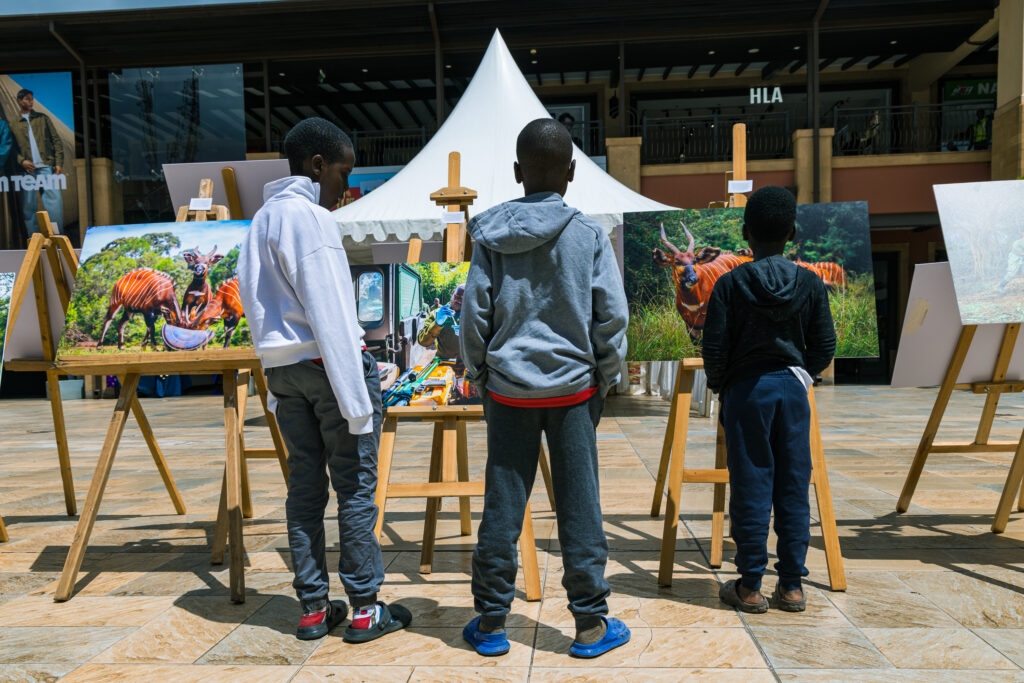
World Bongo Day was marked on May 31, and The Hub Karen will hosted a Mountain Bongo photography exhibition featuring images documenting the critically endangered species over the years.
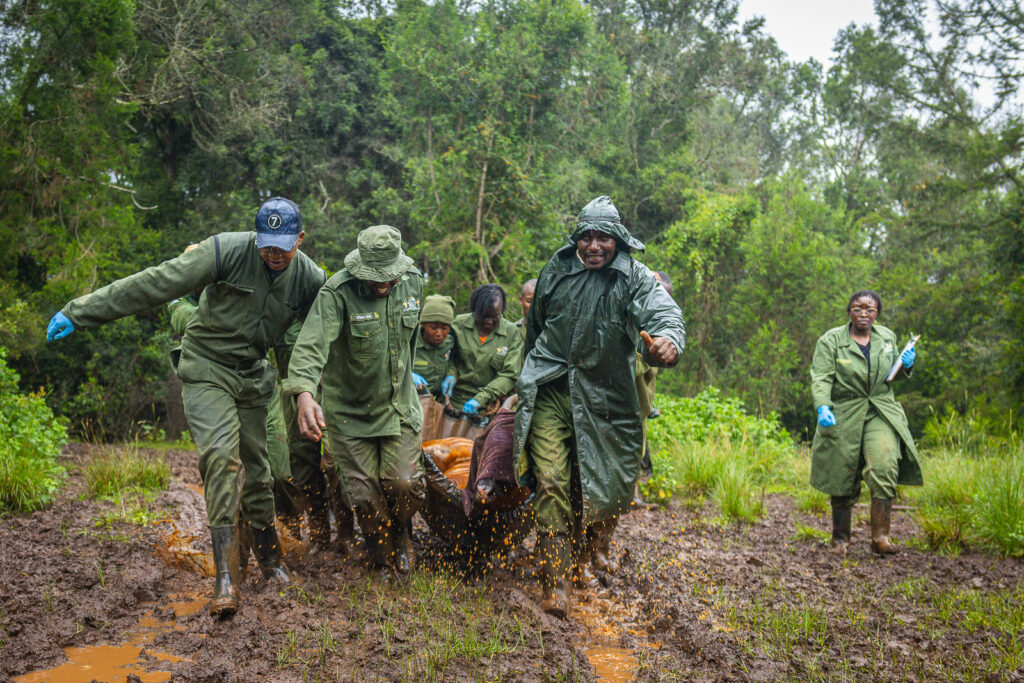
This came at a significant moment for conservation efforts, as Mount Kenya Wildlife Conservancy (MKWC) recently welcomed four male Mountain Bongos from a zoo in the Czech Republic, bringing the conservancy’s total population to 102 bongos at the conservancy.
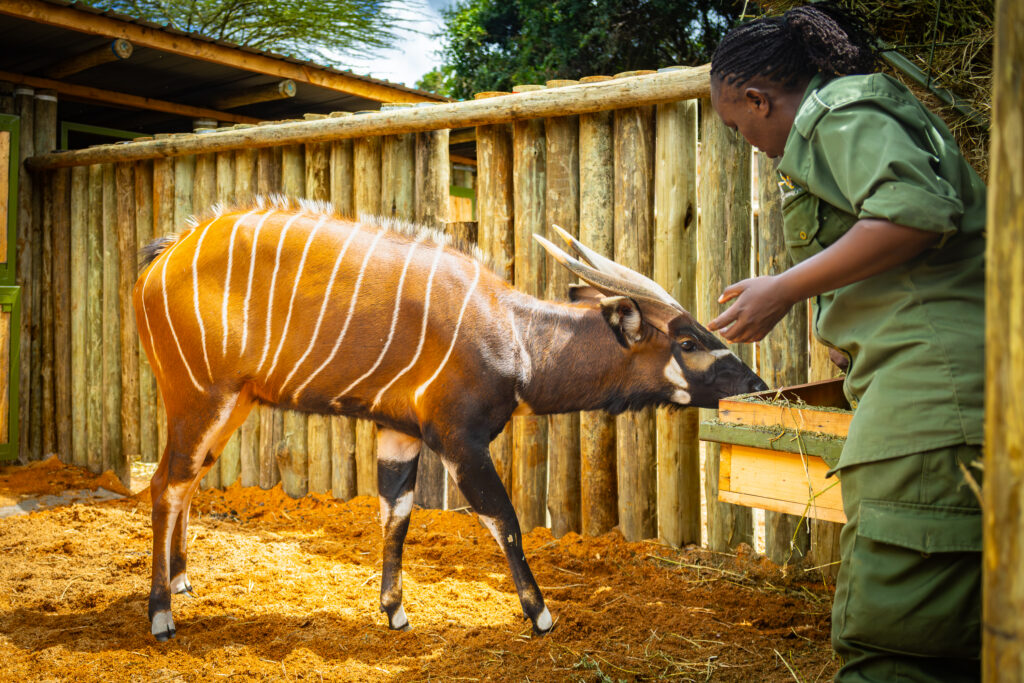
The Kenya Wildlife Service, together with private sector partners, continues to support the conservation of the critically endangered Mountain Bongo through the repatriation of the individuals from European zoos to strengthen the gene pool of the existing population at MKWC.
However, one of the biggest challenges facing conservation efforts is limited public awareness. Many people have never seen or even heard about the Mountain Bongo, one of Kenya’s rarest antelope species.
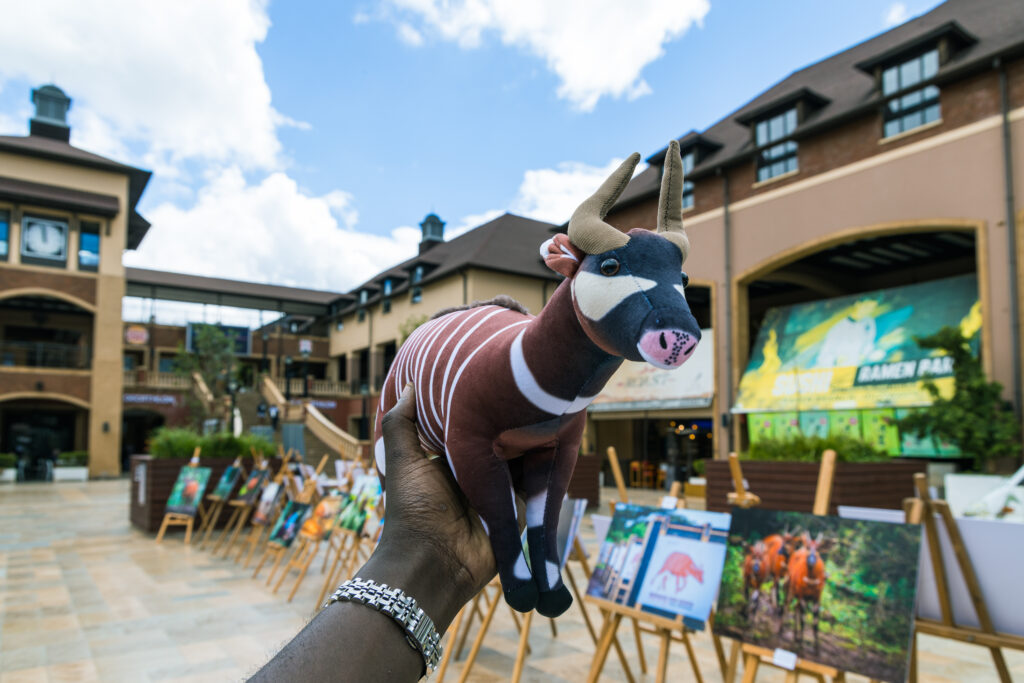
To mark World Bongo Day, MKWC, in partnership with The Hub Karen, showcased a photography exhibition aimed at raising awareness about the species and inspiring public interest in its conservation.
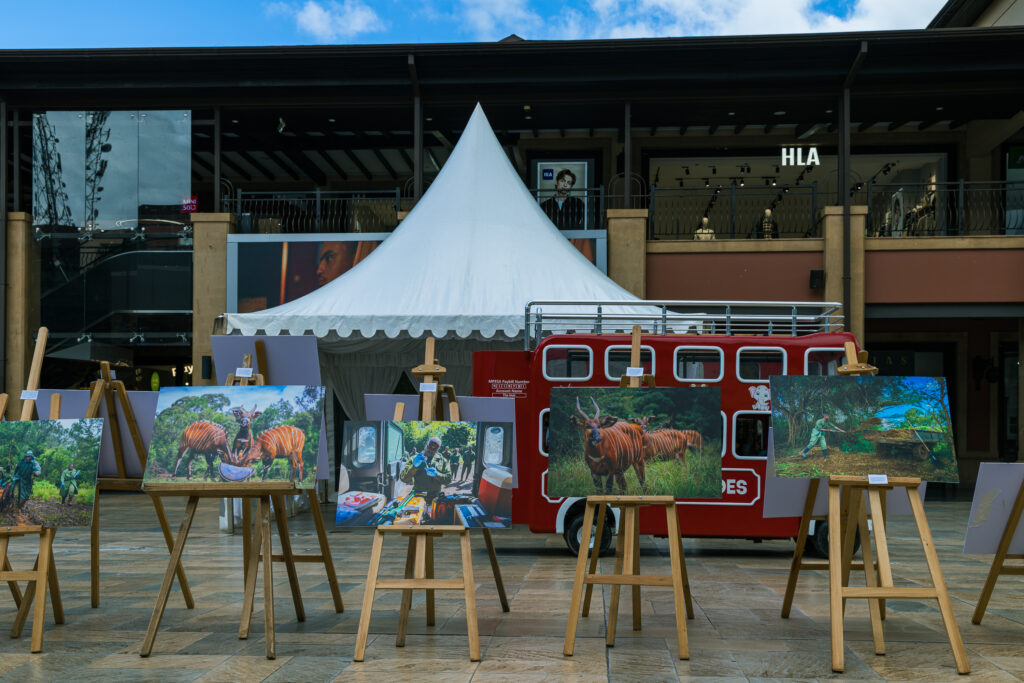
The exhibition also provided an opportunity to feature conservation photographer Tony Odhiambo alias Tony Wild, who has spent years documenting the Mountain Bongo, from dense Kenyan forests to international repatriation journeys overseas.
Capital Lifestyle caught up with Tony Wild for a candid conversation on his work, the future of the Mountain Bongo and a sneak peek into what the future looks like:
- Why do you think Kenyan natives are so uninformed about the Mountain Bongo?
The definition of wildlife to Kenyan Natives has been limited to the big 5, and this is not the true definition of wildlife; wildlife is all undomesticated animals, plants, and other organisms living in the wild without human intervention or cultivation. It encompasses everything from mammals and birds to insects and fungi, and represents a crucial component of global biodiversity and ecological balance.
This definition is not widely known among Kenyans, so it limits understanding of what a Mountain Bongo is. In addition, the Mountain Bongos have been so few and rare to see, making them unknown to most native Kenyans.
- What would you hope becomes of the Mountain Bongo species in the next 10 years?
In the next ten years, I would want to see more than just the numbers of Bongos in the wild increase, but our own people, us Kenyan take charge of protecting our forest, especially those that are Bongo habitats, and this is not just limited to restoration but ensuring our forest policies favor the protection of Bongo habitats.
- Beyond photography, how else would you propose that a government body like KWS ensure that awareness is raised?
KWS is already doing an amazing job of creating awareness on social platforms, and what is needed is an education approach that shifts behavior, where Kenyans understand that wildlife belongs to them and that we need to conserve them not just as a tourism product but as a way of life.
- Do you intend to showcase your work beyond Kenyan borders? If so, where?
My hope is to showcase the work to areas where Bongos are found to understand if our communities really know they have this beautiful gift in the forest, and then later have it exhibited in major global festivals.
- What’s your message to aspiring photographers dreaming of capturing other endangered species?
You need to get into the space with a clear purpose on what impact you wish to achieve. This will always give you the drive to keep creating and impacting people around you and across the globe, without losing your North star. - What has your experience in wildlife (conservation) photography been like, and would you consider it a viable career opportunity for other creatives?
My experience in conservation photography has been more a learning opportunity, and one that has made me be curious not only about the wildlife and people I photographed, but also about my purpose in life. It is a career that is very important because we need to tell our own stories and we have so much wildlife and people working in wildlife whose stories that are not told, so we need to tell them. - What inspired you to start documenting the Mountain Bongo?
I had seen the mountain Bongo at the Mount Kenya WIlldife Conservancy before and I was curious to see a wild one, so during an assignment I got a chance to visit Eburu and Mau Narok forest to document the rangers patrolling the forest and whilst research on the mountain Bongos. We searched for the Bongos in futility, which made me realize how paramount it is to document so that people understood that they really are less than 100 in the wild, and if we do not conserve our forest and support the rewildling program, they would be extinct in no time. My role and responsibility is to share with you all and especially or policy leaders to step back and review their actions towards protection of natural resources in our country.
- Why is the Mountain Bongo considered one of Kenya’s most endangered species, and how many remain today?
The Mountain Bongo is Critically Endangered on the IUCN Red List, with fewer than 100 and possibly as few as 50 individuals remaining in the wild, all of them in Kenya, scattered across four isolated forest ecosystems: Mount Kenya, the Aberdares, Eburu Forest, and the Maasai Mau. The species has experienced one of the steepest population declines of any animal, driven by decades of unrestricted hunting, poaching, habitat loss, and disease. The situation is so dire that more Mountain Bongos now live in captivity in Europe and North America than in their native Kenyan forests, making conservation programmes like the one at Mount Kenya Wildlife Conservancy, and awareness efforts like your exhibition, genuinely critical to the species’ survival. - What challenges have you faced while photographing the Mountain Bongo in its natural habitat?
(Laughs) I have yet to photograph one in the wild; they are very reclusive, shy animals. When shooting at the conservancy, you have to be calm and camouflaged to capture a good image. My hope is to spend more time in their natural habitat to photograph them. - How important are photography and storytelling in raising awareness and advancing wildlife conservation efforts?
You cannot conserve what you cannot see, so photography and storytelling are two ways to get to tag at people’s hearts. For instance, I am certain that our political class are not privy to the fact that Bongos are less that 100, but when you do an exhibition in parliament and start the conversation, awareness will be created. The aim set is for the Bongo population to be 750 in the wild in 50 years, a target set by Kenya Wildlife Service and conservation partners like Mount Kenya Wldlife Conservancy. - What message do you hope Kenyans and the global audience will take away from this exhibition?
The Mountain Bongos need our forests to be conserved for them to survive, but we also need to support the rewilding program to increase their numbers. I believe Kenyans know what is right; we just need to act and support the government and conservation organizations in their efforts. Most importantly, our behavior change towards wildlife conservation should be part of who we are, not a byproduct of tourism alone. - Is your work available for purchase, and how can members of the public engage with your photography?
My work is available for purchase, and most of the profits mainly go towards supporting the passionate individuals who work day to day with these animals to continue supporting Bongo conservation. - How do you see the future of photography and storytelling contributing to wildlife conservation?
When Africans tell wildlife stories, Africans will redefine the way they look at wildlife, and a huge behavior change will be experienced where we live in harmony with wildlife like we used to in the old days, but with a twist of modernity.