
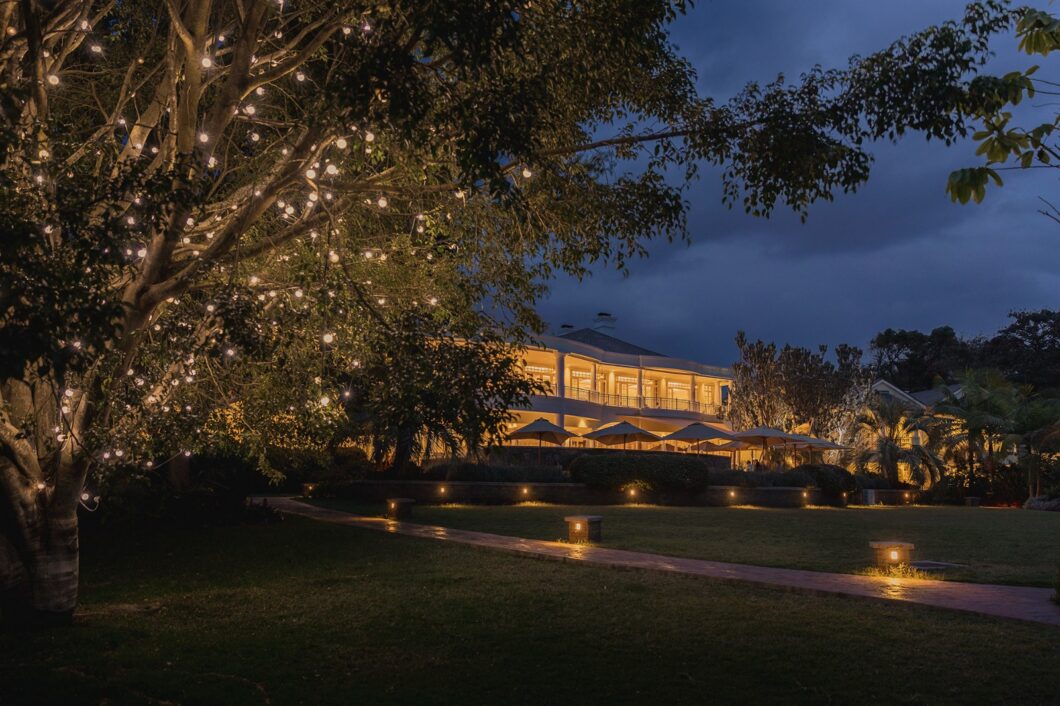
In a hospitality industry still recalibrating after years of global disruption, Hemingways Nairobi and Hemingways Eden Residence are quietly charting a path that blends growth with intention, sustainability, and personalised guest experiences.
At the centre of this evolution is Longa Mulikelela, Cluster General Manager overseeing both properties. His leadership philosophy reflects a broader shift in hospitality across East Africa, one that prioritises purpose, flexibility, and authenticity over expansion for its own sake.
Nairobi as the Anchor of Regional Growth
For Hemingways, Nairobi is more than just a location. It is a strategic gateway to East Africa’s business, diplomatic, and travel ecosystem.

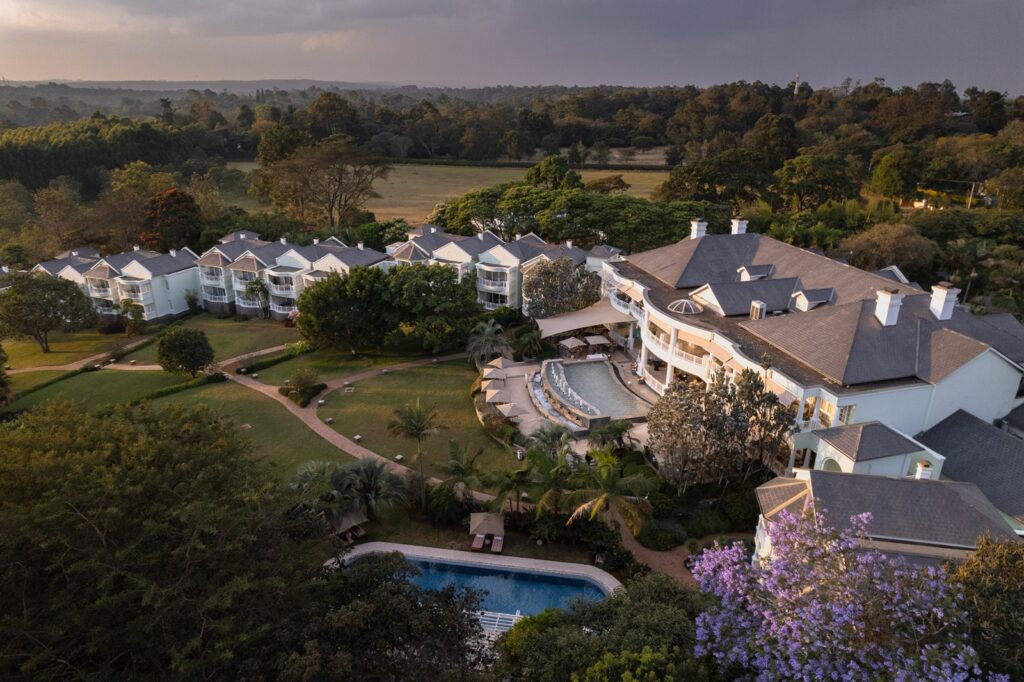
Mulikelela explains that maintaining a strong presence in the city has been central to the brand’s regional growth ambitions. While Hemingways Nairobi offers a refined luxury hotel experience, Eden Residence provides a contrasting yet complementary environment that caters to guests seeking privacy, wellness, and a more residential atmosphere.
The dual-property approach allows the brand to accommodate diverse traveller expectations without compromising its identity. Rather than focusing on rapid expansion, Hemingways has prioritised developing properties that feel authentic to their environment and relevant to the evolving ways people travel and live.
Navigating a Changing Hospitality Landscape

The past two years have presented both uncertainty and opportunity for the hospitality sector. According to Mulikelela, one of the biggest challenges has been adapting to shifting travel patterns.
While demand has returned, guest behaviour has changed significantly. Today’s travellers increasingly combine business and leisure, seek longer stays, and place greater emphasis on comfort and consistency.
These evolving preferences have worked in Nairobi’s favour, particularly for travellers looking to avoid high-traffic hotel environments. The city’s role as a business and diplomatic hub continues to drive weekday corporate occupancy, while leisure travel has strengthened during weekends and major events.
Performance across both properties has shown steady year-on-year improvement, driven not by aggressive discounting but by smarter yield management strategies. Looking ahead to 2026, Mulikelela anticipates sustainable growth built on balanced occupancy levels, strong room rates, and consistent service delivery.
Technology Supporting Human-Centred Hospitality

As the hospitality industry embraces digital transformation, Hemingways has taken a measured approach to technology adoption.
For Mulikelela, technology’s value lies in simplifying the guest experience rather than overwhelming it. New room systems being introduced allow guests to personalise their space intuitively, improving comfort and convenience.
Behind the scenes, technology enhances operational efficiency, allowing staff to respond faster and focus on what defines the brand’s luxury offering and personalised service.
“The goal is not to replace human interaction,” he notes. “It is to give our teams more time to deliver meaningful guest experiences.”
Sustainability as Everyday Practice
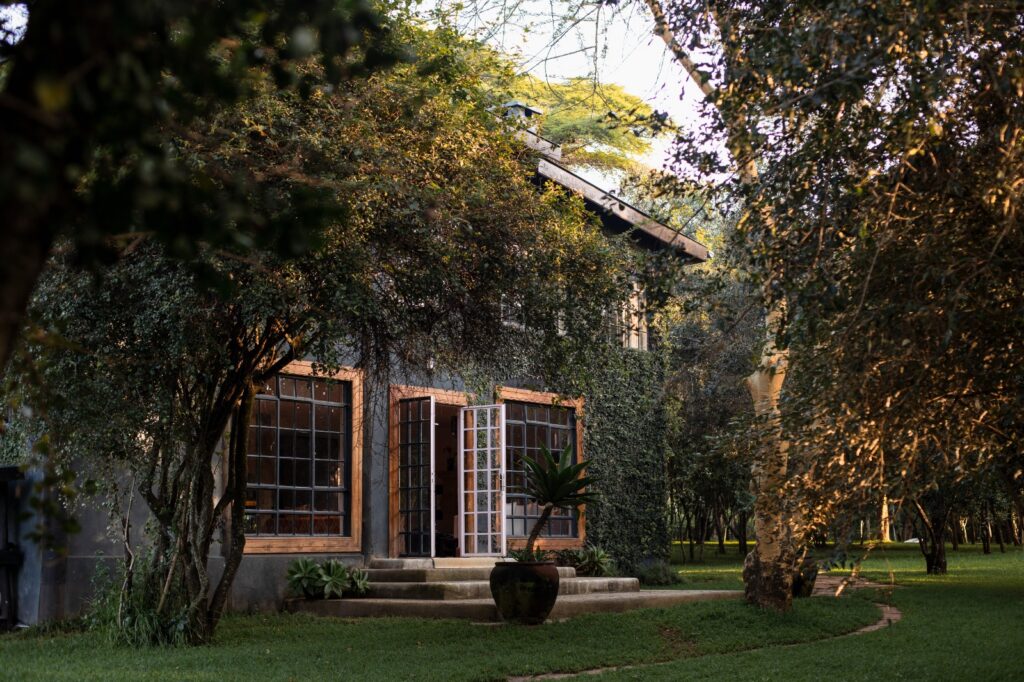
Sustainability has become a defining pillar of modern hospitality, and Hemingways has integrated environmental responsibility into daily operations across both properties.
Key initiatives include investment in solar energy, significant reduction in single-use plastics, improved water and energy management systems, and structured waste segregation programmes.
Mulikelela emphasises that sustainability cannot succeed without staff engagement. Team training and awareness have become essential components of implementing environmental initiatives effectively.
Looking ahead, the brand has set measurable sustainability targets, including reducing dependence on non-renewable energy and transitioning at least a quarter of its vehicle fleet to electric alternatives in the near future.
He acknowledges that sustainability is a continuous process rather than a fixed destination, requiring regular evaluation and adaptation.
Preserving Brand Identity Amid Expansion
Balancing growth while maintaining brand ethos remains one of the most delicate aspects of luxury hospitality management.
Mulikelela is particularly mindful of ensuring that expansion does not dilute the personalised service that defines the Hemingways brand. The organisation invests heavily in staff training, leadership development, and company culture before introducing new services or operational changes.

“If something does not enhance the guest experience, we are comfortable declining it,” he says, underscoring the brand’s commitment to quality over scale.
The Future of Hospitality in East Africa
Looking forward, Mulikelela believes the next five years will be shaped by increasingly conscious travellers. Guests are becoming more intentional about where they stay, evaluating brands based on sustainability practices, cultural authenticity, and emotional connection rather than price or convenience alone.
Technology will continue to transform operations, but Mulikelela predicts that authenticity and locally rooted hospitality brands will gain stronger traction across the region.
As East Africa’s tourism and business travel sectors continue to expand, properties that successfully blend operational excellence with cultural understanding are likely to lead the industry.
For Hemingways, that journey remains deliberately measured. By anchoring its growth strategy in Nairobi while expanding guest experience offerings through Eden Residence, the brand is positioning itself not just as a luxury accommodation provider, but as a reflection of how modern travellers seek to balance comfort, purpose, and connection.