



















Intermittent fasting (IF) is an eating pattern that involves alternating periods of fasting and eating. It’s become increasingly popular in recent years, and for good reason: research suggests that intermittent fasting may have a range of health benefits.
Here are some of the potential benefits of intermittent fasting:
Weight loss
Intermittent fasting can be an effective way to lose weight. By restricting the hours during which you eat, you naturally reduce your calorie intake, which can lead to weight loss. Additionally, some studies suggest that intermittent fasting may boost your metabolism and help your body burn fat more effectively.
Improved insulin sensitivity
Intermittent fasting may also help improve insulin sensitivity, which is important for overall health. Insulin is a hormone that helps regulate blood sugar levels, and when your body becomes resistant to insulin (as can happen with type 2 diabetes), it can lead to a range of health problems. By improving insulin sensitivity, intermittent fasting may help prevent or manage diabetes.
Reduced inflammation
Chronic inflammation has been linked to a range of health problems, including heart disease, cancer, and Alzheimer’s disease. Some studies suggest that intermittent fasting may help reduce inflammation in the body, which could help prevent or manage these conditions.
Improved heart health
Intermittent fasting may also be good for your heart. Studies suggest that it can lower blood pressure, reduce “bad” LDL cholesterol levels, and improve other markers of heart health.
Improved brain function
Some research has found that intermittent fasting may improve cognitive function and protect against neurological diseases like Alzheimer’s and Parkinson’s. More research is needed in this area, but the initial findings are promising.
Longevity
Finally, some animal studies suggest that intermittent fasting may increase lifespan. While it’s unclear whether the same is true for humans, the idea that intermittent fasting could help us live longer and healthier lives is certainly an intriguing one.
Of course, it’s worth noting that intermittent fasting isn’t for everyone. If you have a history of eating disorders, or if you’re pregnant or breastfeeding, you should avoid intermittent fasting. Additionally, if you have any medical conditions, you should talk to your doctor before starting an intermittent fasting regimen.
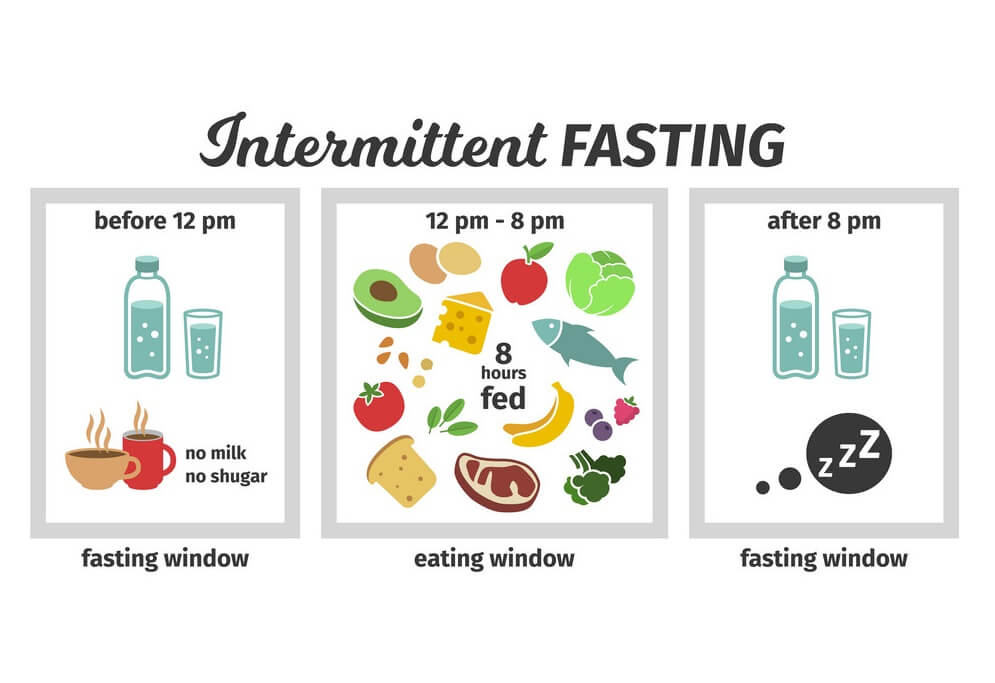
If you do decide to try intermittent fasting, there are a few different ways to approach it. One common method is the 16/8 method, where you fast for 16 hours each day and eat during an 8-hour window. Another popular method is the 5:2 diet, where you eat normally for 5 days of the week and restrict calories (to around 500-600) on the other 2 days.
If you’re interested in trying it, make sure to talk to your doctor first and start slowly. With some patience and persistence, intermittent fasting could help you improve your health and wellbeing in a variety of ways.