











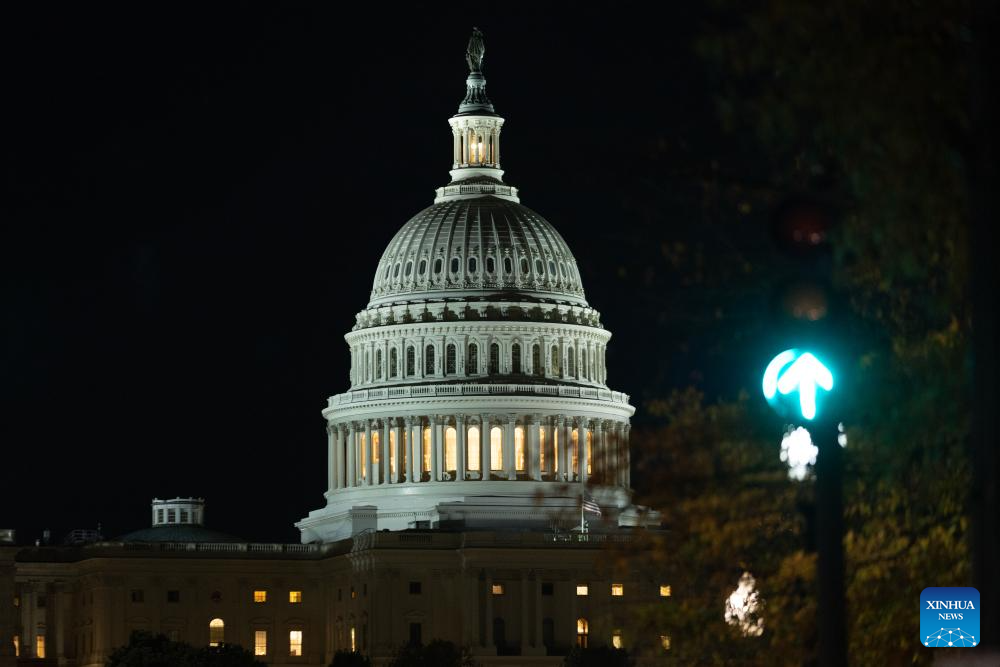

NAIROBI, Kenya, Dec 2 — U.S. lawmakers have for the umpteenth time warned that the decision by the Trump administration slash global health funding threaten decades of progress in the fight against HIV/AIDS as the world commemorated World AIDS Day on December 1.
Senator Jeanne Shaheen, Ranking Member of the Senate Foreign Relations Committee, questioned the administration’s decision, emphasizing the global and domestic consequences of cutting health funding abroad.
“Diseases have no borders. Cutting prevention dollars overseas will raise the death toll at home,” she warned.
“This World AIDS Day, we remember those tragically lost to this disease. We must renew our commitment to combating the spread of HIV.”
The lawmakers have equally sharply criticized the State Department’s recent announcement that it will no longer commemorate World AIDS Day with public messaging, ending a decades-long tradition of raising awareness on December 1.
According to The New York Times, the State Department instructed employees not to use federal funds for commemorative activities—a departure from the tradition dating back to 1993, when President Bill Clinton issued the first Presidential Proclamation for World AIDS Day.
House Foreign Affairs Committee Democrats also voiced concern over the administration’s broader approach to global health, describing the “neglect” as “harmful.”
“As if sweeping aid cuts and attacks on the global health system weren’t already enough, the Trump administration is showing again it does not care about helping the world’s most vulnerable or protecting global health,” the Committee said.
“This neglect is shameful and only harms American lives and interests.”
Nearly 41 million people worldwide are living with HIV, with over a million new infections each year.
Programs like PEPFAR, the U.S. President’s Emergency Plan for AIDS Relief, have been instrumental in saving millions of lives globally.
Lawmakers stressed the importance of sustaining and expanding such programs rather than undermining them.
Global health leaders also called for renewed commitment.
WHO Director-General Tedros Adhanom Ghebreyesus noted that HIV remains “one of the world’s deadliest health challenges — claiming over 44 million lives and counting.”
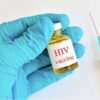
He expressed optimism about new tools that can change the trajectory of the HIV epidemic, highlighting Lenacapavir, a long-acting injectable shown to prevent nearly all HIV infections among those at risk.
“Now is the moment for global solidarity. I urge governments and partners to prioritize key and vulnerable populations and make these life-changing tools accessible to everyone who needs them, everywhere,” he said.
Annalena Baerbock, President of the 80th session of the United Nations General Assembly, echoed this sentiment:
“On this World AIDS Day, we stand with people living with HIV and remember the lives lost. Amid unprecedented challenges, UNAIDS continues to play a crucial role in the global AIDS response. Let us all recommit to global solidarity to sustain the hard-won progress and end AIDS by 2030.”