


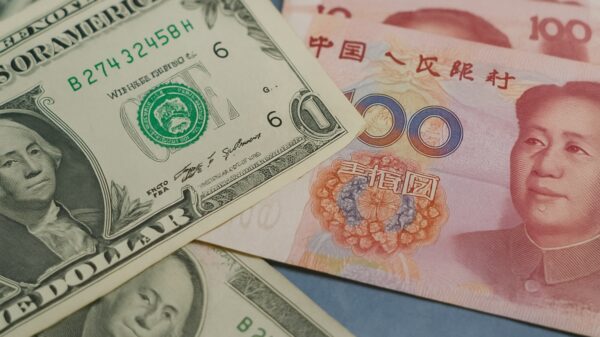



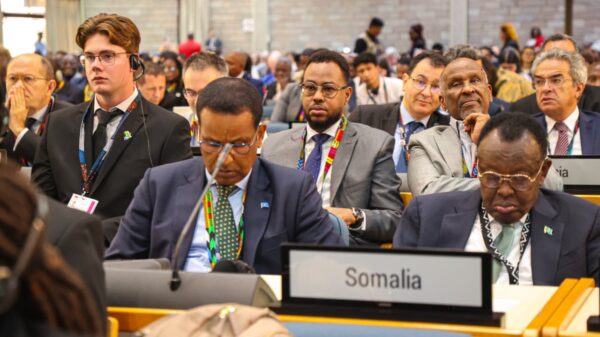















In October 2025, Kenya converted three dollar-denominated loans from China’s Export-Import Bank—tied to the five-billion-dollar Standard Gauge Railway—into Chinese yuan. The Cabinet Secretary for Finance said the decision would save the country about $215 million annually in interest payments.
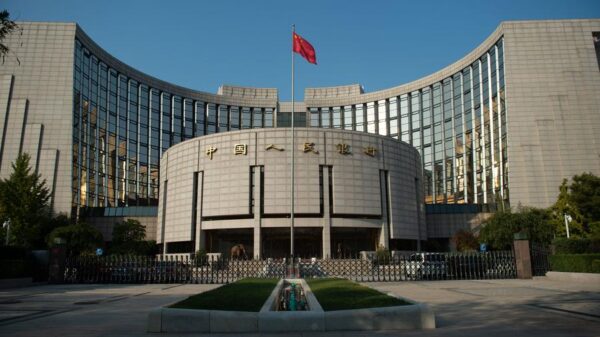
Meanwhile, in January 2025, Bank Indonesia and the People’s Bank of China renewed their bilateral currency swap arrangement for another five years, allowing exchanges of up to 400 billion yuan. Indonesia’s central bank said the agreement would support bilateral trade settlement in local currencies and strengthen financial stability.
Yet by mid-2025, Kenyan debt analysts noted that about 68 per cent of Kenya’s external debt remained denominated in US dollars. This meant the country stayed heavily exposed to currency and interest-rate volatility, even after converting the railway loans.
Why These Deals Create Structural Risk
These developments were widely presented as signs of pragmatic financial management by all parties involved—China, Kenya and Indonesia alike. Kenya’s government argued that converting its railway loans into yuan would ease pressure on the budget. Indonesia’s central bank said the expanded swap line would deepen monetary cooperation with China and strengthen liquidity buffers. At face value, these arguments appeared reasonable, especially for governments seeking fast relief from external financing stress.
The logic, however, weakens once national balance sheets are examined more closely. Kenya continues to earn the bulk of its foreign exchange in dollars and shillings, while holding only a limited stock of liquid yuan assets. This means the country has shifted the currency of its repayments without shifting the currency of its earnings. Any shock that cuts export revenues or tightens access to yuan liquidity would immediately place the government under strain, forcing it to draw down dollar reserves to meet obligations now denominated in a less liquid currency.
Indonesia faces a different version of the same strategic dilemma. The enlarged swap line offers a larger pool of yuan liquidity, but it also deepens operational reliance on a currency that is not fully convertible and remains subject to China’s domestic policy decisions. While such a facility may help manage short-term volatility, it cannot replace the long-term stability that comes from diversified reserves and broad-based creditor engagement. In effect, the tool offers temporary relief while embedding structural dependence.
A deeper risk lies beneath these technical concerns. Both countries are gradually moving towards a financing environment in which a single major creditor increasingly shapes the terms of access to liquidity. China already holds a dominant position as a bilateral lender across much of the developing world. Once debts are denominated in renminbi and supported by Chinese swap lines, borrowers’ freedom to negotiate on purely commercial terms narrows. Debt restructuring, project renegotiation and even public procurement decisions can easily become entwined with wider political considerations.
This concentration of exposure is often underestimated. It is easy to focus on immediate interest-rate savings while overlooking the cumulative strategic weight of these arrangements. Over time, dependence shifts in character. It is no longer only about the size of the debt; it becomes about the currency in which it is held, the channels through which liquidity is accessed, and the political conditions that shape those channels.
These currency conversions and swap agreements may offer quick relief to governments under fiscal strain. They lower headline interest costs and create the impression of greater financing flexibility. The deeper picture, however, is far less reassuring. The decisions introduce new currency mismatches, intensify creditor concentration, and bind national balance sheets more closely to a financial system that lacks transparency and full convertibility.
If policymakers are to use renminbi instruments responsibly, they must build deeper yuan reserves, ensure full transparency in swap-line terms, and avoid allowing China to become the sole anchor of their external financing. Without these safeguards, the recent actions by Kenya and Indonesia risk remaining short-term fixes rather than sustainable financial strategies.
The central lesson is straightforward: shifting into the renminbi does not eliminate risk—it merely reshapes it, and in some cases amplifies it. Governments under pressure often take the path of immediate relief. The harder task is recognising—and managing—the long-term costs that accompany it.
Rishan Sen, is a researcher focused on foreign policy and its strategic footprint across Asia.